
Understanding Different Types of Shower Bases
What is a Shower Base?
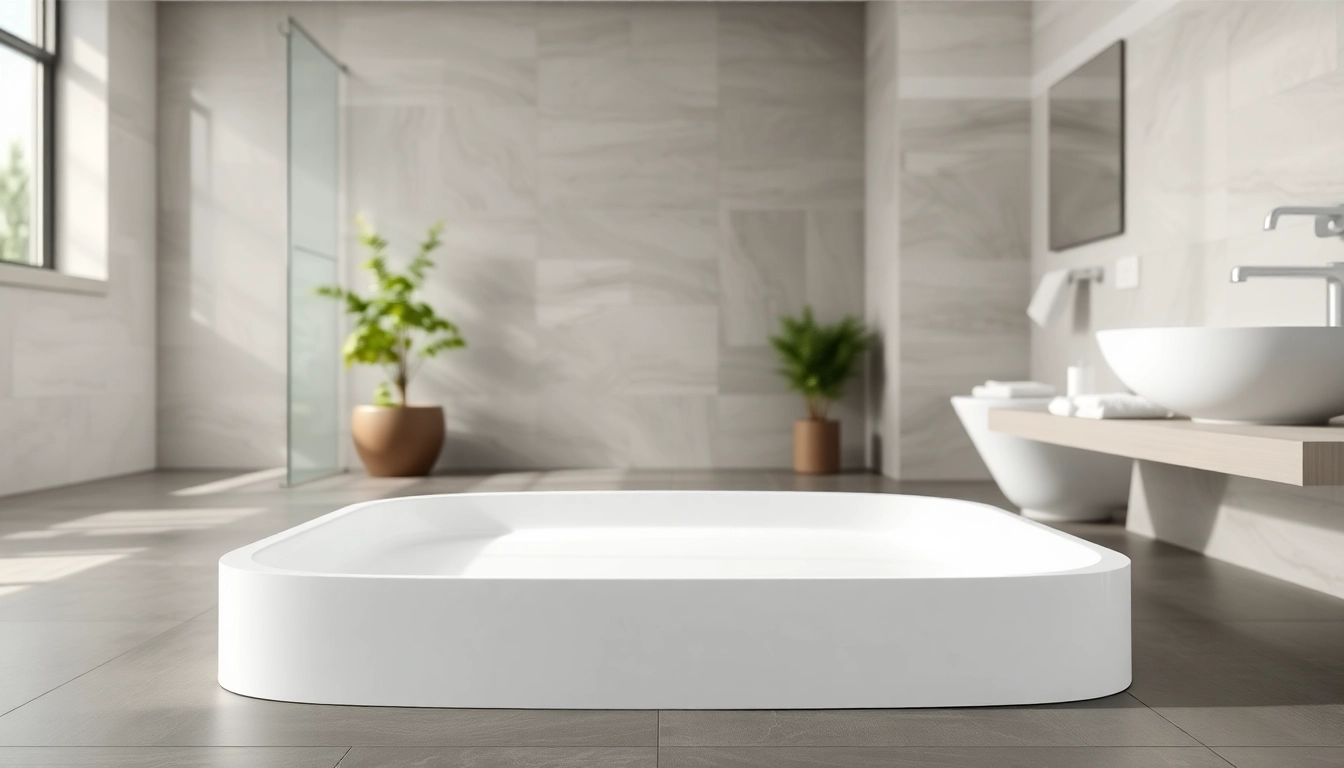
A shower base is a crucial element of any shower installation. It serves as the bottom component designed to collect and drain water while providing a stable foundation for the entire shower unit. Installed directly on the floor, a shower base offers an efficient solution for water containment, preventing leaks to the surrounding areas. Available in various shapes and sizes, shower bases are tailored to fit diverse bathroom designs and personal preferences.
Common Materials Used for Shower Bases
Shower bases come in a range of materials, each with its unique features and properties. Here are the most common materials:
- Acrylic: Lightweight and easy to install, acrylic shower bases are known for their smooth, easy-to-clean surfaces. They are resistant to scratches and come in various colors.
- Fiberglass: Durable and affordable, fiberglass shower bases are popular in many homes. They are also lightweight but may require more care to maintain their appearance over time.
- Tile: Offering endless design possibilities, tile bases can be customized with different colors, shapes, and textures. However, they can be more challenging to install and maintain due to grout lines.
- Stone or Quartz: These materials provide a luxurious feel and exceptional durability. However, they tend to be heavier and require more specialized installation techniques.
- Steel or Cast Iron: Highly durable and long-lasting, metal bases are resistant to damage but can be heavy and require proper support during installation.
Popular Styles of Shower Bases
Shower bases are available in various styles to suit different bathroom configurations. Some popular styles include:
- Rectangular: Commonly used in larger bathrooms, rectangular bases provide ample space for comfortable showering.
- Square: Perfect for compact bathrooms, square shower bases maximize space without sacrificing style.
- Neo-Angle: An excellent option for corner installations, neo-angle bases fit snugly into small spaces while offering a modern touch.
- Curved or Round: For an unconventional design choice, curved shower bases feature a circular shape, providing a unique aesthetic.
Benefits of Investing in a Quality Shower Base
Durability and Longevity of Shower Bases
Investing in a quality shower base pays off in the long run. High-quality materials ensure that your shower base withstands daily use and resists wear and tear. With proper care, a good shower base can last for many years, significantly reducing the need for replacements.
How a Good Shower Base Enhances Your Bathroom
The aesthetics of your bathroom can be significantly elevated with a beautifully designed shower base. A stylish shower base can serve as a focal point in your bathroom, contributing to the overall ambiance and design. Options like tiled or stone bases can enhance the impression of luxury and care in your space.
Cost-Effectiveness of High-Quality Shower Bases
While higher quality shower bases may come with a higher price tag, they often prove to be more cost-effective over time. Reduced replacements, lower maintenance costs, and the prevention of water damage to your home can make quality shower bases a smart financial decision.
Installation Tips for Shower Bases
Preparing the Area for Installation
Before installing a shower base, proper preparation is key. Start by ensuring that the area is clean and dry. Remove any old flooring, verify that the subfloor is level, and check for any plumbing issues. Ensuring a solid foundation will help prevent future issues and guarantees a successful installation.
Step-by-Step Installation Guide
- Place the shower base in the desired location and ensure it fits properly.
- Mark the drain location on the floor and cut an opening if necessary.
- Install the drain assembly according to the manufacturer’s instructions.
- Apply adhesive or mortar to the subfloor as specified for your specific shower base material.
- Carefully place the shower base in position and press it down to ensure a solid fit.
- Connect the plumbing to the drain and ensure all seals are watertight.
- Allow the adhesive to set according to the manufacturer’s recommendations before using the shower.
Common Mistakes to Avoid When Installing Shower Bases
To achieve a successful installation, avoid these common pitfalls:
- Neglecting the Subfloor: Ensure the subfloor is level and in good condition before installation.
- Skipping the Drain Assembly: Properly install the drainage system to prevent leaks.
- Overly Tight Sealing: Be cautious not to overtighten fittings, as this may damage the shower base.
- Ignoring Manufacturer Instructions: Always follow specific installation guidelines provided by the manufacturer for the best results.
Maintenance and Care for Your Shower Base
Daily Cleaning Routines for Shower Bases
Establishing a daily cleaning routine helps prolong the life of your shower base. Use a soft sponge or cloth and a mild cleanser to wipe down the surface after each use. This prevents soap scum buildup and keeps the base looking fresh.
Dealing with Stains and Scratches
For tougher stains, consider using a specialized cleaner for your shower base material. For minor scratches, a gentle buffing with a fine abrasive pad can restore surfaces. Regular maintenance will keep your shower looking its best and can help avoid deeper damage.
Long-Term Care Tips for Shower Bases
To ensure the longevity of your shower base, periodically check for any signs of damage, such as cracks or loose fittings. Addressing issues early can prevent larger repairs down the line. Additionally, resealing grout lines or caulking may be necessary to maintain a watertight seal.
Frequently Asked Questions about Shower Bases
1. How do I choose the right size shower base?
Measure your space carefully and consider the layout of your bathroom and plumbing to choose a base that fits snugly without sacrificing comfort.
2. Can I install a shower base on my own?
Yes, if you have basic plumbing and DIY skills, you can install a shower base yourself. However, consulting a professional is recommended for complex setups.
3. What is the best material for a shower base?
The best material depends on your needs. Acrylic is great for easy maintenance, while stone offers durability and aesthetics, making it a luxurious choice.
4. How often should I clean my shower base?
It is advisable to clean your shower base daily to prevent soap scum buildup. Deep cleaning every few weeks can also help maintain its appearance.
5. Are shower bases easy to replace?
While replacing a shower base can be straightforward, it often requires some plumbing work. Consider hiring a professional if you’re unsure about the process.