
Understanding the Concept of Contemporary Home Expansion
Definition and Importance
Contemporary Home Expansion refers to the process of enlarging an existing residential structure through modern architectural practices and design principles. This approach is not just about adding square footage; it embraces style, functionality, and sustainability, reflecting the evolving needs of homeowners while preserving the unique character of their dwellings. The salient importance of contemporary expansions lies in their ability to enhance livable spaces in a manner that is aesthetic and sophisticated, providing comprehensive solutions that merge seamlessly with the existing architecture.
Historical Context of Home Expansions
The concept of home expansion has undergone significant transformations over the years. Originating from practical needs, early domestic extensions were primarily focused on functionality. However, as architectural styles evolved and the concept of “home” became intertwined with personal expression, expansion projects started reflecting artistic trends. Today’s contemporary expansions integrate minimalism, openness, and integration with nature, showcasing a clear departure from past imitative strategies.
Key Trends in Contemporary Design
Today’s home expansions feature several key design trends shaped by lifestyle changes, technology, and a growing priority for sustainability. Prominent among these trends are:
- Open Floor Plans: These layouts promote fluid movement between spaces, ideal for modern living that emphasizes togetherness.
- Eco-Friendly Practices: Sustainable materials, energy-efficient systems, and green roofs are becoming standard.
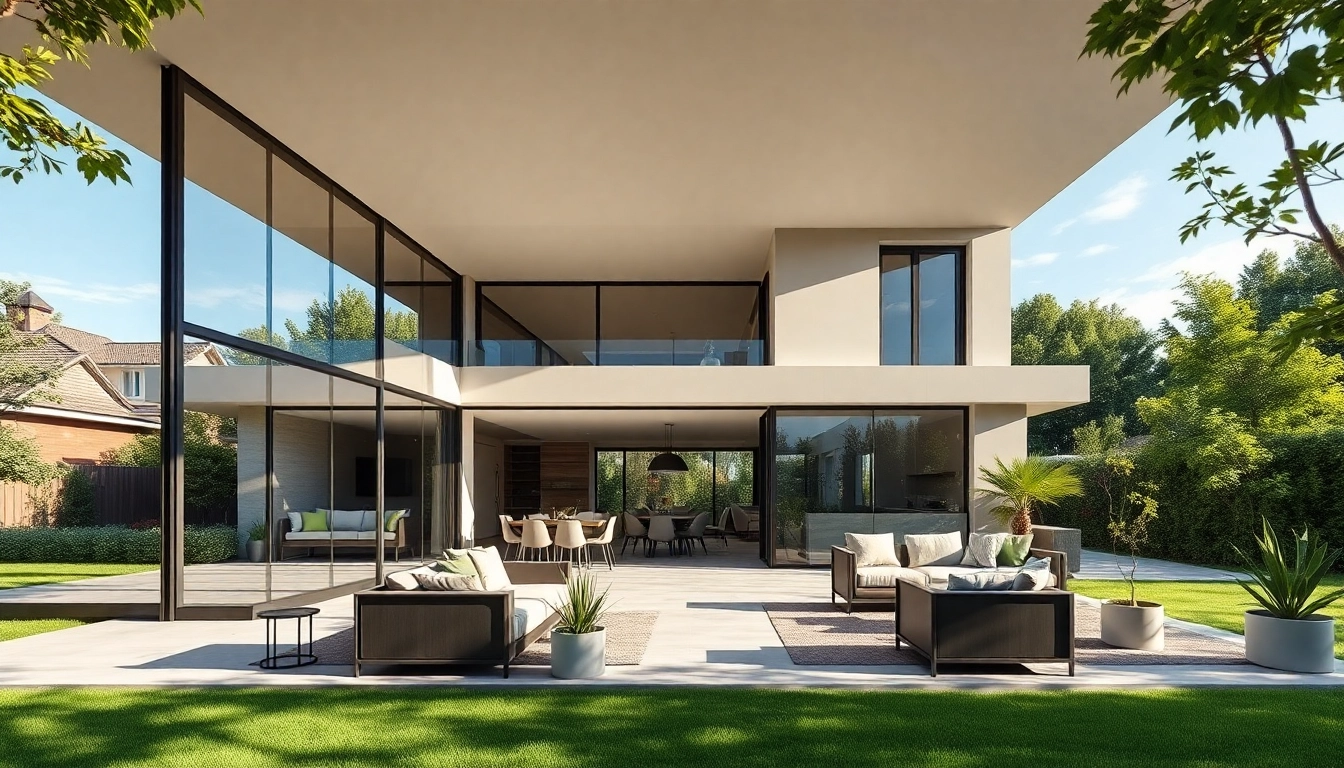
- Large Windows: Maximizing natural light is a fundamental characteristic of contemporary design.
- Minimalistic Aesthetics: The use of clean lines and functional furniture complements the overall simplicity of spaces.
Planning Your Contemporary Home Expansion
Assessing Your Current Space
The planning phase is crucial in determining the potential of your current home. Begin by evaluating the layout, functional spaces, and architectural features that can influence the expansion’s design. Consider how each room flows into the next and identify any potential areas for enhancement. Tools like floor plans and 3D modeling can help visualize possible changes and fix any existing spatial constraints.
Setting a Realistic Budget
Establishing a budget is a vital step in the planning process. Start by analyzing not just the immediate costs of construction but also the long-term expenses associated with maintenance, utility expenses, and aesthetic upgrades to finalize an appropriate budget range. It is advisable to include a contingency reserve of 10-15% of the projected budget to accommodate unforeseen costs.
Choosing the Right Design Approach
Deciding on a design approach can influence the success of your home expansion significantly. Options include:
- Architectural Services: Engaging an architect can provide personalized solutions and innovative designs.
- Pre-Designed Plans: For a more budget-friendly option, consider utilizing pre-designed home expansion plans that still align with contemporary aesthetics.
- DIY Projects: If skills allow, smaller expansions can be completed by the homeowners themselves, saving labor costs.
Design Elements in Contemporary Home Expansion
Architectural Styles and Features
The architectural style you choose for your expansion sets the tone for the entire home. In contemporary design, popular architectural features include:
- Flat Roofs: This style offers a sleek modern appearance.
- Wood and Steel Elements: Combining traditional and modern materials can create an engaging contrast.
- Glass Walls: They blur indoor-outdoor boundaries while allowing physical connection to the environment.
Sustainable Materials for Eco-Friendly Expansions
Adopting sustainable materials not only reduces the environmental impact but also enhances energy efficiency. Key sustainable materials to consider include:
- Recycled Materials: Sourcing reclaimed wood or brick minimizes waste.
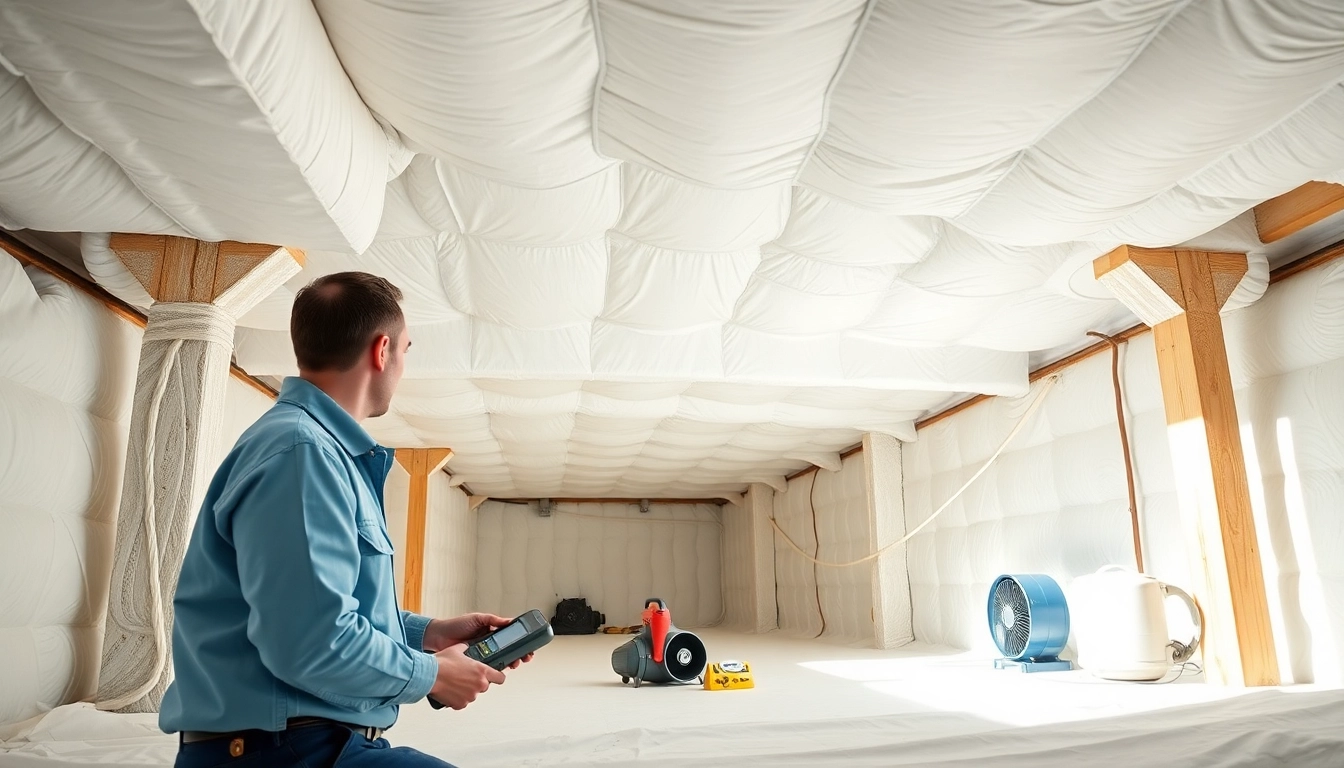
- Insulation: Using eco-friendly insulation materials reduces energy consumption.
- Low-VOC Paints: These paints improve indoor air quality, beneficial in living spaces.
Maximizing Natural Light and Space
Natural light enhances the ambiance of a space. Consider incorporating design elements such as skylights, large windows, and open-plan layouts to maximize illumination and create an airy atmosphere. Proper orientation of the expansion can significantly impact the quality of light in each space throughout the day.
Implementation Strategies for Homeowners
Working with Architects and Contractors
Choosing the right professionals can facilitate a smooth expansion process. Collaborate closely with your architect to translate your vision into a feasible plan, ensuring all design requirements align with local codes. Contractors should also be vetted for their experience with contemporary projects and their capacity to deliver quality work.
Navigating Permits and Regulations
Before commencing work, familiarize yourself with local zoning laws and building codes that may affect your expansion. Contacting your local building department is a good starting point, as securing the necessary permits can help avoid legal complications and ensure your project complies with local regulations.
Timeline for Completion
The timeline for a contemporary home expansion can vary significantly based on several factors, including project size, weather conditions, and resource availability. Establishing a realistic timeline and closely monitoring progress can help in managing expectations and ultimately lead to a successful completion.
Measuring Success and Enhancing Value
Evaluating the Impact on Property Value
Assess the value added to your property following the completion of your expansion. Engage with real estate professionals to understand how your enhancements align with market trends. A well-executed expansion can significantly appreciate the property’s value, particularly if it meets the demands and expectations of potential buyers.
Gathering Feedback Post-Expansion
After completing your contemporary home expansion, gathering feedback from family and friends can provide critical insights into the functionality and aesthetics of the new space. Their observations can be valuable in refining areas for improvement or adjustment, enhancing overall satisfaction.
Future-Proofing Your Space
Consider your future needs when designing your expansion. Creating adaptable spaces that can evolve with changing family dynamics or lifestyle needs is key. Incorporating flex spaces or accommodating additional technology can help ensure your home remains relevant for years to come.
FAQs about Contemporary Home Expansion
What is a contemporary home expansion?
A contemporary home expansion involves enlarging living spaces using modern design principles, focusing on style, functionality, and sustainability.
Can I DIY my home expansion?
While smaller projects can be DIY, larger expansions typically require professional expertise to ensure safety and compliance with local regulations.
How do I set a budget for my expansion?
Begin by researching material and labor costs, then add a contingency fund to accommodate unforeseen expenses, ensuring financial readiness.
What materials are best for eco-friendly expansions?
Consider recycled materials, low-VOC paints, and energy-efficient appliances to enhance sustainability while expanding your home.
How can I increase my property value with an expansion?
Ensure your expansion aligns with aesthetic trends and local market needs, focusing on quality craftsmanship, which can significantly increase your property value.
To explore an inspiring example of a Contemporary Home Expansion, consider visiting the provided link.