
Myrobalan dye has become a treasured ingredient among fiber artists who work with natural color and plant-based processes. Known for its rich tannin content, versatility, and warm golden tones, Myrobalan dye offers both beauty and functionality. At Natural Dye, creators value Myrobalan dye for its ability to enhance colorfastness, enrich layered pigments, and support sustainable craftsmanship. Whether you specialize in hand-spun yarn, woven textiles, eco-prints, or slow-fashion garments, Myrobalan dye opens the door to vibrant, long-lasting botanical color.
Why Fiber Artists Love Working With Myrobalan Dye
A Reliable Source of Natural Tannins
Myrobalan dye stands out for its exceptionally high tannin content, making it one of the most powerful natural options for pretreating cellulose fibers. Cotton, linen, bamboo, and hemp often struggle to absorb natural dyes fully, but the tannins in Myrobalan dye solve this challenge. By preparing fibers with Myrobalan dye, artists achieve deeper shades, stronger saturation, and improved uniformity across their work.
A Beautiful Golden Pigment
Beyond its tannin strength, Myrobalan dye produces a warm yellow pigment that ranges from soft, buttery tones to rich golden hues. This color is beloved among fiber artists for its timeless, earthy character. Whether used on its own or as a base for layering, Myrobalan dye provides a foundation of warmth and vibrancy.
Creative Uses of Myrobalan Dye in Fiber Art
Perfect for Yarn Dyeing
Hand-spinners and yarn dyers value Myrobalan dye for the way it transforms plant-based yarns. The tannins help the fibers open up, allowing subsequent dyes to penetrate more evenly. When used alone, Myrobalan dye creates soothing golden gradients; when layered with indigo, it produces lush greens that appeal to nature-inspired color palettes.
Ideal for Woven Textiles
Weavers who create cloth from cellulose fibers often struggle with colors that fade or wash out. Myrobalan dye helps overcome this issue naturally. By pretreating warp and weft threads with Myrobalan dye, artists ensure that their woven textiles maintain depth and brightness through handling, finishing, and wear.
Enhancing Eco-Prints and Botanical Prints
Botanical printers rely on Myrobalan dye to produce crisp, detailed impressions. The tannins in Myrobalan dye act as a natural binder, helping pigments in leaves and flowers adhere sharply to fabric. Its golden tint also adds a subtle background glow that enriches the organic imagery of eco-prints.
Techniques for Using Myrobalan Dye
Preparing Cellulose Fibers
Scouring is the essential first step, but treating fibers with Myrobalan dye is where the transformation truly begins. A warm Myrobalan dye bath helps fibers accept color evenly and prevents patchiness. Many fiber artists use this step before every major dye project because it dramatically improves results.
Adjusting Shade and Strength
The color from Myrobalan dye depends on concentration, water temperature, and soak duration. A light bath produces delicate sunshine tones, while a stronger bath results in deep golden hues. Fiber artists appreciate how Myrobalan dye allows such flexible control without harsh chemicals.
Layering for Complex Botanical Palettes
One of the most exciting uses of Myrobalan dye is in layered dyeing. When followed by indigo, Myrobalan dye produces greens ranging from sage to forest. When paired with madder, it yields warm browns, coppers, and rust tones. This adaptability is why Myrobalan dye is a foundational element in multi-step plant-dyeing processes.
Using Iron for Earthy Shades
Iron-modified Myrobalan dye creates mossy greens, olive tones, and antique golden browns. These muted colors are especially popular among fiber artists who prefer natural, organic palettes. A simple iron dip shifts the golden hue of Myrobalan dye into beautifully aged tones.
Why Myrobalan Dye Supports Sustainable Craft
Plant-Based and Biodegradable
Myrobalan dye is derived from the fruit of the Terminalia chebula tree, making it a renewable, eco-friendly choice. It breaks down naturally, contains no harmful additives, and supports environmentally responsible dyeing practices—ideal for fiber artists committed to ethical craftsmanship.
Reducing the Need for Synthetic Mordants
Because of its tannin strength, Myrobalan dye acts as a natural mordant on its own. Fiber artists who avoid alum or chemical alternatives use Myrobalan dye to achieve excellent colorfastness without compromising their ecological values.
Perfect for Slow-Fashion and Handmade Textiles
In a world moving toward conscious consumption, Myrobalan dye aligns perfectly with slow-fashion ideals. Handmade clothing, art textiles, and naturally dyed accessories benefit from the rich, sustainable qualities Myrobalan dye brings to every project.
Choosing High-Quality Myrobalan Dye
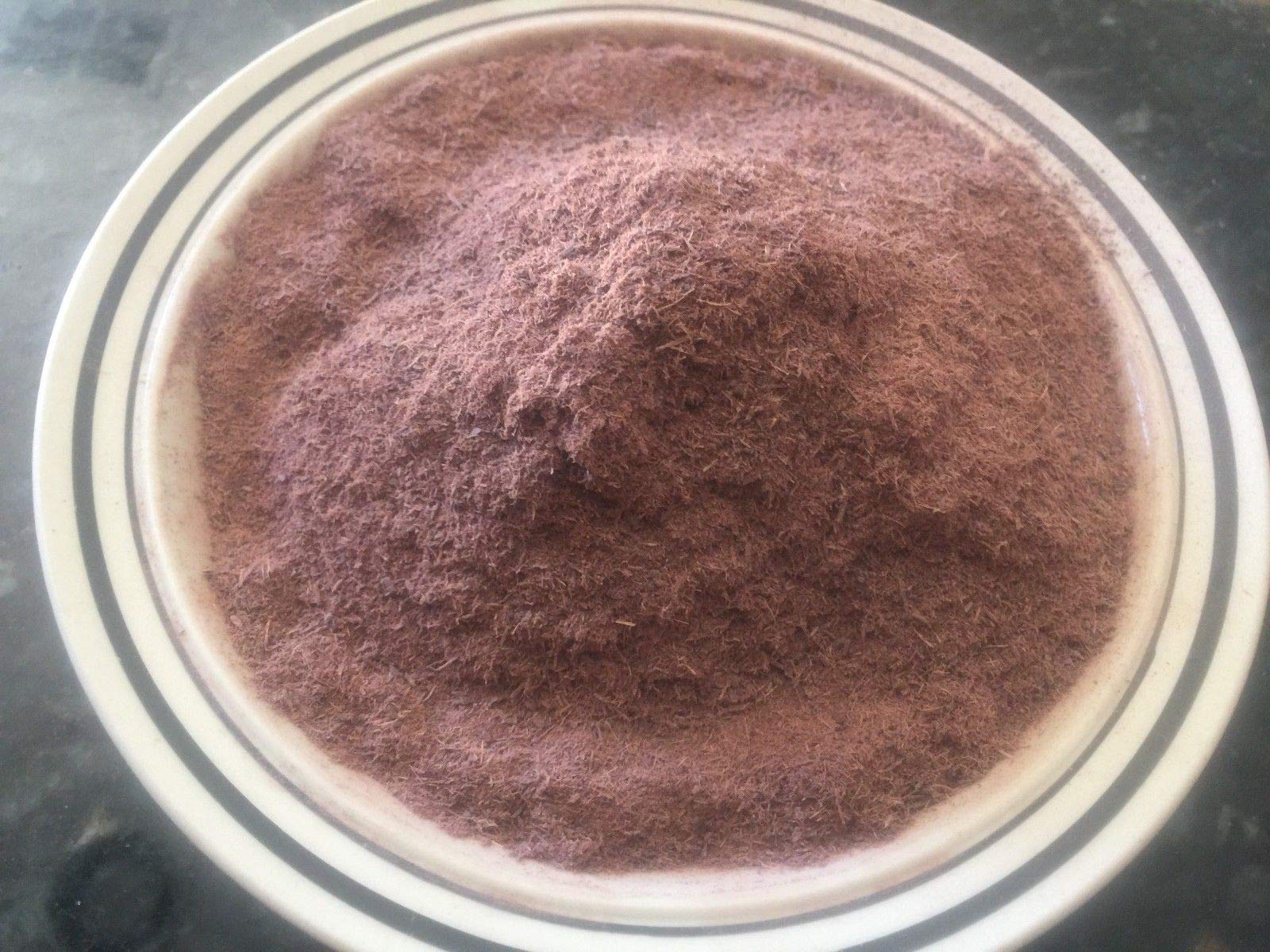
Fiber artists seeking consistent, professional results rely on high-quality Myrobalan dye. The best Myrobalan dye is finely powdered, easy to dissolve, and rich in natural tannins. Premium quality ensures vibrant pigmentation, longer-lasting colors, and smoother application across a variety of fiber types. For artists working with natural color, choosing superior Myrobalan dye makes every dye bath more rewarding.
Conclusion
Myrobalan dye is one of the most valuable natural tools available to fiber artists today. With its rich tannins, warm golden pigment, and ability to enhance layered colors, Myrobalan dye supports creativity across yarn dyeing, weaving, eco-printing, and slow-fashion design. By choosing plant-derived Myrobalan dye, fiber artists embrace both tradition and sustainability, creating beautiful textiles that honor the natural world while showcasing their artistic vision.