
The Fundamentals of Structural Steel Welding
Structural steel welding is a crucial process in the construction and metal fabrication industries, providing the backbone for buildings, bridges, and various infrastructure projects. This technical field combines innovative techniques and materials, ensuring the strength and longevity of structural components. By understanding the principles and practices of structural steel welding, engineers and fabricators can deliver high-quality, reliable constructs that meet safety and performance standards. In this article, we will delve deep into the essential aspects of structural steel welding, including techniques, tools, and best practices.
What is Structural Steel Welding?
Structural steel welding refers to the process of joining metal parts, primarily steel, through various welding techniques. This method creates robust and durable joints that are essential for the stability of structures. The practice allows for the manufacturing and assembly of various components such as beams, columns, and trusses, forming the framework of buildings and bridges.
Welding can be defined by its different types, each serving specific roles in structural integrity. The most common methods include Shielded Metal Arc Welding (SMAW), Gas Metal Arc Welding (GMAW), and Flux-Cored Arc Welding (FCAW). Each technique offers unique advantages and applications based on project requirements and environmental conditions.
Key Techniques in Structural Steel Welding
In the realm of structural steel welding, various methods are employed to achieve strong welds:
- Shielded Metal Arc Welding (SMAW): Also known as stick welding, this manual process is renowned for its versatility and effectiveness in various positions and conditions.
- Gas Metal Arc Welding (GMAW): Commonly known as MIG welding, this method allows for faster welding speeds and cleaner welds, making it an ideal choice for thick steel welds.
- Flux-Cored Arc Welding (FCAW): This technique combines the benefits of GMAW and SMAW, providing high deposition rates and efficiency, particularly for outdoor applications.
- TIG Welding (GTAW): While less common in structural applications, TIG welding offers exceptional control and is ideal for thinner materials and complex welds.
Essential Tools and Equipment
Effective structural steel welding demands an array of specialized tools and equipment for optimal results:
- Welding Machine: The heart of any welding operation, machines vary by welding method (e.g., MIG, TIG) and should match the specific requirements of the project.
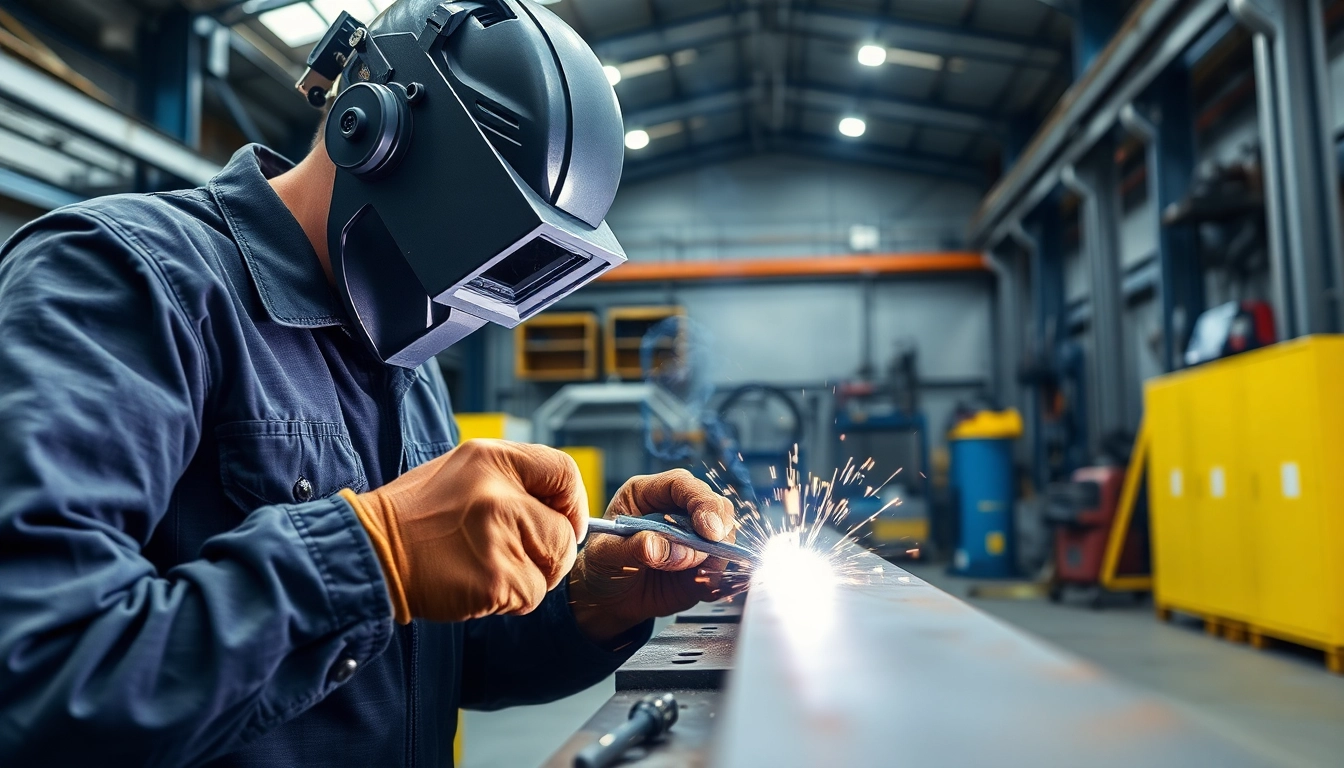
- Protective Gear: Welders must wear appropriate safety equipment, including helmets, gloves, and protective clothing, to safeguard against weld splatter and harmful radiation.
- Welding Consumables: This includes electrodes or filler metals, shielding gases, and flux which are essential for different welding techniques.
- Measuring Tools: Accurate measuring instruments ensure proper alignments and specifications, including tape measures and squares.
Advantages of Structural Steel Welding
Structural steel welding presents numerous advantages, making it a preferred choice for many construction projects:
Strength and Durability
The primary benefit of structural steel welding is the strength and durability it imparts to constructed items. Welded joints, when performed correctly, can withstand significant stresses from loads and environmental conditions. A solid weld creates an unbreakable bond that enhances the longevity of structures, ensuring they can endure for decades or more.
Cost-Effectiveness in Projects
Welding can result in more economical construction by significantly reducing material waste compared to traditional joining methods such as bolting or riveting. Furthermore, welded joints often require less maintenance over time, leading to lower lifecycle costs. The efficiency of certain welding techniques allows projects to progress more rapidly, reducing labor costs and project timelines.
Versatility Across Applications
Structural steel welding can be adapted for diverse applications, ranging from heavy industrial structures to intricate architectural designs. With the capability to weld various thicknesses and forms of steel, it allows fabricators to tailor solutions for specific project needs. This versatility is crucial in an industry where customization is frequently required.
Common Challenges in Structural Steel Welding
While structural steel welding offers many benefits, it is not without its challenges:
Identifying and Avoiding Defects
Weld defects can compromise the integrity of a weld. Common issues include porosity, slag inclusions, and incomplete fusion. To mitigate these problems, welders must adhere to strict protocols and standards, ensuring meticulous preparation and execution of welding tasks. Regular inspections and testing (e.g., ultrasonic and radiographic tests) can identify potential defects before they become critical.
Managing Heat and Warping Issues
Heat input during welding can lead to warping, distortion, or shrinkage of the structural steel components. Effective techniques such as preheating, controlling welding speed, and strategic joint designs can manage these issues. Additionally, post-weld heat treatments may be necessary to alleviate residual stresses.
Ensuring Safety and Compliance
Welding operations carry inherent risks, including exposure to fumes, radiation, and the potential for fires. Thus, maintaining a safety-first culture is vital. Compliance with local regulatory standards, such as those set by OSHA and AWS, is crucial for ensuring worker safety and meeting project requirements.
Best Practices for Effective Structural Steel Welding
To ensure successful structural steel welding, certain best practices should be adopted throughout the process:
Preparation and Pre-Welding Procedures
Proper preparation is essential for achieving high-quality welds. This involves thoroughly cleaning the materials, removing paint, rust, and contaminants, and ensuring proper fit-up of components. Furthermore, pre-welding procedures such as verifying alignment and using jigs can enhance the accuracy of welds.
Post-Welding Inspection Techniques
After welding, rigorous inspection techniques are necessary to evaluate the quality of welds. Visual inspections are crucial, alongside more advanced non-destructive testing methods such as magnetic particle and dye penetrant testing. Establishing a robust quality assurance process ensures that welds meet design specifications and industry standards.
Maintenance of Welding Equipment
Routine maintenance of welding equipment is essential for reliable performance. This includes cleaning welding tips, changing filters on gas supplies, inspecting cables for wear, and verifying that all machine settings are correct. Well-maintained equipment minimizes downtime and enhances safety during operations.
Career Opportunities and Future Trends in Structural Steel Welding
The structural steel welding field has a promising outlook, driven by ongoing infrastructure projects and advancements in technology:
Job Roles of Structural Welders
Structural welders play key roles in construction, working on various projects ranging from buildings to bridges and industrial setups. Job opportunities include roles such as welding inspectors, fabrication technicians, and welding educators, each contributing to the weld quality and structural integrity.
Certification and Training Requirements
Certification is essential for welders to demonstrate their skills and knowledge. Appropriate training programs can lead to certifications such as AWS Certified Welder or various specialized accreditations depending on the desired welding processes. Continuous education helps welders stay updated with industry trends and standards.
The Future of Structural Steel Welding Technologies
Emerging technologies, including robotic welding and automation, are reshaping the structural steel welding landscape. Innovations in software for structural design and modeling are further enhancing precision and efficiency in welding operations. As technology continues to advance, welders will need to adapt and enhance their skills to remain competitive in the evolving market.
Frequently Asked Questions (FAQs)
What type of welding is used for structural steel?
The most popular types of welding for structural steel include Shielded Metal Arc Welding (SMAW), Gas Metal Arc Welding (GMAW), and Flux-Cored Arc Welding (FCAW). Each method has unique advantages suited for various applications.
What does a structural steel welder do?
A structural steel welder assembles and joins metal frameworks for buildings and infrastructure, ensuring connections like beams and columns are secure. They also cut and position materials as needed before welding.
Is structural welding a good career?
Yes, structural welding offers strong career prospects due to increasing infrastructure demands and a skilled labor shortage. Welders can expect job security and opportunities for advancement in the field.
Which is better, SMAW or GMAW?
Both SMAW and GMAW have their strengths. SMAW is highly versatile and can be used in various conditions, while GMAW is faster and produces cleaner welds, particularly for thicker materials.
How can weld quality be ensured?
Ensuring weld quality involves meticulous preparation, following welding standards, conducting thorough inspections, and utilizing non-destructive testing methods to identify and rectify defects.