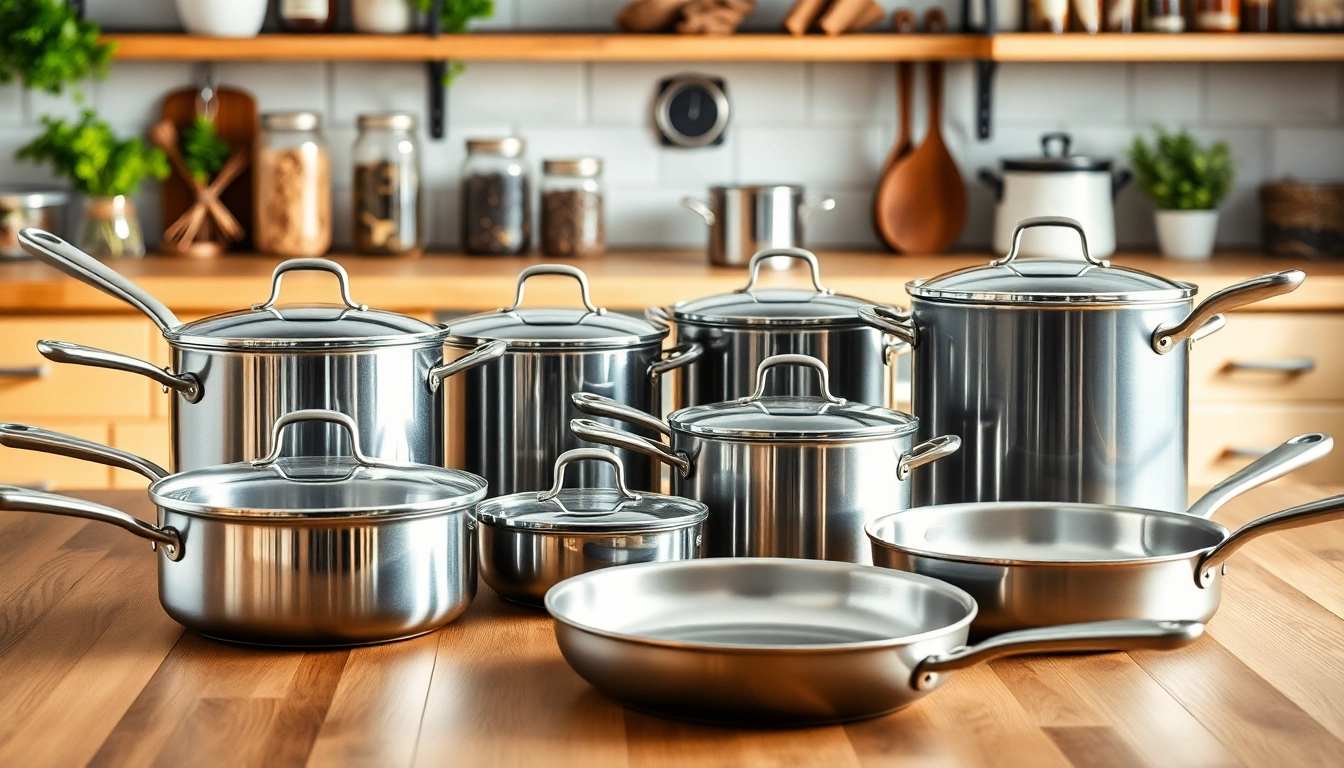
The Importance of Cookware in Your Kitchen
Your kitchen is more than just a space to prepare meals; it's where culinary creations come to life. A key element of any kitchen is cookware, which plays a significant role in your cooking experience. The right cookware not only enhances the quality of the food you create but also affects the efficiency and enjoyment of the cooking process. Understanding the importance of cookware is essential for both novice cooks and seasoned chefs alike.
Understanding Different Types of Cookware
Cookware comes in various types, each suited for specific cooking tasks. Familiarizing yourself with these types will aid in selecting the best options for your kitchen:
- Pots: Ideal for boiling, simmering, and cooking grains. Their high sides make them suitable for various cooking techniques.
- Fry Pans: Used for frying, searing, and browning, with a flat bottom that promotes even cooking.
- Skillets: Versatile tools excellent for sautéing, frying, and scrambling foods, often featuring raised edges.
- Stockpots: Large pot perfect for making soups, stews, and stocks, accommodating bigger batches.
- Roasting Pans: Designed for oven use, these pans are crucial for roasting meats and vegetables.
How Cookware Influences Your Cooking
The impact of cookware on cooking outcomes is profound. The type of cookware dictates heat conductivity, cooking method effectiveness, and even the flavors of the dishes. For instance, stainless steel cookware allows for a more precise temperature control during cooking, enhancing your ability to create restaurant-quality meals. Non-stick cookware can minimize the need for oils, thus promoting healthier cooking. Understanding these influences helps in making informed choices about what to use in the kitchen.
The Role of Material in Cooking Performance
Different materials used in cookware offer unique benefits and drawbacks:
- Stainless Steel: Known for its durability and resistance to rust, stainless steel is ideal for browning and deglazing.
- Non-Stick: Perfect for low-fat cooking, non-stick surfaces prevent food from adhering, making clean-up easier.
- Cast Iron: This retains heat exceptionally well, ideal for slow cooking and searing meats.
- Ceramic: Offers a non-stick surface without chemicals, excellent for health-conscious cooking.
Types of Cookware You Should Consider
Ceramic Cookware: Benefits and Drawbacks
Ceramic cookware is becoming increasingly popular due to its non-reactive surfaces and health benefits. Some of the advantages include its non-stick properties, which make it easy to clean, and the absence of toxins. However, it can be prone to chipping and is often not as durable as metal options. Ideal for low to medium heat cooking, it is perfect for casseroles and baking but should be handled with care.
Stainless Steel Cookware: Durability and Usage
Stainless steel cookware is recognized for its longevity and resistance to scratches and dents. It can withstand high temperatures and is suitable for a wide range of cooking methods, including sautéing, boiling, and deep frying. Its non-reactive nature means you can prepare acidic foods without worrying about altered flavors. While it may not offer non-stick properties, a well-seasoned stainless steel pan can provide excellent results.
Non-Stick Cookware: When to Use It
Non-stick cookware is favored for its convenience, making it easier to flip, slide, and serve foods without losing pieces. It requires less oil, promoting healthier cooking options. However, it is best for delicate items like eggs and pancakes. While it simplifies clean-up, it’s essential to avoid metal utensils to prevent damaging the surface. Non-stick cookware is not ideal for high-temperature cooking methods as it can degrade the non-stick coating.
Choosing the Right Cookware for Your Cooking Style
Assessing Your Cooking Needs
To make the right cookware choices, first evaluate your cooking habits. Are you a casual cook who enjoys quick meals, or do you like experimenting with complex recipes? Identifying your cooking frequency and the type of meals you enjoy is critical. If you tend to cook for large gatherings, consider cookware that supports larger portions to increase efficiency.
Matching Cookware to Cooking Methods
Every cooking method requires appropriate cookware. For instance, if you enjoy sautéing vegetables, you’ll need a skillet with high sides to prevent spills. If slow cooking is your forte, go for cast iron or slow cookers that can handle extended heat exposure. Make sure the cookware aligns with the cooking techniques you favor to enhance your culinary results.
Cookware Sets vs. Individual Pieces
The choice between cookware sets and individual pieces often depends on personal needs and budget. Cookware sets typically provide a comprehensive collection of essential pieces, making them convenient for starters. However, if you already have some cookware, buying individual pieces to fill in gaps might be a more cost-effective option. Choose based on your cooking style, storage capacity, and budget to optimize your kitchen setup.
Maintaining Your Cookware for Longevity
Cleaning and Care Tips
Proper care extends your cookware's lifespan. For stainless steel, avoid abrasive cleaners and opt for mild soap and warm water. Non-stick cookware should be cleaned with a soft sponge to avoid scratching. For cast iron, refrain from soap; instead, wash with hot water and lightly oil after to maintain seasoning. Always follow the manufacturer's instructions for optimal results.
Signs Your Cookware Needs Replacement
Recognizing when to replace cookware is crucial. Signs include warped bases that cause wobbling on stoves, peeling non-stick surfaces, or a noticeable reduction in cooking efficiency. If your cookware has developed a persistent odor or is heavily scratched, it may be time for a replacement. Regular assessments can prevent unsafe cooking conditions.
Storing Cookware Effectively
Effective storage prevents damage and prolongs the life of your cookware. Use hanging racks for pots and pans to save space, or consider drawer dividers that separate and protect each piece. Avoid stacking non-stick pans directly on top of each other unless separated by cloth to avoid scratches. Keeping your cookware organized not only preserves its condition but also streamlines your cooking experience.
Frequently Asked Questions About Cookware
What is the best material for cookware?
The best material depends on your cooking methods. Stainless steel offers durability; non-stick is excellent for low-fat cooking, while cast iron excels in heat retention.
Can I use metal utensils with non-stick cookware?
No, using metal utensils can scratch the non-stick surface, leading to degradation. Opt for silicone or wooden utensils instead.
What are the benefits of ceramic cookware?
Ceramic cookware is non-reactive, non-stick, easy to clean, and free from toxic chemicals, making it healthier for cooking.
How do I choose a cookware set?
Assess your cooking habits and preferences. Consider the most used types of cookware, materials, and whether you prefer a complete set or specific pieces.
Is it safe to use scratched non-stick cookware?
While minor scratches may not pose an immediate health risk, it's advisable to replace scratched non-stick cookware as it may release harmful particles over time.