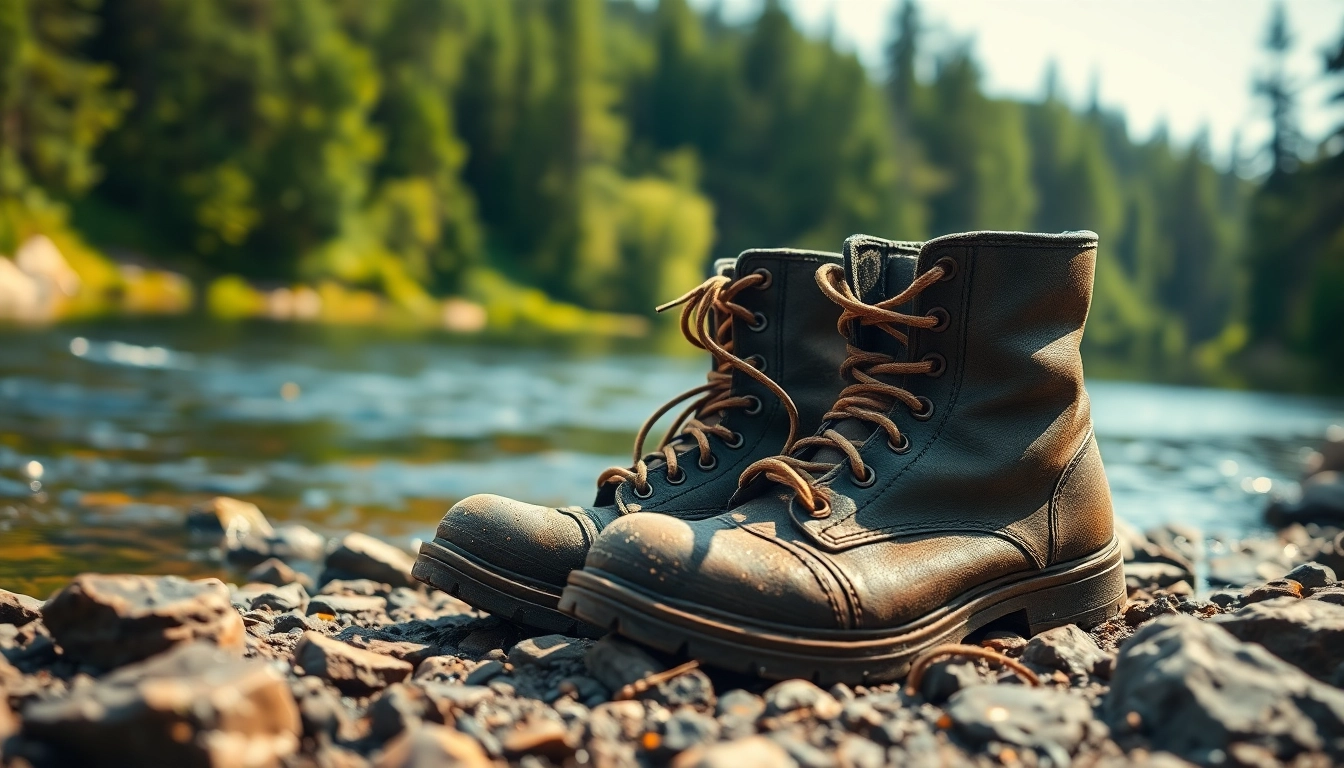
The Importance of Quality Fly Fishing Boots
When it comes to fly fishing, your footwear can significantly impact your experience on the water. While casting techniques and tackle choices are often prioritized, the right fly fishing boots can enhance mobility, comfort, and safety while wading through various aquatic environments. In this comprehensive guide, we’ll explore why investing in quality fly fishing boots is essential and what features make them stand out.
Why Invest in Fly Fishing Boots?
Investing in high-quality fly fishing boots is paramount for several reasons. Firstly, they offer superior protection against sharp rocks, slippery surfaces, and potentially harmful aquatic life. A poorly constructed boot can lead to discomfort, injuries, or even accidents, which is the last thing any angler wants while enjoying nature. Secondly, quality boots can enhance your overall fishing performance; a better grip allows for more focus on your casting technique rather than battling with your footing.
Key Features to Look for
When selecting the right pair of fly fishing boots, keep in mind features such as waterproofing, traction, and comfort:
- Waterproofing: Essential for wading through rivers or streams.
- Traction: Non-slip soles are crucial for safety on wet surfaces.
- Fit: A snug but comfortable fit ensures stability without sacrificing circulation.
- Support: Look for ankle support to reduce the risk of injury.
Comparing Different Types of Fly Fishing Boots
Fly fishing boots come in varying styles, including wading boots, boot-foot waders, and stockingfoot waders. Each style offers unique advantages:
- Wading Boots: These typically have a more rugged construction for wading in shallow waters and are often equipped with felt soles for better traction.
- Boot-Foot Waders: These combine boots and waders into one piece, ideal for colder waters.
- Stockingfoot Waders: These require separate boots but provide more versatility and breathability.
Understanding Materials and Construction
Best Materials for Fly Fishing Boots
The materials used in the construction of fly fishing boots play a vital role in their performance and durability. The most common materials include:
- Nylon and Neoprene: Lightweight and offer insulation. Ideal for cold conditions.
- Rubber: Commonly used for waterproofing yet can be heavy.
- Leather: Durable but may require more maintenance for waterproofing.
How Construction Impacts Durability
Durability is heavily influenced by the construction methods used in making fly fishing boots. High-quality boots often feature reinforced seams and tough toe caps. Additionally, boots designed for rigorous conditions usually incorporate a rigid sole for added support. Pay attention to the stitching; double-stitched seams provide extra strength, thus improving overall boot longevity.
Waterproofing Technologies Explained
Waterproofing is one of the most critical features of fly fishing boots. Technologies such as Gore-Tex provide breathability while preventing water penetration. Other methods include sealed seams and water-repellent coatings, which enhance the boot's protective capabilities without compromising airflow. Understanding these technologies can help you choose boots that will keep your feet dry and comfortable throughout your fishing adventures.
Fit and Comfort Considerations
Choosing the Right Size for Fly Fishing Boots
To ensure that your fly fishing boots fit perfectly, consider trying them on with the socks you intend to wear. Remember that different manufacturers can have varied sizing, so always consult their sizing charts for accuracy. Aim for snugness that allows your toes to wiggle freely without excessive movement, which could cause blisters.
Importance of Ankle Support
Ankle support is critical for preventing injuries, particularly on uneven terrain. High-top designs offer better stability, while low-top versions may be permissible for calmer waters. If you’re inclined to wade into deeper rivers or turbulent currents, boots that provide more ankle support are advisable.
Tips for Customizing the Fit
Customizing the fit of your boots can significantly enhance comfort. Consider using cushioned insoles for additional support or ankle wraps to secure your position better. Also, pay attention to lacing techniques; a firm, even lace-up can prevent movement and reduce blisters during extended wear.
Caring for Your Fly Fishing Boots
Cleaning and Maintenance Practices
Regular cleaning extends the life of your fly fishing boots. After each outing, rinse your boots thoroughly to remove mud and debris. For deeper cleanings, a mild soap and water solution helps restore their look and performance. Always allow them to air dry away from direct sunlight or heat sources, which can damage materials.
Extending the Lifespan of Your Boots
To prolong the lifespan of your fly fishing boots, store them in a dry, cool place. Use boot trees or stuff them with newspaper to help maintain the shape and absorb moisture. Regular waterproofing treatment also ensures they perform optimally and resist water over time.
Storage Tips for Off-Season
During the off-season, it’s essential to prepare your boots for storage. Clean them thoroughly and make sure they are completely dry. Store them in a breathable bag or box, avoiding sealing them in plastic, which can trap moisture and lead to mildew.
Top Brands and User Recommendations
User Feedback on Popular Fly Fishing Boots
User reviews can provide valuable insight into the performance and comfort of different fly fishing boots. Common themes in feedback include comfort during extended use, traction on slippery surfaces, and the effectiveness of waterproofing. Engaging with customer reviews can help you make an informed decision based on real-world experiences.
Price vs. Performance Analysis
When considering fly fishing boots, it’s crucial to evaluate the balance of price and performance. While premium options may provide features that enhance comfort and durability, mid-range options often deliver quality with a reasonable price tag. Analyzing the features and determining what you truly need can help you find value in your investment.
Where to Buy Fly Fishing Boots Online
Purchasing fly fishing boots online offers the convenience of browsing various styles and brands from the comfort of your home. Look for reputable retailers that provide comprehensive product descriptions, sizing guides, and customer reviews. Ensure they have a solid return policy, allowing you to exchange or return boots that don't meet your expectations.
Frequently Asked Questions
What type of fly fishing boots should I choose?
Choose between wading boots, boot-foot waders, and stockingfoot waders based on your style of fishing, water conditions, and temperature. Each type serves different environments and needs.
How can I keep my fly fishing boots from smelling?
Ensure your boots are entirely dry before storing them. You can also sprinkle baking soda inside, which helps absorb odors and keeps them fresh.
Do I need special socks for fly fishing boots?
Yes, moisture-wicking, thick socks designed for outdoor activities provide comfort and insulation while reducing the risk of blisters in your boots.
How often should I replace my fly fishing boots?
It depends on usage; monitor for signs of wear and tearm, such as leaks or loss of support. Regularly replacing them ensures optimal performance and safety.
Are fly fishing boots truly waterproof?
While many fly fishing boots are designed to be waterproof, the effectiveness of waterproofing can vary based on materials and maintenance. Always check for specific waterproof features before purchasing.