Understanding the Importance of Construction Safety Training
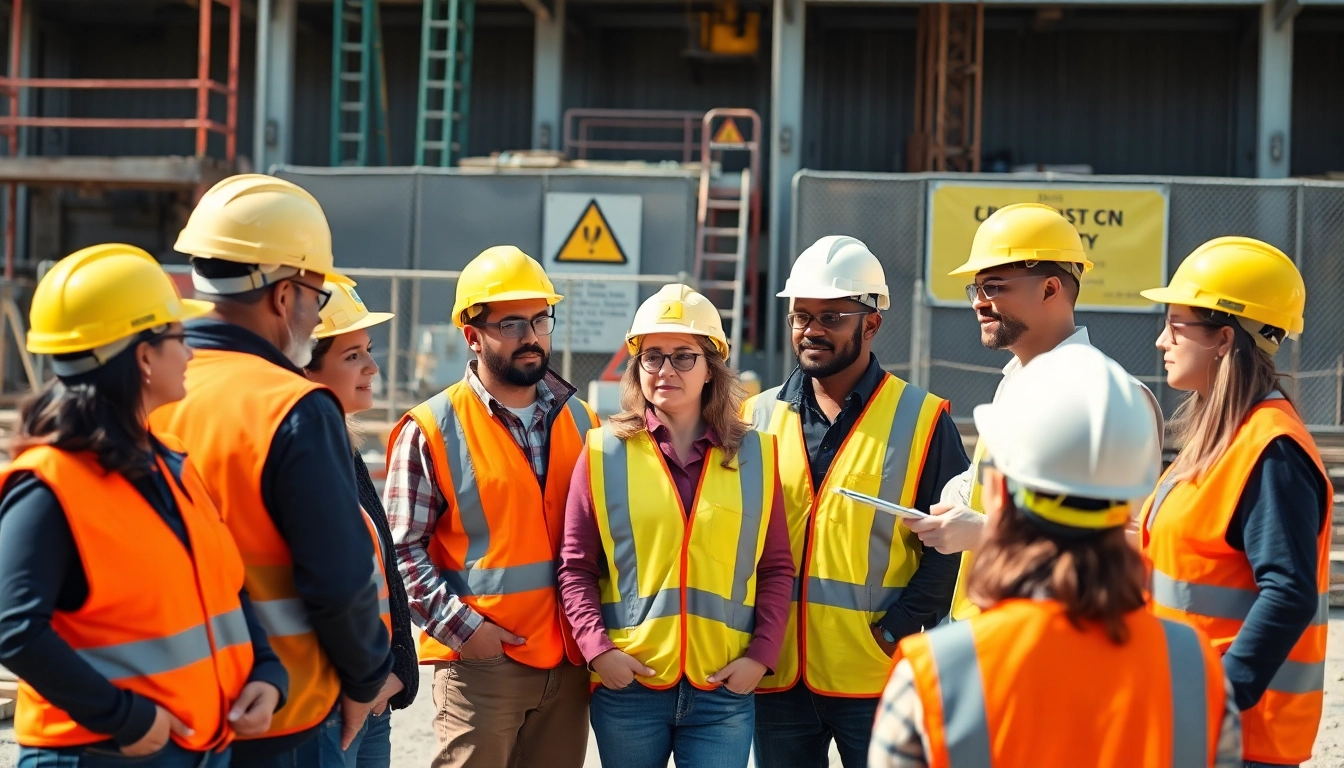
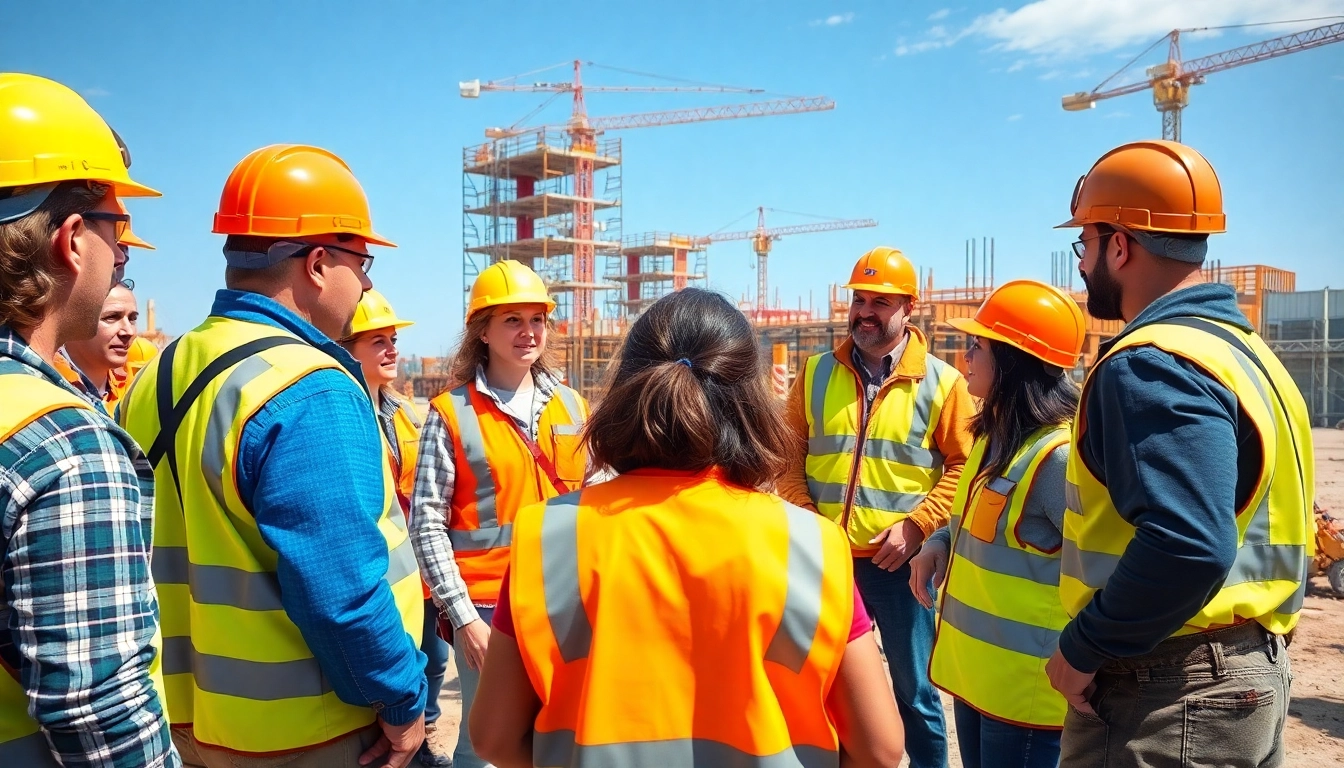
Construction sites are often characterized by complex environments, unique challenges, and significant hazards. Consequently, ensuring the safety of workers and the public is paramount. Each year, countless incidents occur due to a lack of safety protocols, highlighting the urgent need for robust construction safety training. Such training is not just a compliance issue, but an essential component of a successful construction operation.
Common Safety Hazards on Construction Sites
Understanding common safety hazards is fundamental to developing effective construction safety training programs. Some prevalent risks include:
- Slips, Trips, and Falls: Often caused by uneven surfaces, wet conditions, or obstacles, these incidents are among the most common on construction sites.
- Equipment-Related Injuries: Heavy machinery, power tools, and other equipment pose significant risks if not operated safely.
- Electrical Hazards: Live wires, improperly grounded equipment, and overhead power lines can result in serious injuries or fatalities.
- Exposure to Hazardous Materials: Construction workers may encounter toxic substances such as asbestos, lead, or chemicals that necessitate careful handling and protective measures.
- Environmental Hazards: Weather conditions and site-specific issues can lead to accidents; for example, heat stress during summertime or ice hazards in winter.
Understanding Legal Requirements for Safety Training
Compliance with legal safety regulations is a foremost requirement for construction safety training. Entities such as the Occupational Safety and Health Administration (OSHA) outline standards that employers must follow. Compliance includes:
- Providing proper training for workers regarding hazards they may face.
- Maintaining records of safety training and incident reports.
- Ensuring workers are aware of their rights under safety regulations, including the right to refuse unsafe work.
Regular audits and updates to training materials are also necessary to keep pace with industry changes and regulatory amendments.
Benefits of Implementing Safety Training
The advantages of implementing comprehensive safety training are manifold:
- Reduction in Incidents: A well-trained workforce is less likely to have accidents, resulting in fewer injuries and fatalities.
- Increased Productivity: Safe workers are efficient workers; minimizing downtime from accidents allows projects to stay on schedule.
- Cost Savings: Fewer accidents translate into reduced insurance premiums and lower costs related to medical expenses and legal fees.
- Enhanced Reputation: Companies that prioritize safety build stronger reputations, making them more attractive to potential clients and employees.
Types of Construction Safety Training Programs
On-Site vs. Online Construction Safety Training
Training can occur in various formats, each with its advantages and challenges. On-site training allows for hands-on learning and immediate application of safety protocols. This method is especially effective for teaching about specific equipment and site conditions.
Conversely, online training provides flexibility, allowing workers to complete courses at their own pace. This option is advantageous for covering broad topics, such as OSHA standards or general safety practices. A hybrid approach can also be beneficial, combining both methods to ensure adequate knowledge transfer and skill acquisition.
Specialized Training for High-Risk Activities
For activities that involve higher levels of risk, such as working from heights or operating heavy machinery, specialized training is crucial. Programs tailored to these activities should include:
- Theoretical knowledge about risks associated with specific tasks.
- Hands-on practical sessions that allow workers to practice safety protocols.
- Rigorous assessments to ensure understanding and competency.
Companies should prioritize ongoing assessments to ensure workers maintain their skills and awareness regarding safety procedures.
Continuous Education in Safety Protocols
Construction safety training should not be a one-off event but a continuous process. Regular refreshers on safety protocols, updates to industry standards, and new safety technologies keep worker knowledge current and relevant. Establishing a culture of continuous education can also empower employees to take an active role in safety initiatives.
Best Practices for Delivering Construction Safety Training
Engaging Training Methods and Techniques
To keep trainees engaged, employing a variety of teaching methods is essential. Effective techniques include:
- Interactive Workshops: These engage participants by allowing them to practice skills in a controlled environment.
- Multimedia Presentations: Using videos, slides, and animations can illustrate concepts in dynamic ways.
- Group Discussions: Encouraging sharing of experiences and scenarios can enhance learning retention.
Assessing Learner Comprehension and Retention
To measure the effectiveness of training, assessments should be incorporated. Techniques to assess comprehension include:
- Quizzes and tests at the end of training sessions.
- Observation of workers applying skills on-site.
- Regular follow-up sessions to reinforce learning.
Gathering data on performance can also help tailor future training programs, ensuring they meet workers' needs.
Incorporating Real-World Scenarios in Training
Real-world scenarios enhance the relevance of training programs. By presenting case studies of past incidents, workers can learn practical implications of safety training. Discussions can revolve around what went wrong, what could have been done differently, and how to avoid similar situations in the future.
Measuring the Effectiveness of Safety Training Programs
Key Performance Indicators for Safety Training Success
Key Performance Indicators (KPIs) play a crucial role in evaluating the success of safety training programs. Important KPIs include:
- Reduction in the number of safety incidents post-training.
- Employee feedback on confidence in safety practices.
- Results from competency assessments performed after completion of training.
Tracking these KPIs over time can provide insights into training effectiveness and areas needing improvement.
Gathering Feedback from Participants
Feedback from training participants can provide nuanced insights into training effectiveness. Surveys, interviews, and informal discussions can offer valuable input on content clarity, engagement level, and applicability. This feedback loop is essential for continuously enhancing training programs.
Adapting Training Based on Evaluations
Evaluations of training outcomes should lead to actionable insights. Adapting training modules based on participant feedback, incident reports, and observed behavior on-site can address weaknesses and emphasize successful elements of the program. By continuously refining training approaches, organizations can foster a safer work environment.
Future Trends in Construction Safety Training
The Role of Technology in Enhancing Safety Training
Technology is rapidly transforming the landscape of construction safety training. Innovations such as online learning platforms, mobile applications, and data analytics can streamline training delivery and assessment. Embracing technology not only enhances the training experience but also supports remote learning opportunities, which is increasingly crucial in today’s working environment.
Integrating Virtual Reality in Safety Training
Virtual Reality (VR) is gaining traction as an immersive training tool that allows workers to experience construction scenarios in a safe setting. VR can effectively simulate high-risk situations, providing learners with hands-on experience without real-world consequences. This type of training can build confidence and better prepare employees for the challenges they will face on the job.
Supporting a Culture of Safety in the Construction Industry
Establishing a strong culture of safety within organizations leads to lower incidents and a greater overall commitment to safety practices. This culture starts at the top; leadership must prioritize safety by investing in training, encouraging open communication about safety concerns, and recognizing safe practices among teams. A continuous emphasis on safety as a core company value creates a work environment where safety is everyone’s responsibility.