Introduction to Carolina Dance
The Carolina Dance encapsulates a unique blend of rhythm, style, and community. It's not merely a form of movement but a cultural expression deeply rooted in the traditions of the Carolinas. This article aims to explore various dimensions of Carolina Dance, from its history and techniques to the benefits it brings. Whether you are a novice or an experienced dancer, there is something here for everyone. Join us on this journey to master the art of Carolina Dance.
What is Carolina Dance?
Carolina Dance primarily refers to several dance styles originating from North and South Carolina, with the Carolina shag being one of its most notable forms. Typically characterized by its smooth, effortless style, the Carolina shag is performed to beach music and has become synonymous with the summertime spirit of the East Coast. Embracing improvisation, this dance allows partners to express themselves while maintaining a rhythmic connection. The wide range of styles within Carolina Dance, including swing and line dancing, makes it an inclusive dance form accessible to individuals of all ages.
Historical Significance of Carolina Dance
The historical roots of Carolina Dance trace back to the mid-20th century, flourishing in beach towns and social gatherings. The Carolina shag evolved from African American dance forms, heavily influenced by jazz, blues, and rock 'n' roll music. As beach music became popular, especially in the mid-1950s, the shag emerged as the go-to dance style at coastal venues, fostering a strong sense of community. In 1989, the Carolina shag was recognized as the official State dance of South Carolina, further solidifying its place in the cultural landscape of the region.
Types of Carolina Dance
Carolina Dance encompasses various styles, all of which share a common bond through rhythm and movement. Here are some prominent types:
- Carolina Shag: This is the cornerstone of Carolina Dance, featuring a unique six-count step in its basic structure and encouraging improvisation.
- Line Dancing: Often performed in groups, this style allows individuals to follow choreographed steps, making it a fun and social dance experience.
- Swing Dance: Despite its broader roots, this dance has found a home in North and South Carolina through music events and swing dance competitions.
Essential Techniques for Carolina Dance
Basic Steps of Carolina Dance
Learning the basic steps of Carolina Dance is crucial for any beginner. The fundamental step of the Carolina shag involves shifting weight from foot to foot, predominantly using a six-count rhythm:
- Step back on your right foot.
- Bring your left foot next to your right.
- Step to the right with your right foot.
- Step to the left with your left foot while shifting weight back to your right foot.
- Repeat the sequence, adding a bounce for liveliness.
Practice in front of a mirror can help refine your movements and enhance your confidence on the dance floor.
Advanced Moves in Carolina Dance
Once you have mastered the basic steps, moving on to advanced techniques can elevate your dance experience. Here are a few advanced moves to incorporate into your repertoire:
- The Walkaround: This involves turning your partner and walking around each other while maintaining a connection.
- The Push: A bold move where one partner pushes the other into a spin, followed by smooth catches back into the rhythm.
- The Huddle: Here, dancers move closely together, creating a dynamic and intimate connection.
These moves require rhythm and seamless communication between partners, making practice essential.
Common Mistakes in Carolina Dance
Even seasoned dancers can fall into common pitfalls. Below are some mistakes to watch out for when dancing Carolina Dance:
- Stiffness: The Carolina shag is about smooth transitions; try to keep your movements fluid.
- Overstepping: Keeping within close range often keeps the dance more dynamic and connected.
- Neglecting Rhythm: Ensure you are in tune with the music to avoid disjointed moves.
Awareness and constructive feedback from experienced dancers can help correct these mistakes.
Building a Carolina Dance Community
Finding Carolina Dance Classes
Your journey into Carolina Dance can be immensely enriched by joining classes. Many local dance studios offer courses for all skill levels, from beginner to advanced. Look specifically for studios that focus on the Carolina shag as it will help develop your foundational skills. Often, instructors include not only technique but also the cultural significance of each dance form, creating well-rounded dancers.
Participating in Carolina Dance Events
Engaging in community events such as dance socials, competitions, or workshops can enhance your experience. These functions are not only fun but also provide opportunities to meet fellow dancers and broaden your skillset. Many events are organized around significant regional festivals, so keep an eye on local listings to participate.
Joining Online Carolina Dance Groups
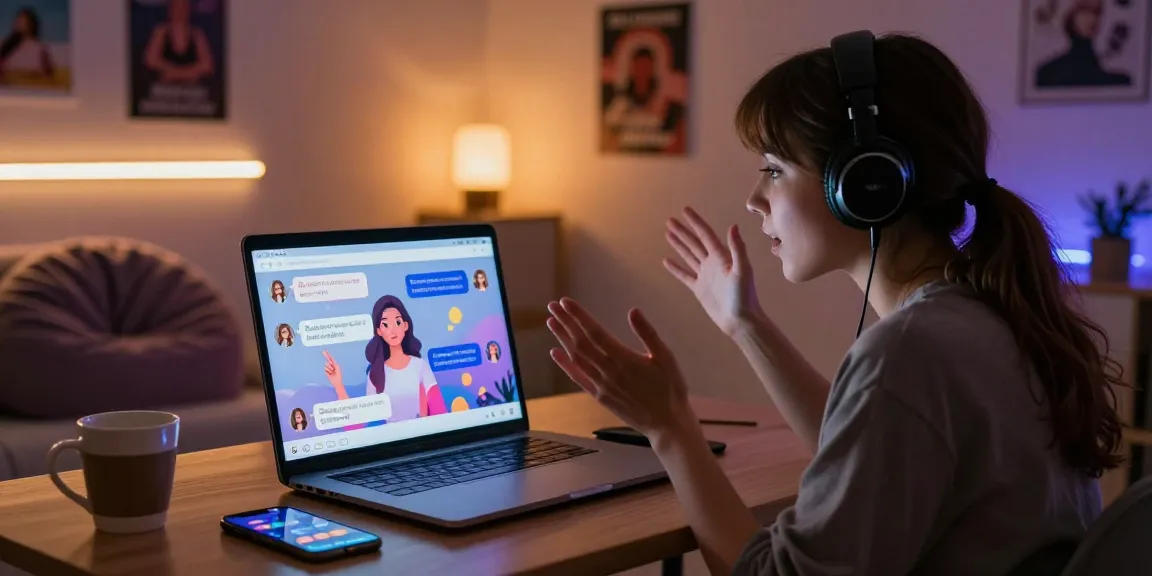
In the digital age, online communities have become invaluable for dancers. Joining platforms or forums dedicated to Carolina Dance can facilitate knowledge sharing and skill improvement. Social media groups, YouTube channels, and Instagram pages often feature tutorials, challenges, and live sessions where you can learn new moves and stay updated on dance trends. Engaging in discussions with experienced dancers can provide insights that traditional classes may not cover.
Benefits of Learning Carolina Dance
Physical and Mental Health Benefits
Learnt the Carolina Dance offers numerous physical benefits. Dancing provides a full-body workout, improving cardiovascular health, flexibility, and balance. Regular practice can lead to better muscle tone and increased stamina. Furthermore, engaging in dance reduces stress levels, promoting mental well-being through joyful expression and community belonging.
Social Connections through Carolina Dance
Carolina Dance serves as a fantastic way to meet new people and build social connections. Dancing often fosters a sense of community, whether through classes or events. Relationships formed while dancing can lead to lasting friendships, and the shared experience of learning and improving together can be highly rewarding.
Boosting Confidence with Carolina Dance
Furthermore, mastering Carolina Dance can significantly boost your confidence. As you progress from basic steps to more advanced moves, the sense of achievement can translate into increased self-esteem. Performing in front of an audience, whether at a local competition or a social gathering, promotes a sense of accomplishment, further enhancing personal growth.
Showcasing Your Carolina Dance Skills
Opportunities for Performance
Showcasing your skills is critical in your dance journey. There are numerous opportunities for performance, from local community showcases to larger competitions. Participating in these events not only allows you to demonstrate your abilities but also to gain feedback and enhance your performance skills.
Sharing Your Carolina Dance Journey on Social Media
With the rise of social media, sharing your Carolina Dance journey has never been easier. Posting videos of your dance practice or achievements can inspire others and connect you with a broader community. Social platforms also allow you to engage with feedback, showcase your progress, and even collaborate with fellow dancers for fun challenges.
Competing in Carolina Dance Competitions
For those looking to take their passion to the next level, competing in Carolina Dance competitions can be highly rewarding. Many regional and national events showcase talented dancers, providing an excellent opportunity to learn, grow, and network with others in the dance community. Competing can foster resilience and allure to an audience, showcasing the beautiful cultural roots of Carolina Dance.
As you delve deeper into the world of Carolina Dance, remember that the journey is as significant as the destination. Embrace every moment, connect with others, and above all, enjoy the art of dance. With dedication and passion, you will not only master the techniques but also embody the spirit of Carolina Dance.