
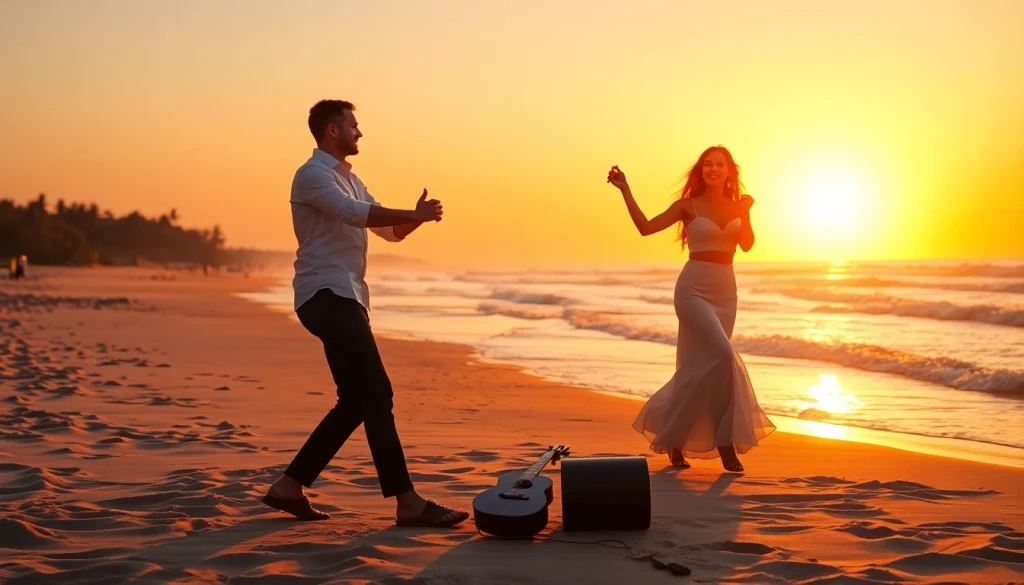
The Carolina Dance is more than just a rhythm and footwork; it embodies a rich heritage and a vibrant community. Rooted deeply in the culture of the Carolina coast, this dance reflects a unique blend of history, emotional expression, and social interaction, making it an engaging pastime for enthusiasts and a serious competition for skilled performers. In this comprehensive article, we will explore the historical context, core techniques, various styles, learning opportunities, and competitive events related to the Carolina Dance. Whether you are a novice looking to learn, an experienced dancer seeking to refine your skills, or simply curious about this captivating art form, this guide aims to provide you with all the essential knowledge.
Understanding Carolina Dance: Historical Context and Evolution
Origins of Carolina Dance
The roots of Carolina Dance can be traced back to the mid-20th century, primarily thriving in the coastal regions of the Carolinas. It evolved from earlier dance forms, such as the swing and shag dances that were popular in the Southern United States. The dance is traditionally performed to beach music, which blends elements of rhythm and blues and rock and roll, creating a joyful and invigorating atmosphere. The Carolina shag, a specific variant of Carolina Dance, has garnered widespread affection for its casual, yet rhythmic, style that encapsulates the spirit of the South.
Dance Evolution Through the Years
As societal norms shifted and music evolved, so did the Carolina Dance. Initially born as a social dance for the beach culture of the Carolinas, over the decades, it adapted to various musical genres, including rock, funk, and pop. This evolution has helped the Carolina Dance appeal to new generations of dancers, allowing it to remain relevant in dance communities. The introduction of organized competitions has also heightened the profile of the dance, steering its development toward technical precision while retaining its roots in improvisation and personal expression.
Cultural Impact and Significance
The Carolina Dance serves as a cultural touchstone, encapsulating the essence of Southern hospitality and community spirit. Events celebrating this dance create opportunities for social bonding, unity, and cultural exchange. Beyond personal enjoyment, the dance influences local economies by drawing tourists and dance enthusiasts from all over the country to regional festivals and competitions, thereby fostering a sense of pride and recognition for local traditions.
Core Techniques of Carolina Dance
Basic Steps and Footwork
Mastering the basic steps and footwork is essential for anyone venturing into the world of the Carolina Dance. The fundamental step, often referred to as the “basic,” includes smooth and fluid movements that align with the rhythm of the music. Dancers typically start by shifting their weight from one foot to another while incorporating small sideways steps. A distinctive aspect of the Carolina Dance is the “triple step,” which adds complexity and flair to the basic movements. Practicing these basic steps provides a solid foundation for more advanced techniques and shows how adaptability is key in this dance form.
Posture and Frame Essentials
Maintaining proper posture and frame is crucial for effective dancing. Dancers must keep their shoulders back and down, creating an open chest position that invites connection with their partner. The frame, which is the way dancers hold their arms and hands while dancing, should remain firm yet flexible. A strong frame allows for better communication between partners, making intricate movements flow seamlessly. Practicing with a mirror can help dancers self-correct their stance and frame, setting the stage for smoother interactions on the dance floor.
Connecting with Your Dance Partner
Connection, both physically and emotionally, is at the heart of the Carolina Dance. Dancers must learn to listen to their partner through varying degrees of pressure in their grasp, responding intuitively to each other’s movements. This connection fosters a sense of trust, enhancing the overall dance experience. Pair exercises that focus on leading and following techniques can help dancers build their connection, making the partnership an integral part of the dance’s success.
Styles and Variations in Carolina Dance
Different Forms of Carolina Dance
While the Carolina shag is perhaps the most recognized form of Carolina Dance, several variations exist that embody different characteristics and cultural influences. Dancers might perform the “Columbia Shag,” which has a more contemporary flair, or “Gulf Coast Shag,” unique to coastal regions. Each of these styles involves variations in footwork, posture, and connection, reflecting the cultural backdrop of the respective area. Familiarity with these forms allows dancers to adapt their skills to various settings and musical styles.
Regional Differences in Dance Styles
The geographical diversity of the Carolina region has led to distinct regional styles of the Carolina Dance. For instance, the beach towns often emphasize a relaxed, improvisational style that reflects their leisurely vibe, while urban centers may introduce a more competitive edge with intricate footwork and technical prowess. Understanding these regional characteristics enables dancers to appreciate the vast cultural tapestry woven into the fabric of the dance.
Incorporation of Various Music Genres
The versatility of the Carolina Dance shines through its adaptability to different music genres. While primarily associated with beach music, it also thrives in settings featuring rock, jazz, and contemporary rhythms. This musical flexibility allows dancers to express themselves creatively, merging traditional steps with modern beats. Engaging with various music genres can inspire experimentation in movement, making each dancing experience unique and personal.
Learning and Practicing Carolina Dance
Finding Classes and Workshops
For those interested in learning the Carolina Dance, countless resources are available. Local dance studios and community centers often host classes and workshops, ranging from beginner to advanced levels. Participating in these classes not only helps reinforce techniques but also fosters connections with fellow dancers. Enthusiasts should also explore online platforms where experienced dancers offer instructional videos and virtual classes, making it accessible for everyone, regardless of location.
Practicing at Home: Effective Techniques
Beyond formal classes, practicing at home is essential for skill development. Dancers can use online tutorials, dance apps, or instructional DVDs to hone their movements. Creating a practice schedule and setting clear goals can provide structure and motivation. Additionally, setting up a mirror can help dancers assess their posture, footwork, and connection, enabling focused revisions to their technique and style.
Joining Carolina Dance Communities
The sense of community is a significant aspect of the Carolina Dance. Joining local dance clubs, attending events, or participating in online forums can yield invaluable opportunities for learning and networking. These communities often host social dances, workshops, and competitions, allowing newcomers to immerse themselves in the culture of the dance and meet like-minded individuals who share their passion. The camaraderie felt within these groups can be a major driving factor in a dancer’s growth and enjoyment.
Events and Competitions in Carolina Dance
Major Festivals Celebrating Carolina Dance
Numerous festivals across the Carolinas celebrate the vibrant culture of the Carolina Dance. These events often feature live music, instructional sessions, and showcases where dancers can display their skills. Beyond mere entertainment, they serve as a gathering point for enthusiasts from all backgrounds. Events such as beach music festivals foster community spirit, honor traditions, and offer opportunities for dancers to broaden their horizons.
Participating in Competitions
For more serious dancers, competitions are a key aspect of the Carolina Dance scene. Various levels of competitions allow for skill assessment and showcase artistic talents. Dancers can gain invaluable experience through practice sessions, often leading to improved technique and performance skills. Competing provides a chance to receive constructive feedback from judges and other dancers, facilitating personal growth and pushing one’s boundaries in the art of dance.
Showcasing Your Skills in Performances
Regular opportunities to perform can significantly impact a dancer’s confidence and growth. Many community centers and local teams host showcases or talent nights, providing a platform for dancers to shine. Performing to live audiences often encourages dancers to refine their skills and presentation, boosting their adaptability to varied settings and energetic atmospheres. Such experiences cement learning and often propel dancers into further opportunities in the local dance scene.