
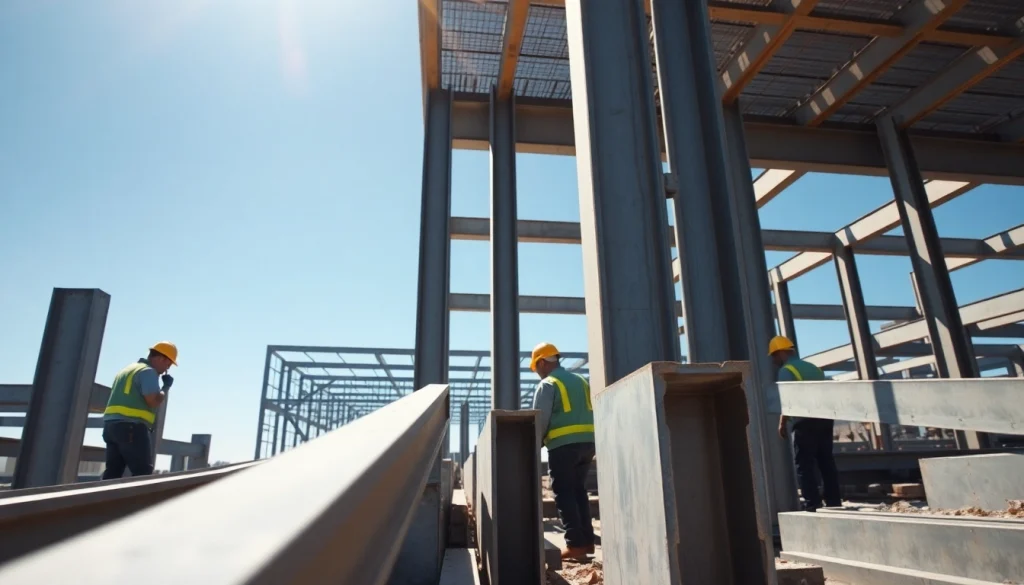
Understanding Structural Steel Installation
Structural steel installation plays a pivotal role in the construction and architecture industries. It involves the assembly of steel frameworks that support buildings, bridges, and various structures. This comprehensive guide aims to delve into the intricacies of structural steel installation, outlining its components, processes, and best practices for successful execution.
What is Structural Steel Installation?
At its core, structural steel installation is the procedure by which steel components are assembled into a robust framework designed to bear loads, resist environmental forces, and hold architectural features. It ideally comprises of beams, columns, girders, and braces that, when interconnected, form a skeleton that supports additional materials such as concrete, glass, and wood.
Importance of Structural Steel in Construction
Structural steel is invaluable for several reasons:
- Strength and Durability: Steel is exceptionally strong, offering the ability to withstand intense loads and vibrations, making it suitable for tall buildings and bridges.
- Design Flexibility: Structural steel can be fabricated into complex shapes, allowing for innovative architectural designs.
- Speed of Construction: Prefabricated steel components can be quickly assembled on-site, significantly reducing construction time.
- Cost-Effective: Although the initial investment can be higher than other materials, structural steel’s longevity and lower maintenance costs make it economically advantageous in the long run.
Key Components of Structural Steel Systems
Understanding the key components is crucial for effective structural steel installation:
- Beams: Horizontal support elements that bear loads from the roof or floors.
- Columns: Vertical components that transfer loads from beams to the foundation.
- Girders: Main horizontal supports that carry the load from beams.
- Braces: Diagonal members that provide additional stability and resist lateral forces.
Pre-Installation Preparation for Structural Steel Installation
Site Assessment and Planning
Prior to any physical installation, a thorough assessment of the site is essential:
- Geotechnical Study: Evaluate soil composition and conditions to determine the foundation requirements.
- Design Review: Ensure the structural design aligns with codes, specifications, and project requirements.
- Logistics Planning: Identify access paths for equipment and timely delivery of materials.
Tools and Equipment Needed
The right tools are vital for effective structural steel installation:
- Cranes: Essential for lifting and placing heavy steel components.
- Forklifts: Useful for moving lighter materials around the site.
- Welding Equipment: Necessary for joining metal pieces together.
- Safety Gear: Includes helmets, harnesses, and steel-toed boots to protect workers.
Safety Measures and Regulations
Safety cannot be overlooked during installation. Following regulations set by the Occupational Safety and Health Administration (OSHA) ensures a safe working environment. Key measures include:
- Conducting risk assessments to identify potential hazards.
- Establishing fall protection systems when working at heights.
- Ensuring proper training for workers on equipment use.
The Structural Steel Installation Process
Steps in the Structural Steel Erection
The installation of structural steel typically follows several methodical steps:
- Pre-Erection Preparation: Ensure all materials are on-site and ready for assembly.
- Column and Beam Installation: Begin placing columns, following a predetermined sequence to maintain load distribution.
- Purlin and Brace Setup: Install cross bracing and purlins for added rigidity.
- Calibration: Ensure all components are level and plumb before securing them in place.
Best Practices for Successful Installations
Adopting best practices can enhance efficiency and safety in the installation process:
- Implement a detailed project schedule to keep track of timelines and responsibilities.
- Regularly inspect equipment to ensure optimal performance and reduce the risk of accidents.
- Utilize 3D modeling software to visualize and plan complex installations before execution.
Common Challenges and Solutions
Like any complex process, structural steel installation faces its share of challenges:
- Weather Conditions: Adverse weather can delay operations; contingency plans should be established.
- Material Delivery Delays: Reliable suppliers and clear communication can mitigate timing issues.
- Worker Safety: Regular safety briefings and drills can ensure all team members remain vigilant.
Post-Installation Considerations
Inspection and Quality Control
Once installation concludes, a comprehensive inspection is crucial:
- Visual Inspections: Check for structural integrity and ensure all components are securely fastened.
- Load Testing: Conduct tests to confirm the installation can handle the anticipated loads.
- Documentation: Maintain records of inspections, tests, and any issues that arose during installation.
Maintenance Tips for Structural Steel
To ensure longevity and prevent deterioration, regular maintenance is essential. Here are some key practices:
- Inspect for rust and corrosion frequently, addressing issues immediately.
- Ensure adequate drainage around structures to minimize water accumulation.
- Schedule regular maintenance checks to address any emerging issues proactively.
Documentation and Future Modifications
Keeping thorough documentation can benefit future renovations or expansions:
- Maintain all drawings and specifications for future reference.
- Document any modifications or repairs that have been made.
- Ensure all changes comply with local building codes and regulations.
Conclusion: Enhancing Efficiency in Structural Steel Installation
Recap of Key Takeaways
Understanding the complexities of structural steel installation can lead to improved execution and ensure safety protocols are met. Prior preparation, utilizing best practices, and thorough inspections post-installation are vital components of the process.
Staying Updated with Industry Trends
As technologies evolve, staying informed about new tools and methodologies can provide competitive advantages. Engaging in continual education and professional development within the field is highly recommended.
Encouraging Best Practices in Steel Construction
Promoting a culture of safety, efficiency, and quality within an organization not only enhances performance but can significantly reduce costs and lead to successful project outcomes. Emphasizing teamwork, continuous improvement, and embracing innovative solutions will lead to excellence in structural steel installation.