Understanding Bitcoin Mining Basics
Bitcoin mining has revolutionized the way we view currency and transactions in the digital age. At its core, mining involves the process through which new bitcoins are created and transactions are verified on the blockchain. This intricate system not only serves as a method for maintaining the integrity of the Bitcoin network but also introduces new bitcoins into circulation, making it a critical aspect of the cryptocurrency ecosystem. For those keen on entering this realm, understanding the fundamentals of bitcoin mining is essential.
What is Bitcoin Mining?
Bitcoin mining is the process of adding transaction records to Bitcoin's public ledger, known as the blockchain. This process is facilitated by miners who use powerful computer hardware to solve complex mathematical problems. When a miner successfully solves a problem, they create a new block and are rewarded with bitcoins. This not only serves to release new bitcoins but also confirms the legitimacy of the transactions conducted, ensuring the security and trust within the network.
The Blockchain Technology Behind Mining
The blockchain is a decentralized and distributed digital ledger that keeps a secure record of all transactions across the Bitcoin network. Each block in the blockchain contains transaction data, a timestamp, and a unique cryptographic hash that links it to the previous block. This chaining of blocks makes it incredibly difficult to alter any single block, ensuring the integrity and security of the entire system. Each time miners add a new block, they contribute to the overall trustworthiness of the Bitcoin network, making blockchain technology a cornerstone of the cryptocurrency's success.
Key Terms in Bitcoin Mining Explained
- Hash Rate: This refers to the computational power per second used when mining. It measures how quickly a miner can complete the operations to find a new block.
- Difficulty: This indicates how hard it is to find a new block. The Bitcoin network adjusts the difficulty approximately every two weeks, based on the total computational power of the network.
- Block Reward: The incentive given to miners for solving a block. Initially set at 50 bitcoins, the reward halves approximately every four years (every 210,000 blocks).
- Mining Pool: A group of miners who combine their resources to increase their chances of solving blocks and share the rewards accordingly.
Choosing the Right Equipment for Bitcoin Mining
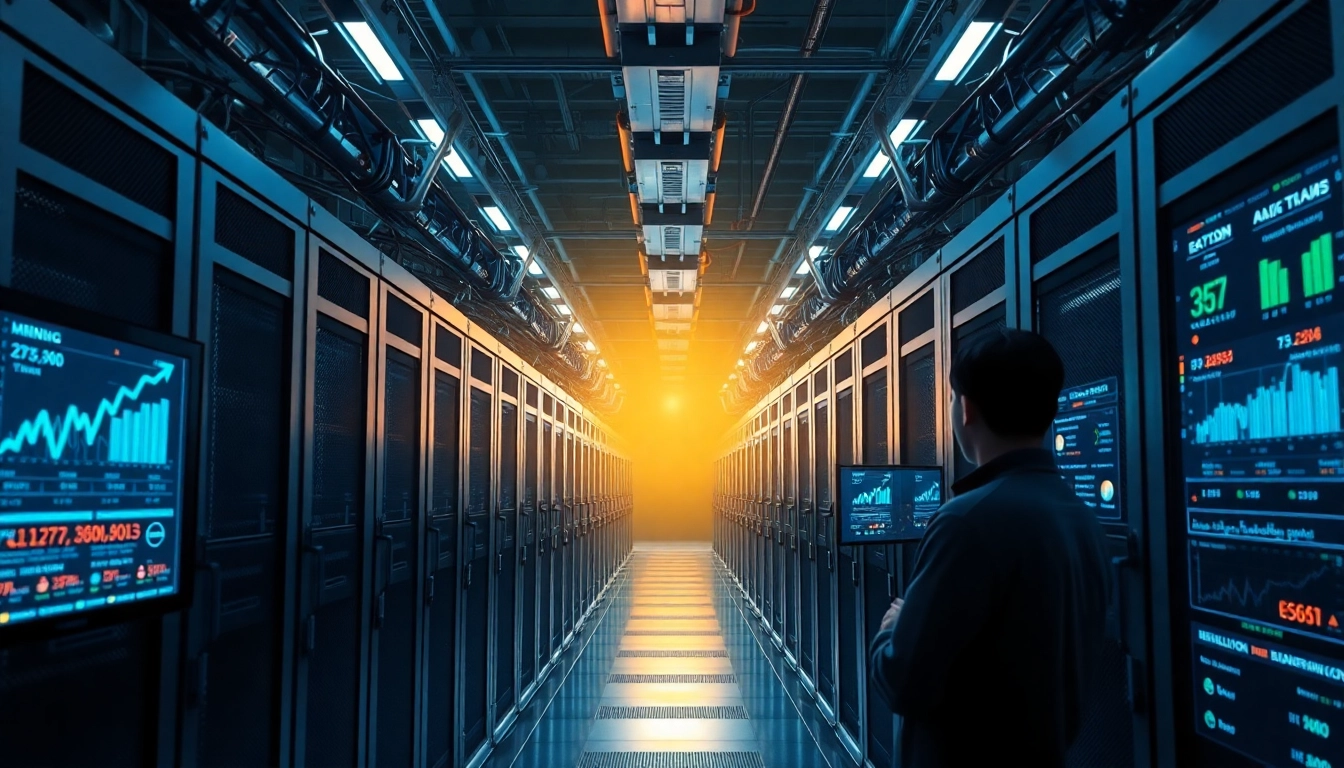
To engage in bitcoin mining effectively, selecting the appropriate equipment is crucial. As the mining landscape has evolved, so too has the hardware used for mining. Modern bitcoin mining necessitates specific types of equipment that can handle the demanding computational tasks. ASIC miners, which are specialized hardware designed specifically for mining, have become the gold standard for miners seeking efficiency and profitability.
Essential Hardware for Successful Bitcoin Mining
The predominant hardware used in Bitcoin mining today is the Application-Specific Integrated Circuit (ASIC) miner. These devices are tailored to perform one specific task: mining bitcoins. Unlike traditional graphics processing units (GPUs), which can be employed for a range of tasks, ASICs offer unmatched efficiency and speed. Popular ASIC miners include models from Bitmain (Antminer series) and MicroBT (Whatsminer series), both known for their high hash rates and energy efficiency.
Comparing ASIC Miners vs. GPU Miners
When it comes to bitcoin mining, comparing ASIC miners with GPU miners reveals significant differences. ASIC miners are tailored for mining and provide higher hash rates and lower power consumption compared to GPUs. However, GPUs are more versatile and can be used for gaming and other computational tasks, making them a more flexible option. In terms of profitability and efficiency in bitcoin mining, ASICs are generally the preferred choice due to their superior performance.
Setting Up Your Mining Rig: A Step-by-Step Guide
- Select Your Hardware: Choose the appropriate miners, like ASICs, based on your budget and mining goals.
- Get the Necessary Software: Install mining software that is compatible with your hardware and allows for efficient mining.
- Join a Mining Pool: Consider joining a mining pool to enhance your chances of earning bitcoin more consistently.
- Set Up Your Mining Environment: Ensure you have a cool, well-ventilated space to prevent overheating of your mining equipment.
- Connect to the Internet: A stable internet connection is vital for effective mining operations.
- Start Mining: Once everything is set up, start the mining process and monitor your performance.
Mining Pools and Their Advantages
Mining pools have become a popular choice for many miners due to their ability to combine resources and increase the likelihood of earning rewards. By joining forces, miners can lower the variance in their payouts and benefit from a more stable income over time.
What is a Mining Pool?
A mining pool is a collaborative group of cryptocurrency miners who share their computational resources over a network. This collective approach allows miners to find new blocks more frequently compared to solo mining. The rewards are then divided among members based on their contributed computational power, helping to mitigate the difficulty and uncertainty of independent mining.
How to Choose the Right Mining Pool
Choosing the right mining pool is instrumental to your success. Consider factors such as the pool’s size, fee structure, payout methods, and reputation. Larger pools typically offer more frequent payouts but come with higher fees, while smaller pools might offer smaller but higher percentage rewards. Researching and selecting a pool that aligns with your goals and preferences is crucial.
Maximizing Your Earnings Through Pools
To maximize your earnings when participating in a mining pool, ensure you understand the payout structure the pool uses. Common payout methods include Pay-Per-Share (PPS) and Pay-Per-Last-N-Shares (PPLNS). Being strategic about which pool you join, understanding the fees involved, and actively monitoring your mining performance can significantly enhance your profitability.
Profitability Factors in Bitcoin Mining
While bitcoin mining can be lucrative, several factors influence profitability and should be carefully considered before diving in. Understanding these elements can help miners make informed decisions and optimize their operations for better returns.
Understanding Mining Difficulty and Its Impact
Mining difficulty is a critical factor that affects a miner’s chances of earning bitcoins. As more miners join the network and the hash rate increases, the Bitcoin protocol adjusts the difficulty level to ensure that new blocks are mined approximately every ten minutes. This balancing act means that increased competition can result in lower rewards for miners unless they can keep up with the latest hardware and techniques.
Calculating Your Potential Profits
To assess the potential profitability of bitcoin mining, you can use profitability calculators that evaluate several variables, including hardware costs, electricity costs, hash rate, and Bitcoin market prices. Tools like the NiceHash profitability calculator can help you estimate your earnings and understand the financial viability of your mining operations.
Common Costs Associated with Mining
Bitcoin mining is not without its expenses. Key costs include:
- Equipment Costs: The purchase price of mining hardware can be significant, especially for ASICs.
- Electricity Costs: Mining equipment consumes a large amount of electricity, which is a recurring operational cost.
- Cooling Costs: Maintaining optimal temperatures for your mining rigs may require additional cooling systems and associated power consumption.
- Internet Costs: A reliable internet connection is essential, contributing to overall monthly expenses.
Future Trends in Bitcoin Mining
As the cryptocurrency landscape evolves, so does bitcoin mining. Awareness of emerging trends can prepare miners for future challenges and opportunities in this dynamic market.
Technological Innovations Shaping the Industry
With ongoing advancements in technology, mining hardware continues to become more efficient and cost-effective. Innovations such as liquid-cooling systems, improved ASIC designs, and energy-efficient algorithms are enhancing miners' capabilities and profitability. Additionally, advancements in artificial intelligence and machine learning are being explored to optimize mining operations further.
Environmental Concerns and Sustainable Solutions
The environmental impact of bitcoin mining has become a significant concern, given its substantial energy consumption. In response, the industry is increasingly looking toward sustainable energy solutions, such as solar and wind power, to reduce carbon footprints. Miners who adopt greener practices may find new competitive advantages and align with the growing demographic of environmentally conscious investors.
Predictions for Bitcoin Mining in 2025 and Beyond
Looking ahead, bitcoin mining is poised for continued evolution. As more institutional investors enter the space, the demand for mining services is expected to increase. However, regulatory scrutiny and shifts in energy costs will play a crucial role in shaping the industry's future. Additionally, the potential for further halving events and changes in mining rewards will require miners to remain adaptable and innovative in their strategies.