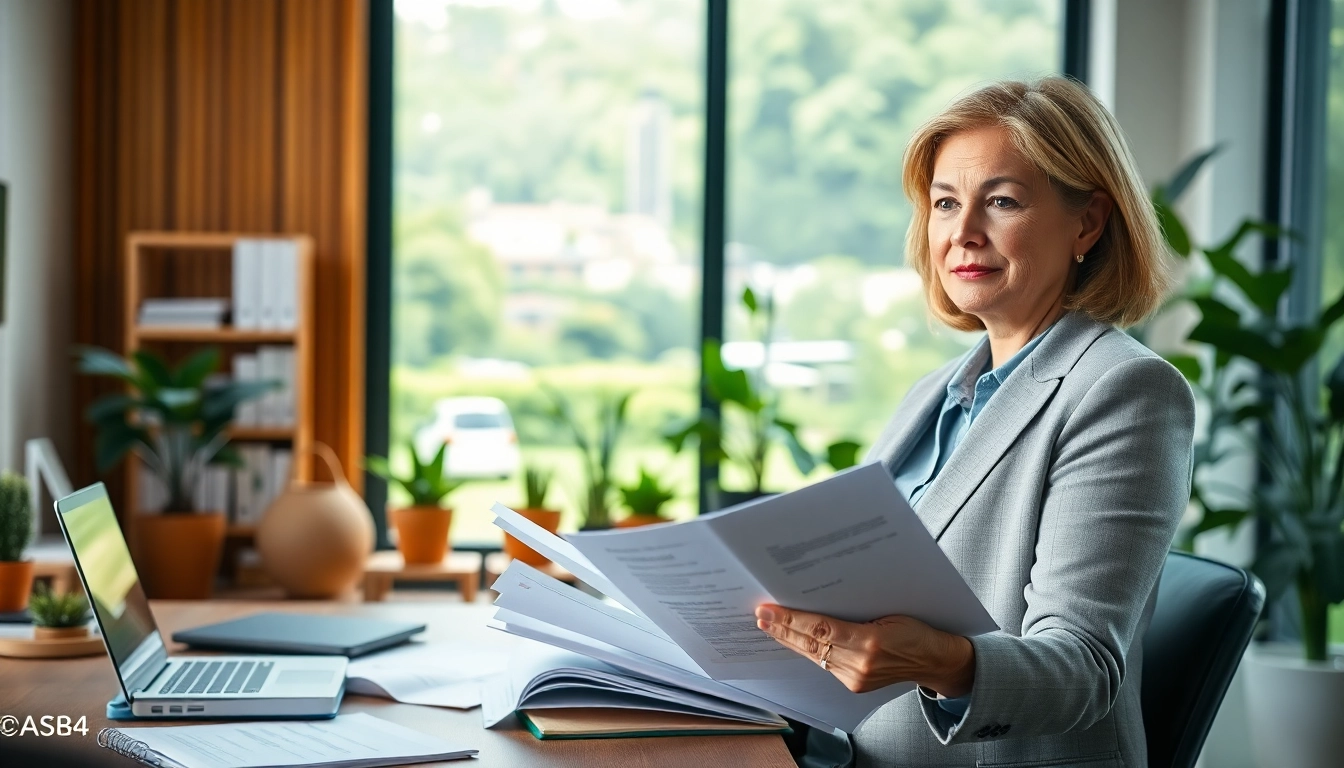


Understanding Mediation Basics
What is Mediation?
Mediation is a structured process where a neutral third party, known as a mediator, assists disputing parties in negotiating a resolution to their conflict. Unlike litigation, which involves a judge or jury making a binding decision, mediation focuses on facilitating dialogue between the parties to help them reach a mutually acceptable agreement. The mediator does not impose a solution; instead, they guide the discussion, helping both sides explore their interests and find common ground. Mediation is not only versatile but is also widely recognized for its effectiveness across various types of disputes, including family, business, employment, and community issues. For more insights into mediation techniques, you can explore Mediation as a conflict-resolution strategy.
The Role of a Mediator
The mediator plays a pivotal role in the mediation process. They are responsible for creating a safe and respectful environment where both parties can express their concerns and feelings freely. Mediators employ various techniques, such as active listening and reframing, to help parties communicate effectively. A key aspect of the mediator’s role is to remain neutral, ensuring that no bias influences the outcomes of the discussions. Additionally, the mediator must possess strong interpersonal skills, emotional intelligence, and a thorough understanding of conflict resolution dynamics.
Benefits of Mediation
Mediation offers several advantages over traditional dispute resolution methods, such as litigation. Some of the primary benefits include:
- Confidentiality: Mediation discussions are private, which means that sensitive information shared during the process will not be disclosed publicly.
- Cost-Effectiveness: Mediation is generally less expensive than going to court, saving both parties on legal fees and associated costs.
- Speed: Many disputes can be resolved in a matter of hours or days, unlike court cases that may take months or even years.
- Preserved Relationships: Since mediation encourages collaboration and communication, it often helps maintain, if not enhance, relationships between conflicting parties.
- Empowerment: Mediation allows parties to take control of the outcome, promoting a sense of ownership over the resolution process.
Mediation Process Steps
Preparation for Mediation
The effectiveness of mediation greatly depends on adequate preparation. Parties should take the time to gather relevant documents, clarify their goals, and consider the interests and needs of the other party. It can be beneficial to list the key issues at hand and any potential solutions to come equipped for discussions. Additionally, parties should pick a suitable mediator whose expertise aligns with the nature of the dispute, ensuring the mediator can navigate the specific issues effectively.
Conducting the Mediation Session
During the mediation session, the mediator initiates introductions and outlines the ground rules to create a structured environment. The process typically begins with each party presenting their perspective on the issues without interruptions. Following this, the mediator facilitates discussions, guiding both parties to identify their core interests and exploring potential options for resolution. The session may involve private caucuses, where the mediator speaks individually with one party to address sensitive issues and regain focus on common interests.
Post-Mediation Follow-up
Once a resolution is reached, it’s essential to formalize the agreement in writing, clearly outlining the terms and any follow-up actions required from both parties. After the mediation session, the mediator may recommend follow-up meetings or check-ins to clarify any lingering issues and support the implementation of the agreement. Evaluation and continuous communication are crucial at this stage to prevent any potential disputes from arising in the future.
Common Challenges in Mediation
Overcoming Resistance from Parties
Resistance can manifest in various ways, such as refusal to negotiate or a lack of engagement in the process. To address this, the mediator can employ strategies such as redefining the context of the dispute, ensuring all parties understand the potential risks of not resolving the conflict, and facilitating collaborative brainstorming to identify mutual benefits. Engaging parties by emphasizing their interests and motivating them to find a resolution can often break through initial hesitation.
Addressing Emotional Barriers
Conflicts often involve strong emotions, which can cloud judgment and create barriers to resolution. Mediators can help parties manage these emotions by acknowledging feelings and promoting active listening. Techniques such as rephrasing statements to emphasize understanding can redirect energy towards constructive dialogue. It’s critical to validate emotions while steering discussions back toward the factual aspects of the dispute.
Managing Time Constraints
Time limitations can hinder effective mediation, especially when complex issues are involved. To mitigate this challenge, mediators can help parties prioritize items based on urgency and importance. Setting clear agendas at the outset and enforcing time limits for discussions can also enhance focus. Providing pre-mediation materials can facilitate productive sessions by ensuring that all parties arrive familiar with the topics to be discussed.
Advanced Mediation Techniques
Interest-Based Negotiation
Interest-based negotiation moves away from competitive bargaining and focuses on understanding the underlying interests of both parties. This technique encourages parties to express their needs and priorities openly, enabling them to find solutions that satisfy both sides. By fostering an environment of collaboration, interest-based negotiation can lead to more sustainable agreements and help maintain relationships beyond the mediation process.
Cultural Considerations in Mediation
Cultural differences can dramatically affect communication styles, perceptions of conflict, and expectations around resolutions. Mediators should be culturally competent and aware of various norms, values, and communication styles to navigate these differences effectively. Tailoring mediation approaches depending on the cultural backgrounds of the parties involved can help foster engagement and make the process more comfortable for all involved.
Utilizing Technology in Mediation
The rise of digital tools and platforms has transformed how mediation sessions are conducted. Virtual mediation allows parties to engage in the process regardless of geographic location, providing greater accessibility. Various mediation software tools can facilitate document sharing, scheduling, and even real-time communication. Awareness of technology options can enhance the efficiency and convenience of mediation, especially in complex cases where parties may not be able to meet in person.
Measuring Mediation Success
Key Performance Indicators
Determining the effectiveness of mediation can be achieved through several key performance indicators (KPIs). Common KPIs include the rate of agreement, the sustainability of resolutions over time, and participant satisfaction rates. Additionally, analyzing the time taken to reach an agreement and the number of disputes that reoccur can provide insights into the overall success of the mediation process.
Feedback from Participants
Gaining feedback from mediation participants is crucial for measuring success. Post-mediation surveys can gather insights regarding participants’ perceptions of the mediator’s effectiveness, the process’s fairness, and their overall satisfaction with the outcome. Such feedback enables mediators to refine their approaches and strategies for future mediations, ensuring that continuous improvements are made.
Adjusting Approaches Based on Outcomes
An effective mediator should be adaptable, willing to change their techniques based on specific outcomes and feedback from prior mediation sessions. If certain strategies were successful in past cases, they should be integrated into future practices. Conversely, if particular approaches led to misunderstandings or unresolved issues, it is essential to analyze these situations critically and modify methods accordingly.
FAQs
What is mediation?
Mediation is a voluntary process where a neutral third party, the mediator, assists disputing parties in reaching a resolution amicably and collaboratively.
How long does a mediation session typically last?
The duration of a mediation session can vary, usually lasting from a few hours to a whole day, depending on the complexity of the issues involved.
Are mediation results legally binding?
While mediation agreements can be made legally binding through contracts, the mediation process itself is not inherently binding.
What are the benefits of mediation?
Mediation offers a confidential, cost-effective, and quicker alternative to litigation, with a focus on preserving relationships.
Can mediation be used for all types of disputes?
Yes, mediation can be adapted to resolve various disputes, including family, business, employment, and community issues.