
Understanding the Cape Cod Home Style
Historical Background of Cape Cod Architecture
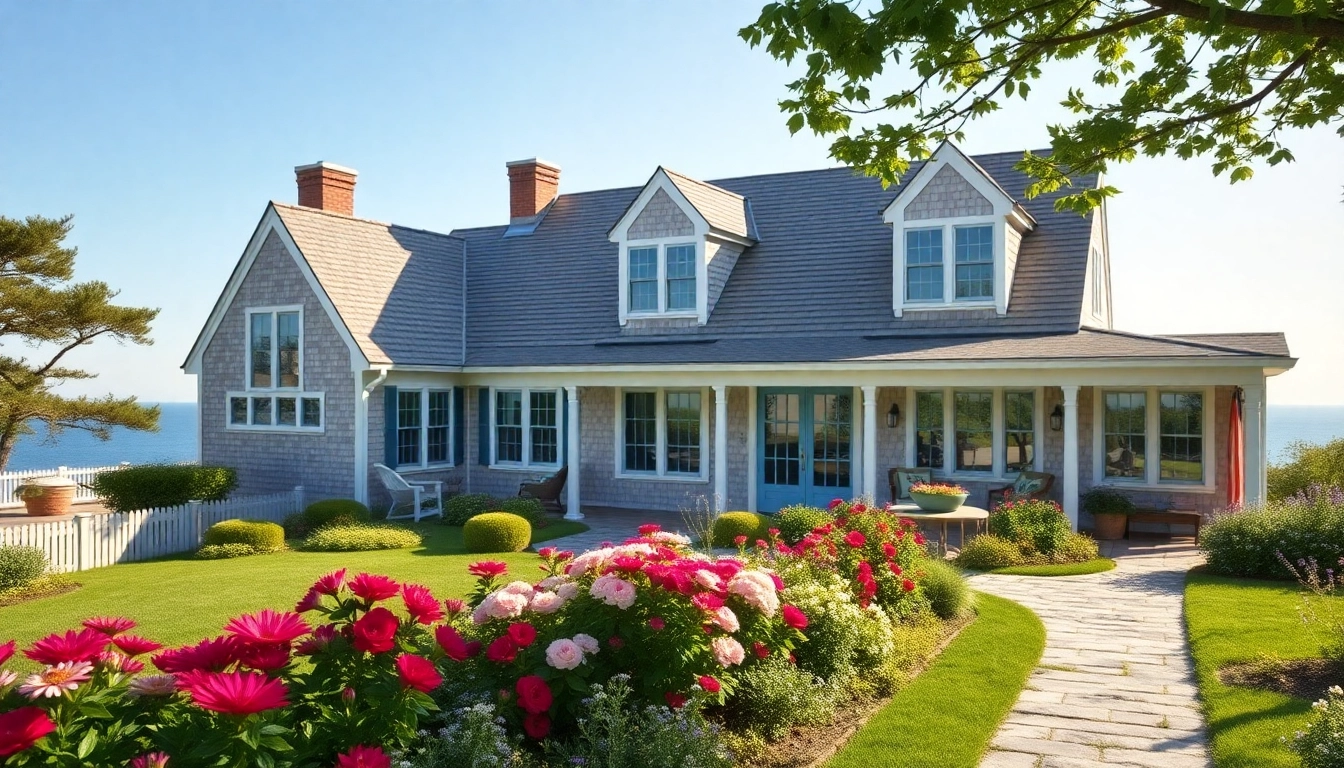
The cape cod home style traces its origins back to the early 17th century when English settlers first arrived in America. Drawing inspiration from the thatched cottages of East Anglia, these homes were designed to withstand harsh weather conditions and to be practical for family living and farming. The early structures were typically one-and-a-half stories, featuring steep roofs, dormer windows, and a central chimney, embodying a functional but quaint aesthetic that aligned perfectly with the New England environment.
Distinctive Features of Cape Cod Homes
Characterized by their simplicity and symmetry, Cape Cod homes often exhibit a few distinctive features that make them instantly recognizable. Key elements include:
- Steeply Pitch Roofs: These roofs are designed to shed snow and rain efficiently.
- Dormer Windows: Often found on upper levels, dormers add light and space to the living areas.
- Wooden Clapboard Siding: Traditionally painted in muted colors or left to weather naturally, wood siding enhances the rustic charm.
- Central Chimneys: Serving as the functional heart of the home, these chimneys add to the symmetrical facade.
- Simple Front Porches: Often adorned with minimalistic railings, these spaces are perfect for enjoying the coastal breeze.
Modern Interpretations of Cape Cod Homes
While classic elements define the traditional Cape Cod style, modern adaptations incorporate contemporary designs and features. Contemporary architects and homeowners are now blending the old with the new by utilizing open floor plans, larger windows, and eco-friendly materials. These modern interpretations retain the essence of the cape cod home while enhancing functionality and energy efficiency.
Planning Your Cape Cod Home Expansion
Assessing Space and Design Needs
When considering an expansion of your Cape Cod home, it’s essential to thoroughly assess your space requirements. Start by evaluating your lifestyle and the specific needs of your family. Will you require additional living areas, more bedrooms, or perhaps a dedicated workspace? Engaging with a design professional can provide you with insights into maximizing your space through thoughtful structural modifications that honor the existing architecture.
Local Building Regulations and Permits
Before embarking on any construction project, familiarize yourself with local building codes and zoning regulations. Each locality may have specific requirements regarding setbacks, height restrictions, and land use. Obtaining the necessary permits is crucial to avoid future complications. Engaging with local authorities or hiring a professional who understands regional regulations will ensure a smoother expansion process.
Choosing the Right Materials for Expansion
Material selection plays a pivotal role in the success of your home expansion. Utilizing materials consistent with the original cape cod home structure, such as cedar shingles, clapboard siding, and wooden windows, will maintain visual harmony. Additionally, consider modern materials that offer improved durability and energy efficiency. Balancing tradition and innovation will yield a seamless integration of the new space with the existing home.
Designing the Perfect Attached Garage
Benefits of an Attached Garage in Cape Cod Homes
An attached garage offers numerous advantages, particularly in a Cape Cod home setting. First and foremost, it provides convenience, allowing easy access to vehicles regardless of weather conditions. Moreover, an attached garage can serve as additional storage space, potentially functioning as a mudroom for shoes and outdoor gear. Importantly, carefully designed garages can enhance the overall aesthetic and value of your property.
How to Blend Garage Design with Existing Architecture
To achieve harmony between your new garage and your Cape Cod home, ensure that the architectural elements are cohesive. This involves matching the roof pitch, siding materials, and window styles to those of your original home. Using complementary colors and designs will help the garage to appear as an integrated, intentional extension rather than an afterthought.
Storage Solutions for Cape Cod Garages
Maximizing storage in your attached garage is essential for maintaining a clean and organized space. Built-in shelving, overhead storage racks, and cabinetry can effectively utilize vertical space. Consider incorporating customizable modular storage solutions that can be adapted as your storage needs change over time. Addressing storage creatively will not only declutter your garage but also enhance usability.
Landscaping Around Your Cape Cod Home
Choosing Native Plants for Maintenance Ease
Landscaping plays a significant role in enhancing the character and curb appeal of your Cape Cod home. Opting for native plants can simplify maintenance while supporting local ecology. Native species are adapted to the local climate, require less water, and are generally more resilient to pests. Popular options include beach grass, hydrangeas, and ornamental grasses, offering both beauty and sustainability.
Creating Outdoor Living Spaces
Outdoor living has become an integral aspect of home design, particularly for Cape Cod homes that thrive on natural beauty and tranquil surroundings. Creating outdoor seating areas, patios, or decks allows homeowners to fully embrace their environment. Utilize natural materials such as wood and stone to create organic, inviting spaces that encourage relaxation and social gatherings.
Seasonal Landscaping Tips for Cape Cod Homes
In the Cape Cod climate, understanding seasonal changes is crucial for effective landscaping. During spring, focus on planting and rejuvenating existing gardens. In the summer, maintain foliage and prepare for potential storms by ensuring trees are healthy and pruned. Fall lends itself to clean-up and preparation for winter while winter offers a chance to evaluate your landscape and plan for future growth. Crafting a seasonal strategy can elevate your property throughout the year.
FAQs About Cape Cod Home Design
What are common characteristics of Cape Cod homes?
Common characteristics include steeply pitched roofs, dormer windows, central chimneys, wooden siding, and a symmetrical facade. These features contribute to their charm and functionality.
How can I choose colors for my Cape Cod home?
Opt for muted, natural colors that reflect the coastal setting. Soft blues, greens, and grays work well, reminiscent of the sea and sky, providing cohesive aesthetics.
What is the average cost of expanding a Cape Cod home?
The cost for expanding a Cape Cod home varies widely depending on size, materials, and labor. On average, homeowners may expect to spend $100 to $200 per square foot for high-quality work.
How do I maintain a Cape Cod home’s exterior?
Regular maintenance includes inspecting siding, checking the roof for damage, and painting or staining wooden elements every few years. This ensures longevity and enhances curb appeal.
What are popular landscaping trends for Cape Cod homes?
Popular trends include native plant gardens, sustainable landscaping practices, and creating functional outdoor spaces. These trends align with the natural beauty of the Cape Cod landscape.