
Understanding Vinyl Plank Flooring
What is Vinyl Plank Flooring?
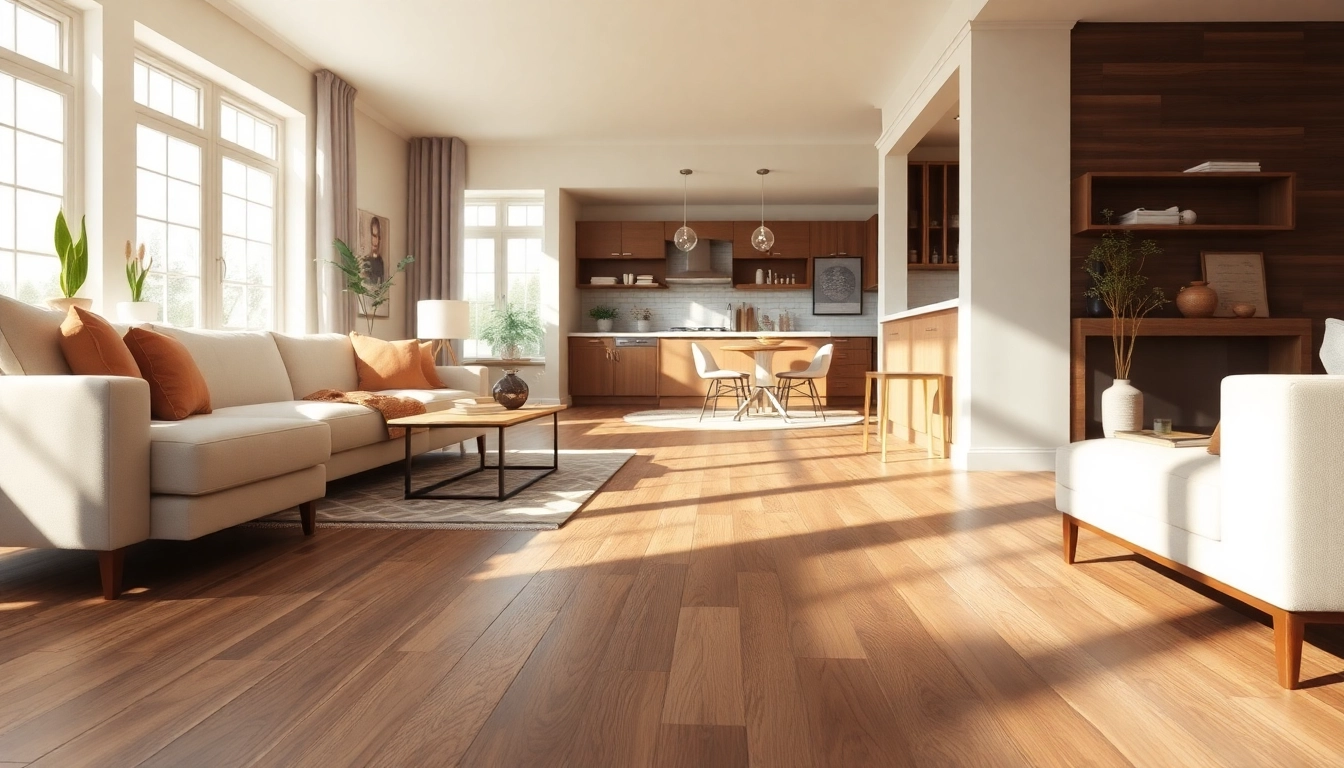
Vinyl plank flooring is a synthetic flooring option designed to mimic the appearance of hardwood or stone. It is made from multiple layers of vinyl, helping it to be durable, waterproof, and easy to maintain. With advancements in technology, today’s vinyl plank flooring is more realistic than ever, featuring textures and finishes that closely resemble natural materials. As homeowners search for affordable yet high-quality alternatives to traditional hardwood, vinyl plank flooring has emerged as a popular choice.
Benefits of Vinyl Plank Flooring
Vinyl plank flooring offers several advantages that make it an appealing option for residential spaces:
- Durability: Vinyl plank flooring is known for its resilience against scratches, dents, and stains, making it suitable for high-traffic areas.
- Waterproof: Unlike traditional hardwood, vinyl plank flooring is 100% waterproof, making it an excellent choice for kitchens and bathrooms.
- Easy Installation: Many vinyl planks feature a click-lock installation system, allowing for a straightforward DIY project.
- Comfort: Vinyl plank flooring is softer underfoot compared to hard surfaces like tile or hardwood, providing comfort when walking.
- Wide Range of Styles: It comes in various colors, patterns, and designs that can match any home decor style.
Types of Vinyl Plank Flooring Options
The two primary types of vinyl plank flooring are:
- Luxury Vinyl Plank (LVP): This type offers a higher quality and durability, often featuring a thicker wear layer for added protection. LVP is ideal for residential and commercial use.
- Standard Vinyl Plank: Typically thinner and less durable, standard vinyl plank flooring is better suited for low-traffic areas or temporary applications.
Choosing the Right Vinyl Plank Flooring for Your Home
Factors to Consider in Vinyl Plank Flooring Selection
Choosing the right vinyl plank flooring for your home involves considering several factors:
- Room Type: Assess the humidity and foot traffic levels; for wet areas like bathrooms, waterproof options are essential.
- Style and Aesthetics: Look for colors and patterns that will enhance the beauty of your home’s interior.
- Thickness and Wear Layer: Thicker planks tend to be more durable; check the wear layer thickness (the higher, the better).
- Installation Method: Decide whether you prefer glue-down, click-lock, or loose lay options based on your DIY skills.
Comparing Different Vinyl Plank Flooring Styles
When comparing vinyl plank flooring styles, homeowners can choose from the following options:
- Wood-Look Vinyl: Mimics various wood species, from oak to cherry, suitable for traditional and modern settings.
- Stone-Look Vinyl: Replicates natural stone appearances like slate or marble, adding elegance to bathrooms and kitchens.
- Patterned Vinyl: Offers various geometric and floral designs, ideal for unique aesthetics in smaller spaces.
How to Match Vinyl Plank Flooring with Home Decor
To create a cohesive look, consider the following tips when matching your vinyl plank flooring with home decor:
- Color Harmony: Choose flooring that complements the existing color palette of your home.
- Contrast with Furniture: Light-colored planks can provide a striking contrast to dark furniture and vice versa.
- Texture Coordination: Pair textured vinyl planks with other materials in your home, such as carpets or curtains, to create visual interest.
Installation Process for Vinyl Plank Flooring
Preparing for Vinyl Plank Flooring Installation
Before installation, proper preparation is crucial to achieving the best results. Follow these steps:
- Ensure subfloor is clean, dry, and level to prevent any issues later.
- Acclimate vinyl planks to the room temperature for at least 48 hours before installation.
- Gather necessary tools, including a utility knife, measuring tape, and spacers for proper fitting.
DIY vs Professional Installation of Vinyl Plank Flooring
Deciding between DIY installation and hiring a professional depends on your comfort level and skills:
- DIY Installation: This is cost-effective and allows for greater flexibility. It’s a manageable project for those with basic handyman skills.
- Professional Installation: If you seek flawless results or lack time, hiring professionals ensures proper fitting and finishing.
Common Mistakes During Vinyl Plank Flooring Installation
Here are common mistakes to avoid during installation:
- Neglecting Subfloor Preparation: Not addressing imperfections can lead to a poor finish.
- Improper Acclimation: Skipping acclimation can cause expansion or contraction after installation.
- Inaccurate Measurements: Failing to measure correctly can result in wasted materials and uneven seams.
Maintenance and Care for Vinyl Plank Flooring
Routine Cleaning for Vinyl Plank Flooring
To maintain your vinyl plank flooring, follow these cleaning tips:
- Sweep or vacuum regularly to remove dirt and debris.
- Use a damp mop and a mild cleaner formulated for vinyl to clean the surface without damaging it.
- Avoid harsh chemicals or abrasive tools that can scratch the finish.
Dealing with Scratches and Dents on Vinyl Plank Flooring
To maintain the appearance of your floors, handle scratches and dents promptly:
- Minor scratches can often be buffed out using a soft cloth.
- For deeper scratches, use a vinyl repair kit that matches the color of your flooring.
- Dents can usually be flattened out with heat from a hairdryer, then weighted down for a few hours.
Long-term Care Tips for Maintaining Vinyl Plank Flooring
For long-lasting vinyl plank flooring, incorporate these care tips:
- Place mats and rugs in high-traffic areas to reduce wear.
- Use furniture pads to prevent scratches from moving furniture.
- If spills occur, clean them immediately to prevent staining or damage.
Frequently Asked Questions About Vinyl Plank Flooring
What is the lifespan of vinyl plank flooring?
Vinyl plank flooring typically lasts 10 to 20 years, depending on quality and maintenance practices employed by the homeowner.
Can vinyl plank flooring be installed in bathrooms?
Yes, vinyl plank flooring is waterproof, making it an ideal choice for bathrooms and areas susceptible to moisture.
Is vinyl plank flooring safe for pets?
Yes, vinyl plank flooring is scratch-resistant and easy to clean, making it pet-friendly for homes with furry family members.
How do I clean vinyl plank flooring?
To clean vinyl plank flooring, use a damp mop with a mild cleaner specifically designed for vinyl to ensure effective cleaning.
Can I install vinyl plank flooring over existing floors?
Yes, vinyl plank flooring can be installed over most existing floors, provided they are level, clean, and free of debris.