
1. Understanding the Modern Steel Mill
1.1 Definition and Functionality
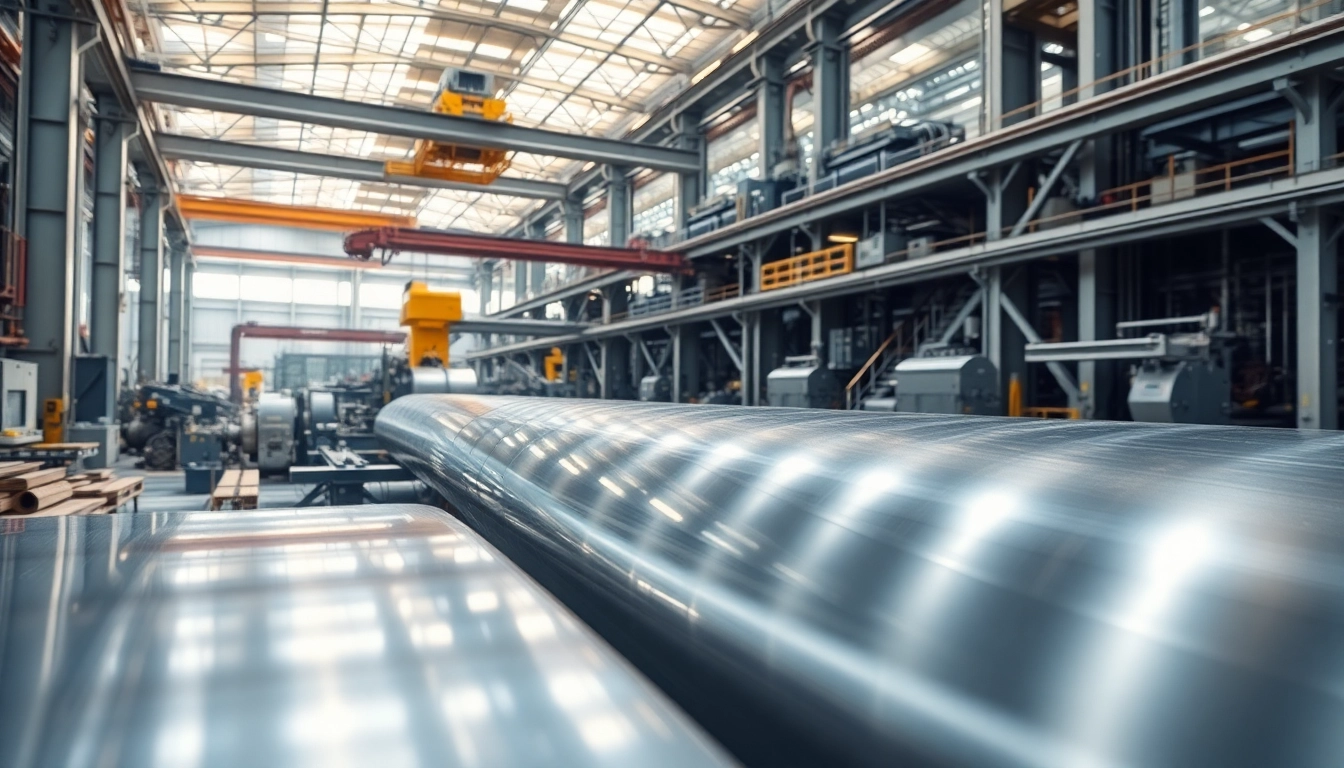
A modern steel mill can be defined as a complex industrial facility where steel is produced from raw materials, primarily iron ore, through a series of processing methods. These mills utilize advanced technology and machinery to transform molten iron into steel products, which can be further fabricated into various forms. The functionality of modern steel mills extends beyond mere production; they are also involved in careful planning, executing specific production schedules, and meeting quality standards defined by industry norms and customer demands.
1.2 Historical Evolution of Steel Production
The historical evolution of steel production can be traced back to ancient civilizations, wherein steel was predominantly wrought manually. However, the industrial revolution introduced significant innovations such as the Bessemer process in the 19th century, which allowed for mass production. The introduction of electric arc furnaces and continuous casting technology further revolutionized steel manufacturing, leading to the efficient and large-scale operations we see in modern steel mills today.
1.3 Key Components of a Modern Steel Mill
Key components of a modern steel mill include iron-making facilities, steel-making furnaces, casting machines, and finishing mills. Iron-making involves smelting iron ore into hot metal or pig iron, while steel-making is performed using methods like basic oxygen process or electric arc furnaces. Once the steel is produced, casting machines mold it into desired shapes. Finally, finishing mills perform operations such as rolling, heat treatment, and surface finishing to prepare the steel for distribution and use.
2. Technology Advancements in Steel Manufacturing
2.1 Automation and Robotics in Steel Mills
Automation and robotics play pivotal roles in modern steel mills by enhancing productivity and safety while decreasing manual labor costs. Automated systems control processes such as material handling, loading, and unloading of raw materials. Robotic arms facilitate precision in welding and assembly tasks, allowing for a significant reduction in errors and waste. This technological leap allows steel mills to operate more efficiently and reliably, thereby increasing output.
2.2 The Role of AI and Data Analysis
Artificial Intelligence (AI) and data analysis have introduced sophisticated means for optimizing production efficiency. By utilizing predictive analytics, steel mills can forecast demand and adjust production schedules accordingly. AI algorithms analyze data from various stages of manufacturing, identifying patterns that reveal opportunities for productivity improvements and cost reductions. Furthermore, data analytics contribute to maintenance strategies, ensuring equipment operates optimally and minimizing downtime.
2.3 Sustainable Practices in Steel Production
Given the environmental challenges faced by the industry, modern steel mills are increasingly adopting sustainable practices. This includes recycling scrap metal in the steel-making process and implementing cleaner technologies that reduce greenhouse gas emissions. Additionally, many mills are investigating renewable energy sources to power operations, demonstrating a commitment to reducing their carbon footprint and promoting sustainable industrial practices in line with global environmental goals.
3. Economic Impact of Modern Steel Mills
3.1 Job Creation and Industry Growth
Modern steel mills play a vital role in economies worldwide, particularly in job creation. The industry supports thousands of direct jobs in production, technology, and management, alongside many secondary jobs in sectors such as logistics and services. This growth contributes to regional economic stability, supporting local communities by fostering industrial development and offering competitive wages to workers in various capacities.
3.2 Supply Chain Dynamics in Steel Industry
The steel industry operates on intricate supply chain dynamics that involve sourcing raw materials, production, and distribution of a wide range of steel products. Modern steel mills often form strategic partnerships across the globe to ensure the steady supply of high-quality raw materials like iron ore and scrap steel. This interconnectedness helps mitigate risks associated with supply disruptions and fluctuating market conditions, allowing for a more resilient manufacturing process.
3.3 Global Market Trends Affecting Steel Production
Several global market trends influence steel production, including the rise of emerging economies that increase demand for construction and infrastructure development. Trade policies and tariffs also play significant roles in shaping market dynamics, impacting supply chain operations and pricing strategies. Furthermore, environmental regulations encourage a shift towards more sustainable practices, compelling modern steel mills to adapt to consumer demands that prioritize eco-friendly products.
4. Challenges Faced by Modern Steel Mills
4.1 Environmental Regulations and Compliance
Modern steel mills are subject to stringent environmental regulations which aim to reduce pollution and promote sustainable practices. Compliance with these regulations can create challenges such as implementing costly new technologies and processes. However, adapting to these regulations can also present opportunities for innovation, as mills seek to improve overall efficiency and reduce their environmental impact. Challenges can be managed through effective planning and investment in cleaner technologies.
4.2 Competition from Alternative Materials
In recent years, the steel industry has faced fierce competition from alternative materials like aluminum and composites. These materials often offer advantages such as lighter weight and corrosion resistance. To combat this competition, modern steel mills must innovate their product offerings and production processes, ensuring steel remains a viable and attractive choice for engineers and manufacturers.
4.3 Resource Scarcity and Cost Management
Resource scarcity, particularly concerning iron ore and energy, poses a significant challenge for modern steel mills. Implementing efficient resource management strategies becomes essential to minimize waste and ensure sustainable sourcing. Techniques such as by-product recovery and recycling scrap metal can lower production costs and reduce reliance on primary resources, thereby enhancing overall operational sustainability.
5. Future of the Modern Steel Mill
5.1 Innovations on the Horizon
The future of modern steel mills is poised for extraordinary innovations. Research and development are paving the way for next-generation technologies, such as hydrogen-based steel-making processes, which promise to reduce carbon emissions drastically. Moreover, advances in digital transformation, including augmented reality and the Internet of Things (IoT), will enhance operational efficiency and safety in steel production.
5.2 Preparing for Market Shifts
To prepare for market shifts, modern steel mills must remain agile and adaptable. This includes closely monitoring global economic trends, technological advancements, and changing consumer preferences related to sustainability. Strategic planning and investments in innovative processes will allow steel mills to pivot quickly in response to evolving market conditions, ensuring long-term viability and competitiveness in the industry.
5.3 Vision for a Sustainable Steel Industry
The vision for a sustainable steel industry involves embracing a circular economy, where steel is not seen as a finite resource but rather as a valuable material that can be reused and recycled. Modern steel mills must prioritize practices that minimize environmental impacts while satisfying the growing demand for sustainable products. Collaboration between industry stakeholders, governments, and communities will be essential in achieving this vision.
FAQs
What are the main processes in a modern steel mill?
The main processes include iron-making, steel-making, casting, and finishing, each essential for transforming raw materials into high-quality steel products.
How has technology impacted steel production?
Technology has improved efficiency, reduced labor costs, and enhanced safety through automation, AI, and data analysis, leading to better operational outcomes.
What challenges does the steel industry face?
Challenges include environmental regulations, competition from alternative materials, and resource scarcity, requiring innovation and strategic resource management.
What trends are shaping the future of steel production?
Key trends include a focus on sustainability, digital transformation, and the development of innovative production technologies like hydrogen-based processes.
Are modern steel mills environmentally friendly?
Modern steel mills are increasingly adopting sustainable practices to reduce emissions and promote recycling, although challenges remain in fully achieving environmental goals.