

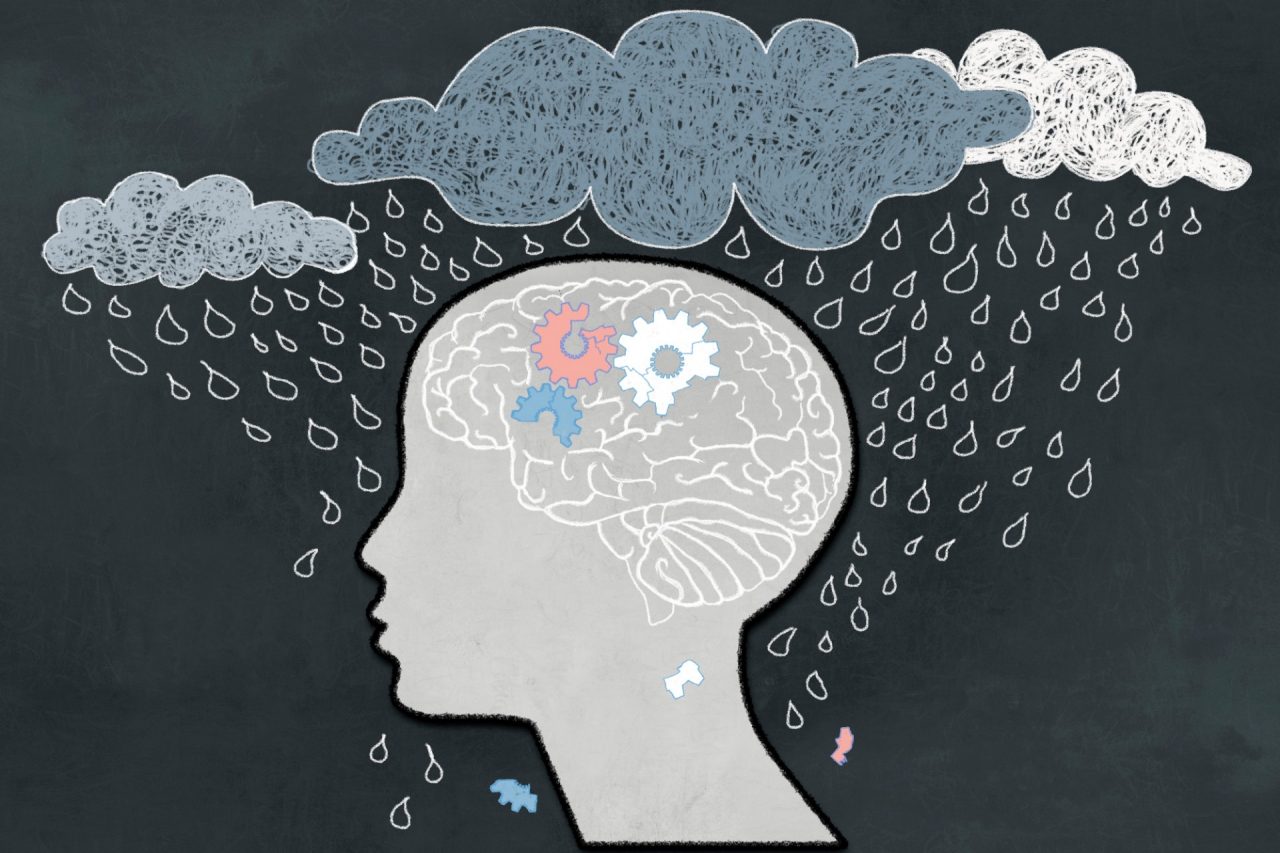
Depression is one of the most common mental health conditions worldwide, affecting millions of people regardless of age, gender, or background. It can severely disrupt daily life, impair productivity, and strain relationships. However, with the right tools, support, and strategies, it is possible to manage and cope with the Depression symptoms effectively. This article will provide a comprehensive guide on how to recognize, manage, and cope with depression symptoms in a healthy and productive way.
Understanding Depression and Its Symptoms
Depression is not just a temporary feeling of sadness. It is a long-lasting mental health disorder that can interfere with emotional, physical, and social well-being. The symptoms of depression can vary widely from person to person, but they typically include persistent feelings of sadness, hopelessness, or emptiness, along with physical symptoms such as fatigue, sleep disturbances, and changes in appetite. Understanding these symptoms is the first step toward managing and coping with depression.
Emotional Symptoms of Depression
The emotional symptoms of depression are often the most apparent and can include:
Persistent Sadness
Unlike normal sadness, which is typically short-lived, the sadness associated with depression is persistent and can last for weeks, months, or even years. People with depression may feel a constant sense of despair or hopelessness that seems impossible to overcome.
Irritability or Anger
Depression often manifests not just as sadness but also irritability or anger. Individuals may become easily upset over trivial matters or feel agitated and frustrated. This can make it difficult for them to interact with others and may lead to increased conflict in relationships.
Loss of Interest
A common symptom of depression is the loss of interest in activities that were once enjoyable. Hobbies, socializing, or even work can become burdensome, and the individual may withdraw or isolate themselves from others. This loss of interest can further exacerbate feelings of loneliness and hopelessness.
Feelings of Worthlessness
Many people with depression experience a significant decline in self-esteem. They may feel worthless, guilty, or like they are a burden to others. These negative self-perceptions can make it harder for individuals to seek help or take steps toward recovery.
Physical Symptoms of Depression
Depression affects not only the mind but also the body. Physical symptoms often accompany emotional distress, making it even harder to manage the condition.
Fatigue and Lack of Energy
One of the most common physical symptoms of depression is fatigue. Even after a full night’s rest, individuals may feel drained and exhausted, with little to no energy to engage in daily activities. This constant exhaustion can make even simple tasks feel overwhelming.
Sleep Disturbances
Depression often disrupts sleep patterns. Some individuals may experience insomnia, unable to fall asleep or stay asleep, while others may oversleep as a way to escape emotional pain. Either way, poor sleep quality can worsen fatigue and emotional distress.
Appetite and Weight Changes
Depression can lead to significant changes in eating habits. Some individuals may lose their appetite and experience weight loss, while others may eat excessively, leading to weight gain. These fluctuations in weight can further affect self-esteem and contribute to feelings of inadequacy.
Physical Aches and Pains
Depression can also manifest as physical pain. Individuals may experience headaches, muscle aches, or digestive issues with no apparent physical cause. These symptoms are often overlooked but can significantly affect a person’s quality of life.

The Importance of Coping Strategies for Depression
Coping with depression is crucial because without effective coping mechanisms, the symptoms can worsen and make it even harder to manage daily life. Coping strategies are ways of managing emotional pain and physical symptoms, helping individuals navigate difficult situations while also taking steps toward healing and recovery. Effective coping strategies can help minimize the impact of depression and improve overall well-being.
The Role of Self-Care
Self-care is an essential component of managing depression. Taking time to care for both physical and emotional needs can provide relief from some of the symptoms of depression. While it may seem difficult, self-care practices help restore a sense of control and can offer emotional respite from the overwhelming feelings caused by depression.
Regular Exercise
Physical activity is one of the most effective ways to improve mental health. Regular exercise can help boost mood by releasing endorphins, which are the body’s natural “feel-good” chemicals. Even light exercise, such as walking or yoga, can make a significant difference in managing depression. The key is consistency, so aiming for at least 30 minutes of exercise a few times a week can have positive effects on emotional well-being.
Healthy Eating Habits
Eating a well-balanced diet is crucial when dealing with depression. Nutrient-dense foods like fruits, vegetables, lean proteins, and whole grains can help improve mood and energy levels. Avoiding processed or sugary foods that can contribute to mood swings and fatigue is also important. Omega-3 fatty acids, found in fish like salmon, have been linked to improved mood regulation and can help combat depressive symptoms.
Getting Enough Sleep
Maintaining a healthy sleep routine is essential for emotional regulation. Sleep disturbances are common in depression, but it is important to create a sleep-friendly environment by sticking to a consistent sleep schedule and avoiding stimulants like caffeine close to bedtime. Aiming for 7-9 hours of quality sleep each night can improve energy levels and emotional stability.
Practicing Relaxation Techniques
Relaxation techniques such as meditation, mindfulness, and deep breathing can help reduce the physical tension and emotional stress caused by depression. These techniques allow individuals to calm their minds, regulate their breathing, and improve their focus. Regular mindfulness practice has been shown to help reduce depression symptoms over time by encouraging individuals to focus on the present moment rather than ruminate on negative thoughts.
Seeking Professional Help
While self-care strategies are effective in managing depression, seeking professional help is often necessary for individuals with moderate to severe depression. Therapy and medication are two primary forms of treatment that can help alleviate symptoms and promote recovery.
Therapy
Cognitive Behavioral Therapy (CBT) is one of the most widely used forms of therapy for depression. CBT helps individuals identify negative thought patterns and replace them with healthier, more realistic ways of thinking. Through CBT, individuals can learn to challenge the negative beliefs that fuel their depression and develop coping strategies to deal with life’s challenges.
Interpersonal Therapy (IPT) is another therapeutic approach that focuses on improving relationships and communication skills. By addressing issues in relationships, IPT can help individuals develop healthier connections and emotional resilience.
Medication
In some cases, antidepressant medication may be prescribed to help manage depression. Antidepressants work by balancing chemicals in the brain that affect mood, such as serotonin and norepinephrine. While medication can be helpful, it is most effective when combined with therapy and lifestyle changes.
It’s important to work with a healthcare provider to find the right medication and dosage for individual needs, as different medications may have varying side effects.
Coping with Depression at Work and School
Depression can affect performance at work or school, making it difficult to focus, meet deadlines, or engage with others. However, there are strategies that individuals can use to cope with depression while managing professional and academic responsibilities.
Create a Routine
One of the most effective ways to manage depression in a work or school environment is to establish a structured routine. Having a set schedule can help individuals stay on track, reduce stress, and provide a sense of accomplishment. Even simple tasks, like creating a to-do list or setting daily goals, can help individuals maintain productivity while managing their mental health.
Communicate with Your Employer or Teachers
If you feel comfortable, consider discussing your mental health with your employer or teachers. Many workplaces and educational institutions have resources in place to support individuals dealing with depression, such as flexible hours, extended deadlines, or counseling services. Open communication can help alleviate stress and create a supportive environment.
Take Breaks and Prioritize Self-Care
In a busy work or school setting, it’s essential to take regular breaks to manage stress and prevent burnout. Short breaks throughout the day allow individuals to recharge, reduce fatigue, and maintain focus. Additionally, making time for self-care activities during free periods can provide much-needed relief from depression symptoms.
The Role of Support Systems
Having a strong support system is essential for coping with depression. Friends, family members, and support groups can provide emotional support, encouragement, and practical assistance.
Support from Friends and Family
Reach out to trusted friends and family members when dealing with depression. Let them know how you are feeling and don’t be afraid to ask for help. Whether it’s asking them to listen, offering a helping hand, or simply spending time with you, the presence of loved ones can provide a sense of comfort and relief.
Joining a Support Group
Support groups can be a valuable resource for individuals with depression. Joining a group of people who are going through similar struggles can create a sense of community and reduce feelings of isolation. Support groups provide a safe space to share experiences, gain insights, and offer encouragement to others.
Conclusion
Coping with the symptoms of depression is not easy, but it is possible. By recognizing the symptoms, practicing self-care, seeking professional help, and relying on support systems, individuals with depression can improve their emotional, physical, and mental well-being. Depression is a manageable condition, and with the right tools, support, and strategies, you can take control of your mental health and lead a fulfilling life. If you or someone you know is struggling with depression, don’t hesitate to seek help and start on the path toward recovery. Return to our main site to explore curated content just for you.
FAQs
What are the most effective ways to cope with depression on a daily basis?
The most effective ways to cope with depression on a daily basis include engaging in regular exercise, maintaining a healthy diet, establishing a consistent sleep routine, practicing mindfulness, and seeking therapy or medication when needed.
Can therapy help me manage my depression symptoms long-term?
Yes, therapy, particularly Cognitive Behavioral Therapy (CBT), has been shown to be effective in managing depression symptoms long-term by helping individuals challenge negative thought patterns and develop healthier coping strategies.
How can I support a loved one who is struggling with depression?
Supporting a loved one with depression involves being patient, offering a listening ear, encouraging them to seek professional help, and offering practical assistance. Let them know that you are there for them and that they are not alone in their struggles.
Contact Us:
Name: Calm Minds Hub
Address: London Eye, Riverside Building, County Hall, Westminster Bridge Rd, London SE1 7PB, United Kingdom
Website: https://calmmindshub.com/