Understanding the Basics of Fly Fishing for Bass
What is Fly Fishing?
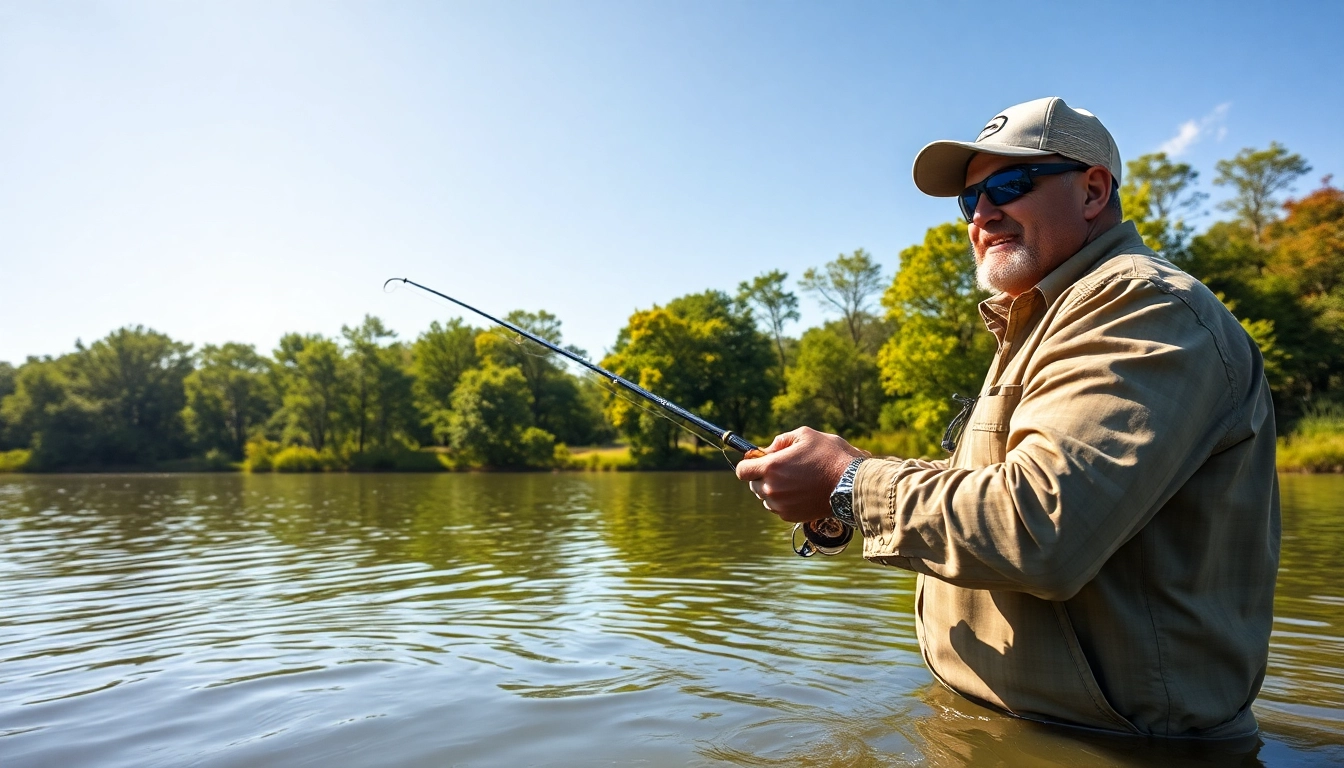
Fly fishing is a unique angling method that utilizes a lightweight lure known as a fly. Unlike traditional fishing methods that rely on heavier weights to cast bait, fly fishing involves casting a specially designed fly with a line that is often heavier than the fly itself. This requires a different skill set, emphasizing the importance of technique and the casting motion. The variety of flies, made to mimic insects, baitfish, or other aquatic life, adds to the complexity and allure of fly fishing.
Why Choose Bass?
Bass, particularly species like the largemouth and smallmouth, are among the most popular targets for fly anglers. They are aggressive feeders, adaptable to various water conditions, and put up an exciting fight. Their willingness to strike a fly makes bass a prime choice for both novice and seasoned fly fishers. Moreover, bass fishing can be done in various environments, from lakes and rivers to ponds and coastal areas, that significantly enrich the fly fishing experience. Engaging in fly fishing for bass promises a thrilling challenge, blending strategy and skill in pursuit of a notable catch.
The Right Gear for Fly Fishing for Bass
Successful fly fishing hinges on having the right gear. Essential components include a fly rod, fly reel, line, and, of course, flies. A standard recommendation for bass fly fishing is a rod ranging from 8 to 10 feet, with a weight of 6 to 9. This setup allows for efficient casting and the strength needed to handle bigger bass. Furthermore, a quality fly reel with adequate backing is crucial; it should be durable enough to withstand the harsh conditions often encountered in freshwater environments. Pairing this with tapered leaders and appropriate tippet material will help ensure that the fly presents naturally in the water.
Essential Techniques for Bass Fly Fishing
Casting Methods to Improve Accuracy
Effective casting is vital in fly fishing for bass. The two primary casting methods are the overhead cast and the roll cast. The overhead cast, or the forward cast, involves casting the line above your head and is the most common method. A strong back cast generates the needed energy for a precise forward cast. On the other hand, the roll cast is a fantastic technique used when there is limited backspace. This method allows you to present the fly quickly and efficiently without needing to lift the line off the water.
Additionally, mastering the double haul technique can significantly increase distance and control, especially when dealing with windy conditions. The double haul adds another pull of the line during both the back and forward cast, allowing for longer, stronger casts.
Reading the Water: Where to Find Bass
Being successful in bass fly fishing also involves understanding the water and the habitats where bass thrive. Look for structures like submerged rocks, logs, and aquatic vegetation as these areas provide excellent ambush points for bass. Early mornings or late evenings are prime times for fishing as bass are more active during these cooler parts of the day. In warmer months, bass may seek deeper waters or shade during the heat of the day, making these observations critical for success.
Water temperature plays a crucial role in determining bass location. During cooler months, bass are often found in shallower waters, whereas in warmer conditions, they retreat deeper. Having a good understanding of seasonal temperature fluctuations can significantly increase your chances of a successful catch.
Choosing the Best Flies for Bass Fishing
Choosing the right fly is a pivotal aspect of successful bass fishing. Streamers and poppers are generally among the most effective flies for bass. Streamers, which imitate baitfish and larger aquatic insects, can attract hungry bass effectively. Poppers mimic the movement of insects on the water's surface, drawing strikes from more aggressive bass. Additionally, the size and color of the fly can influence its effectiveness - larger, brighter flies tend to work well in murky waters, while smaller, more natural-colored flies are often better suited for clearer waters.
Seasonal Strategies for Successful Bass Fly Fishing
Spring Fishing Tips for Bass
Spring marks a time of transition for fish as they move from deeper winter haunts to warmer shallows to spawn. During this time, targeting areas with structure, such as beds and nesting sites, can yield excellent results. Use smaller flies that mimic spawning forage, including minnows and aquatic insects. As the water temperature rises, observe the bass's movement and adapt your techniques accordingly. Early mornings and late evenings remain the best times to fish, as bass are typically more active during these hours.
Summer Strategies for Catching Bass
During summer, bass may retreat to deeper waters or shady areas as the temperature climbs. Focus your efforts on these cooler, shaded spots. Midday can often be less productive, but early mornings and shortly before sunset present great opportunities as bass move to feed. When selecting flies, consider larger patterns that imitate baitfish, and use a slower retrieve to entice lethargic summer bass. Additionally, topwater flies, such as frogs and poppers, can deliver exciting surface action, especially during low light conditions.
Fall Techniques for Fly Fishing for Bass
As autumn approaches, bass become more aggressive in preparation for the winter months. During this time, they will feed heavily and can regularly be found in shallow waters to stock up on calories. The key is to adapt your flies depending on the changing conditions—larger, more colorful flies typically work well as bass are feeding aggressively. During the fall, target areas where baitfish aggregate, such as river mouths and points, to increase your chances of landing a catch. The transition from summer to fall also brings cooler water temperatures, meaning you should pay attention to the time of day, as early mornings and late evenings continue to yield fruitful results.
Common Challenges in Fly Fishing for Bass
Dealing with Weather Conditions
Weather can significantly impact fly fishing success, from changing wind conditions to unpredictable rainfall. Wind, for example, can make casting more challenging but can also help disguise your approach. Learning to adjust your casting technique based on wind direction and speed is essential; for instance, casting slightly upwind helps ensure the fly lands where you want it. Rain, while often seen as less favorable, can be beneficial by cooling surface temperatures and activating fish feeding. Adapting to these conditions is part of the fly angler's skill set.
Overcoming Bass Behavior Fluctuations
Bass behavior can vary significantly depending on environmental conditions and seasonal changes. Understanding their patterns is crucial for success. In colder months, bass tend to be lethargic and look for slower-moving offerings. Conversely, as temperatures rise, they become more aggressive. Thus, having a variety of fly types and knowing when to change your approach is essential. Experiment with fly colors, sizes, and retrieves until you can pinpoint what the bass are responding to on any given day.
Avoiding Common Mistakes in Fly Fishing
Even seasoned fly anglers can fall into common pitfalls. One of the most frequent errors is failing to adapt their strategy as conditions change. Always stay attuned to the environment; if something isn’t working, do not hesitate to try a new location or fly type. Another mistake is neglecting proper tackle care, which can lead to gear failures at critical moments. Regularly inspect your lines, knots, flies, and backing to ensure they are all in top condition, ready for your next fishing adventure.
Enhancing Your Skills and Experience
Joining Fly Fishing Communities
Engaging with fly fishing communities can greatly enhance your skills and knowledge. Local clubs, online forums, and social media groups provide a wealth of information and opportunities to connect with other anglers. Participating in group outings or competitions can be an excellent way to learn new techniques while experiencing different waters and styles of fishing. Embrace these communities; learning from others’ successes and challenges can accelerate your own development as an angler.
Learning from Expert Anglers
Seek mentorship from expert anglers who can share their insights and experiences. Many seasoned fly fishers offer workshops, guided trips, or even comprehensive tutorials. Engaging directly with professionals allows you to gain practical knowledge that books and videos may not convey. Observe their techniques, ask questions, and replicate their strategies in your practice.
Tracking Your Progress and Making Adjustments
To become proficient in fly fishing for bass, it’s important to track your progress. Keep a fishing journal where you document every outing, noting the weather, water conditions, techniques used, and success rates. Review this information regularly to identify patterns and make informed adjustments in your approach. Continuous self-assessment allows you to grow and refine your skills consistently. Consider setting specific goals for your fishing trips to help maintain focus and motivation throughout your learning journey.