

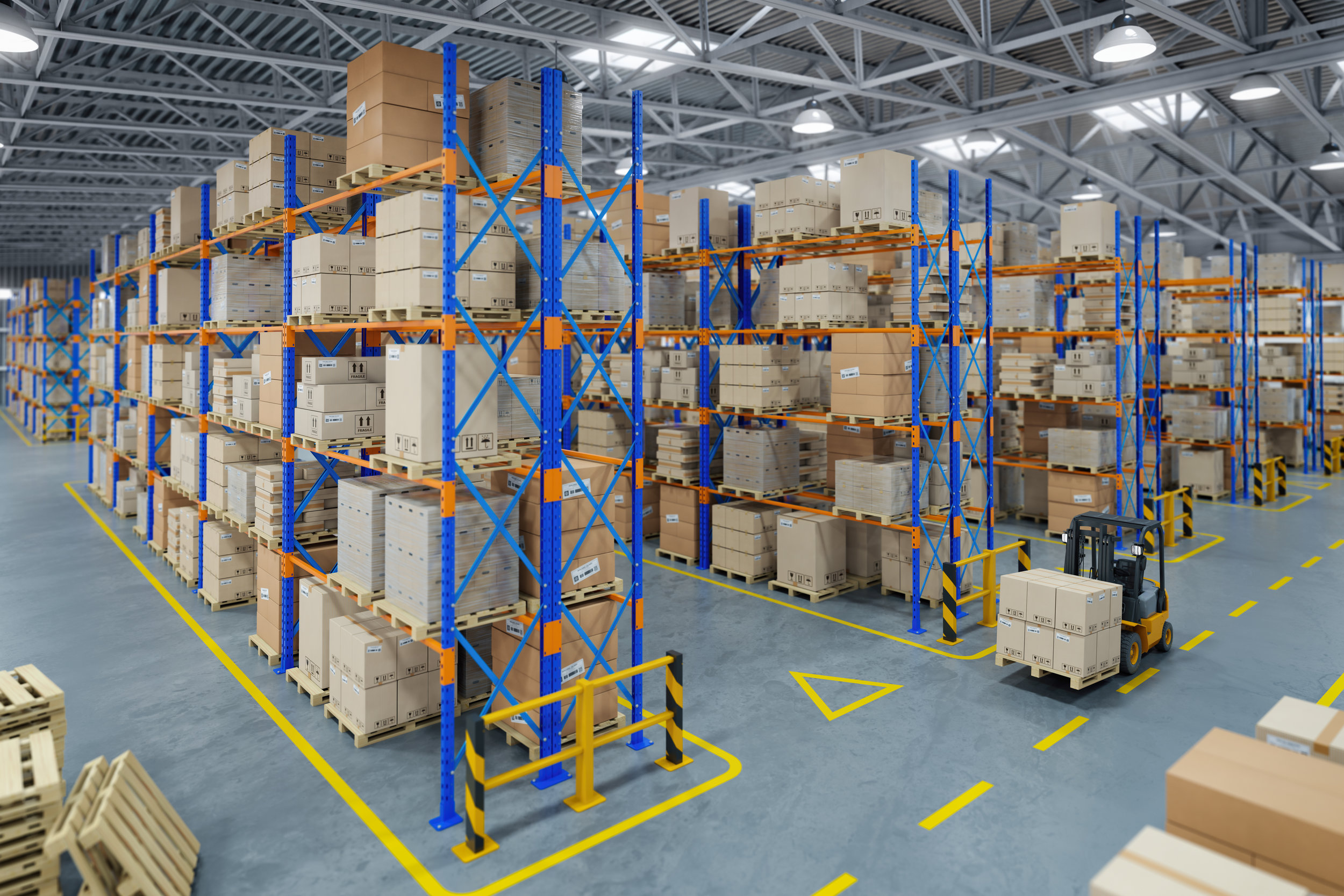
Understanding the Basics of Warehouse Operations
What is a Warehouse and Its Purpose?
A warehouse is a key component in the supply chain, serving as a space for the storage of goods before they are distributed to retailers or customers. This facility allows companies to stockpile products, manage inventory levels, and provide a seamless flow of goods as they move from suppliers to consumers. The primary purpose of a warehouse is to ensure that products are available to meet customer demand while maintaining cost-efficiency.
Essentially, warehouses are a hub of logistics. They facilitate the organization and management of products, playing a vital role for manufacturers, importers, exporters, wholesalers, and transportation companies. A well-managed warehouse optimizes the operational process by reducing unnecessary delays and ensuring that inventory levels are consistently maintained. For a deeper look into warehouse management practices, consider exploring our resource on warehouse logistics.
Types of Warehouses in the Industry
There are various types of warehouses that serve distinct functions, including:
- Public Warehouses: Operated as independent businesses that provide storage space to multiple clients for a fee. Organizations may leverage public warehouses for short-term storage needs or for excess inventory.
- Private Warehouses: Owned and operated by a company to store its products. This option is typically more cost-efficient over time if the firm has substantial inventory levels.
- Distribution Centers: These warehouses are strategically placed to expedite the distribution of goods to retailers, focusing on fast shipment rather than long-term storage.
- Cold Storage Warehouses: Designed for perishable goods, these facilities maintain specific temperatures to ensure products like food and pharmaceuticals remain viable.
- Automated Warehouses: Equipped with advanced technology and robotics, these warehouses can operate with minimal human intervention. They streamline the storage and retrieval process, significantly increasing efficiency.
Key Components of Warehouse Operations
Effective warehouse operations depend on several critical components:
- Inventory Management: This involves tracking product quantities, locations, and movements in real-time, utilizing systems like RFID and barcode scanning for efficiency.
- Warehouse Layout: An optimal layout maximizes space utilization and streamlines workflows, combining elements such as shelving, pallet racks, and aisles.
- Material Handling Equipment: Equipment like forklifts, pallet jacks, and conveyor belts are crucial for moving goods efficiently and safely.
- Technology Integration: Modern warehouses leverage software systems for inventory management, shipping, and order processing to enhance operational efficiency.
- Workforce Management: Proper staffing, training, and employee motivation are essential to meet the demands of warehouse operations effectively.
Best Practices for Warehouse Management
Implementing Effective Inventory Control
Inventory control is the backbone of warehouse management. Proper inventory control ensures that a business maintains an adequate inventory level, minimizing stockouts while preventing excessive stock that could lead to increased carrying costs.
Best practices for effective inventory control include:
- Regular Audits: Conduct periodic audits, such as cycle counting, to ensure physical inventory matches system records.
- Utilizing Inventory Management Software: Implement software that provides real-time insights into stock levels, facilitating better decision-making.
- Setting Reorder Points: Identify and set specific reorder points for various SKUs (Stock Keeping Units) to maintain inventory levels efficiently.
- Effectively Managing Seasonal Trends: Adjust inventory levels according to seasonal demand patterns to optimize storage needs.
Leveraging Technology in Warehouse Management
Adopting technology plays a crucial role in the evolution of warehouse management. Advanced tools and software can facilitate many aspects of warehouse operations, including:
- Warehouse Management Systems (WMS): These systems help oversee all warehouse functions, from inventory tracking to order fulfillment, ensuring strategic control over logistics.
- Automation Tools: Robotic systems can handle repetitive tasks such as picking, packing, and sorting, leading to increased accuracy and labor efficiency.
- Data Analytics: Utilizing data analytics provides insights into inventory trends, labor performance, and operational efficiency, allowing for data-driven decision-making and continuous improvement.
Streamlining Warehouse Workflow and Processes
Optimizing workflow within the warehouse is crucial for enhancing productivity. Key strategies to streamline processes include:
- Mapping and Analyzing Workflow: Regularly evaluate operational flows to identify bottlenecks and areas for improvement.
- Establishing SOPs: Create standard operating procedures (SOPs) for each task to ensure consistency and reliability in operations.
- Flexible Staffing: Employ flexible staffing strategies to meet fluctuating demand, adjusting workforce levels as needed during peak seasons.
- Collaboration with Logistics Partners: Maintain open communication with transportation and supply chain partners to ensure seamless operations.
The Role of Warehouse Layout in Efficiency
Designing an Optimal Warehouse Layout
An efficient warehouse layout can significantly enhance operational productivity by ensuring smooth flows of goods and minimal delays. Factors to consider when designing a layout include:
- Storage Needs: Assess the types and volumes of goods to determine the most suitable storage methods (e.g., racking systems, shelving).
- Receiving and Shipping Areas: Clearly define areas for receiving and shipping to facilitate quick turnaround times and streamline loading processes.
- Aisle Width: Design aisles that accommodate material handling equipment without hindering movement, keeping safety in mind.
Space Utilization Techniques for Warehouses
Maximizing space utilization is a critical aspect of warehouse efficiency. Techniques to enhance space usage include:
- Vertical Storage: Utilize vertical storage solutions such as high-rise racks to maximize the use of vertical space.
- Dynamic Slotting: Analyze and reorganize inventory locations frequently based on demand to reduce travel times and optimize storage.
- Multi-tier Racking Systems: Implement multi-tier racking to increase storage capacity without expanding the warehouse footprint.
Importance of Safety in Warehouse Design
Safety is paramount in warehouse operations. A well-planned layout can minimize hazards and promote safety compliance through:
- Designated Walkways: Clearly marked pedestrian pathways reduce pedestrian-vehicle conflicts.
- Proper Lighting: Ensure adequate lighting in all areas to promote visibility and safety during operations.
- Emergency Exits: Clearly define emergency exits and ensure they are easily accessible to all employees.
Warehouse Staffing and Workforce Management
Finding and Training Warehouse Staff
Hiring and training warehouse staff is a critical component of warehouse operations. Key considerations include:
- Skill Assessment: Evaluate the skills required for specific roles and refine recruitment processes accordingly.
- Onboarding Programs: Implement comprehensive onboarding programs that provide new hires with training on warehouse operations, safety protocols, and equipment handling.
- Continuous Training Opportunities: Offer ongoing training sessions to keep staff updated on new tools, technology, and best practices.
Retention Strategies for Warehouse Employees
Employee retention is essential not only for maintaining a skilled workforce but also for minimizing turnover costs. Retention strategies could include:
- Competitive Compensation: Ensure pay scales are competitive within the industry to attract and keep qualified staff.
- Recognition Programs: Implement recognition programs to foster a positive workplace culture and acknowledge hard work.
- Career Development: Offer professional development opportunities that allow employees to enhance their skills and advance within the organization.
Building a Safety-Conscious Warehouse Culture
Developing a safety-conscious culture starts at the top. Strategies include:
- Leadership Commitment: Ensure that management demonstrates a commitment to safety practices through actions and words.
- Employee Involvement: Engage employees in safety discussions and encourage them to suggest improvements relating to safety policies.
- Regular Safety Training: Schedule regular safety training sessions to reinforce the importance of safe practices across the warehouse.
Evaluating Performance and Metrics in Warehouse Operations
Key Performance Indicators for Warehouse Efficiency
Measuring warehouse efficiency requires periodic evaluation of key performance indicators (KPIs) to assess operational performance. Essential KPIs may include:
- Order Fulfillment Rate: Percent of orders that are fulfilled accurately and on time, reflecting overall operational effectiveness.
- Inventory Turnover Rate: A measure of how often the inventory is sold and replaced over a specific period, indicating inventory efficiency.
- Average Picking Time: Measures the average time taken to pick items for orders, allowing for identification of inefficiencies.
- Handling Costs per Order: Tracks total handling costs divided by the number of orders processed, providing insights into operational cost-effectiveness.
Using Data Analytics in Warehouse Management
In today’s data-driven environment, leveraging data analytics in warehouse management is crucial for optimizing operations. Analytical techniques can reveal valuable insights such as:
- Inventory Patterns: Identifying trends in inventory levels, turnover rates, and forecasting demand to align stock with customer needs.
- Labor Productivity Metrics: Analyzing workforce productivity to assess efficiency and highlight areas for enhancement.
- Operational Bottlenecks: Utilizing data to pinpoint areas of delay or inefficiency in workflows, allowing for targeted improvements.
Continuous Improvement Strategies for Warehouses
Adopting a culture of continuous improvement is crucial for long-term success in warehouse operations. Strategies include:
- Implementing Lean Principles: Adopt lean methodologies to eliminate waste, improve process efficiency, and enhance customer value.
- Regularly Review and Adjust Processes: Continually analyze current systems, processes, and performance metrics to identify opportunities for refinement.
- Employee Feedback: Encourage staff to provide feedback and suggestions on operations, allowing for grassroots-level improvements.