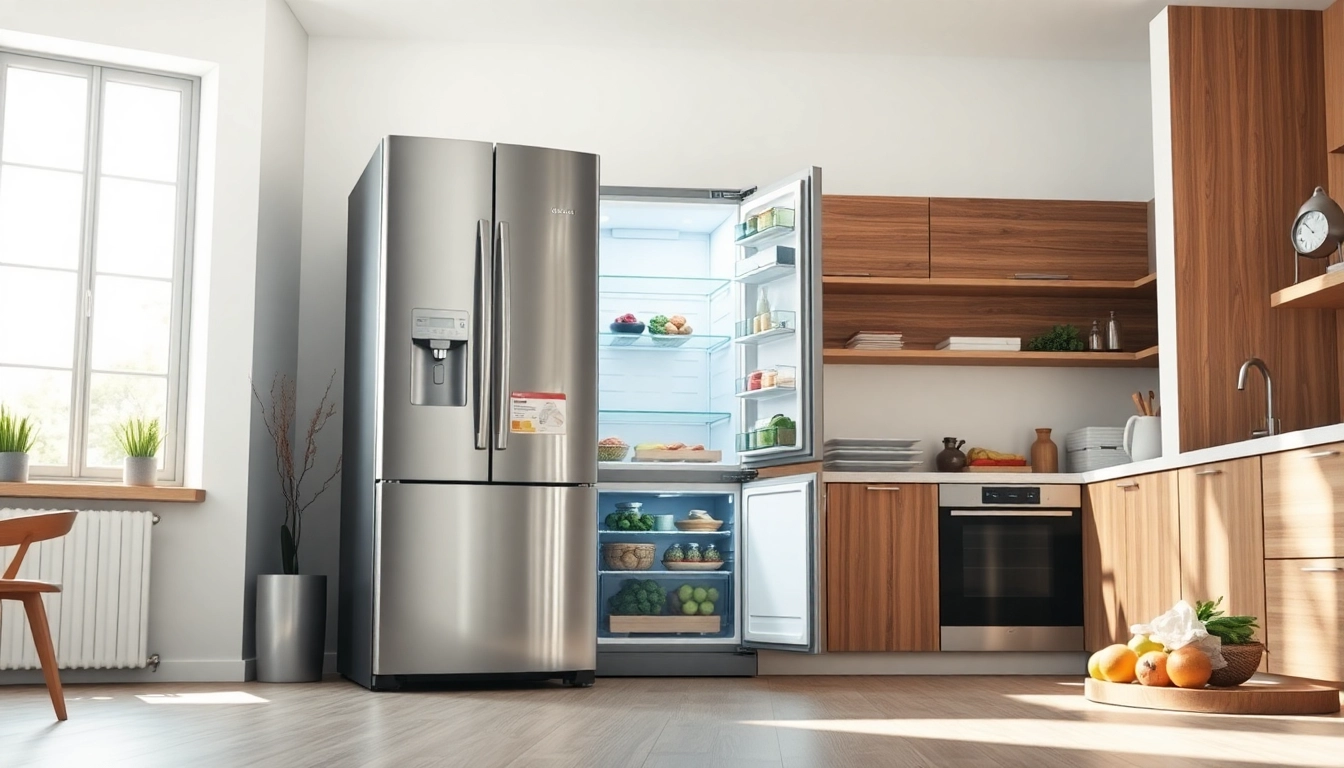
Understanding Refrigerator Sales Trends
The world of refrigerator sales is dynamic, shaped by a plethora of factors ranging from seasonal changes to shifts in consumer behavior. It's essential for both buyers and retailers to understand these trends to maximize purchase satisfaction and sales opportunities alike.
Seasonal Variations in Refrigerator Sales
Refrigerator sales witness significant fluctuations over the year, with certain seasons dominating the market. Typically, the appliance sales surge during holiday seasons like Thanksgiving and Christmas when families prepare for gatherings. Meanwhile, summer months see a boost in sales as people look to replace older units before hosting barbecues or outdoor parties.
Understanding this seasonal pattern can help retailers time their marketing strategies. For instance, launching promotional sales or advertising during these peak seasons can attract more buyers, significantly increasing sales volume.
Consumer Preferences and Buying Behavior
Today's consumers are increasingly informed, with online reviews and comparisons influencing their purchase decisions. Modern buyers prioritize features such as energy efficiency, size, design, and smart technology. For example, many now seek refrigerators with Wi-Fi capabilities that allow them to monitor food freshness via smartphone apps.
Furthermore, brand reputation plays a critical role in buying decisions. Consumers tend to favor well-reviewed models from trusted brands, often conducting thorough research before finalizing their purchase.
Impact of Energy Efficiency on Sales
As consumers become more environmentally conscious, energy efficiency has emerged as a leading factor influencing refrigerator sales. Models that utilize less power often come with Energy Star certifications, attracting buyers aiming to reduce their electricity bills and carbon footprint.
Manufacturers are now focusing on innovation, creating refrigerators that incorporate advanced technology to enhance energy savings. Retailers who highlight these features in their marketing can tap into the growing segment of eco-conscious consumers.
Types of Refrigerators Available in the Market
Top-Freezer vs. Bottom-Freezer Models
One of the first decisions a consumer faces is choosing between top-freezer and bottom-freezer models. Top-freezer refrigerators are traditionally the most common choice. They are often less expensive and offer ample space for fresh food and easy access to frozen items. Conversely, bottom-freezer models are gaining popularity for their ergonomic design, allowing users to access fresh food at eye level. The choice largely depends on space, budget, and personal preference.
French Door and Side-by-Side Refrigerators
French door refrigerators, characterized by their wide doors that open to a spacious interior, are perfect for those who regularly entertain or store large amounts of food. These models often feature extra storage options and sleek designs, appealing to modern aesthetics. Side-by-side refrigerators, which have one vertical section for fresh food and another for frozen items, maximize storage in narrower spaces. They are ideal for consumers who prioritize convenience and accessibility.
Compact and Built-in Refrigerators for Small Spaces
In urban areas, where living spaces are at a premium, compact and built-in refrigerators have become vital. These smaller units can fit in tight spaces like dorm rooms or kitchenettes. They generally do not compromise on essential features and are often equipped to handle modern refrigeration needs without occupying much space. Buyers looking for a compact solution should consider the size, storage capacity, and energy consumption to find the best fit.
Buying Guide for Refrigerator Sales
Key Features to Consider When Buying
When venturing into the market for a new refrigerator, several key features must be evaluated. Firstly, consider the size and capacity of the unit. It's imperative to choose a model that can accommodate your household's needs without overcrowding your space. Secondly, examine the shelves' configuration and whether they can be adjusted to fit various items. Other features like water dispensers, ice-makers, and smart technology can also enhance convenience.
How to Compare Models and Prices Effectively
Comparing models and prices involves taking a systematic approach. Begin by listing down preferred brands and models, then evaluate their specifications based on your needs. Resources like online reviews, consumer reports, and product comparisons can provide substantial insights. Price matching across different retailers can help you find competitive offers, while checking for warranties and after-sales services are also critical to ensure a good value proposition.
Financing Options and Budgeting Tips
Budgeting for a new refrigerator can be daunting, yet financial planning can alleviate this stress. Many retailers offer financing options, such as payment plans or credit deals. It's important to assess these options critically against interest rates and payment terms. Additionally, setting aside a specific budget upfront helps narrow choices to what you're willing to spend, allowing for a more straightforward purchasing experience.
Maintaining Your Refrigerator for Longevity
Routine Maintenance Practices
Proper maintenance is crucial for prolonging the lifespan of a refrigerator. Regular cleaning of condenser coils, which are often located on the back or the bottom of the unit, can significantly enhance efficiency. Additionally, ensuring that door seals are intact will prevent cool air from escaping, reducing energy consumption. Regularly inspecting and replacing water filters will help maintain clean water and ice quality.
Common Refrigerator Issues and How to Address Them
Refrigerators may encounter issues such as unusual noises, leaks, or temperature inconsistencies. For instance, if a refrigerator is not cooling properly, consumers should check for obstructions in the airflow and ensure the thermostat is set correctly. Regular issues like noisy operation might indicate worn-out components that require professional servicing. Understanding these basic troubleshooting steps can save on costly repairs.
Tips for Energy Savings and Efficiency
To optimize energy efficiency, consumers can take simple yet effective measures. Keeping the fridge organized allows for better airflow, which can aid in maintaining the ideal temperature. Setting the refrigerator temperature to 37°F and the freezer to 0°F strikes a balance between freshness and energy savings. Moreover, limiting the frequency of door openings prevents cold air from escaping and reduces the appliance’s workload.
Marketing Strategies for Refrigerator Sales
Online vs. Offline Marketing Techniques
A robust marketing strategy encompasses both online and offline approaches. Online marketing can utilize SEO, pay-per-click advertising, and content marketing to reach broader audiences. Engagement through social media can also create communities that discuss and promote various models. Meanwhile, offline techniques such as local events and print advertisements remain effective in targeting consumers in specific areas.
Leveraging Social Media in Refrigerator Sales
Social media platforms are vital tools for engaging potential customers. Posting interactive content like polls, giveaways, and demonstrations can lead to increased brand awareness. Additionally, sharing customer testimonials and user-generated content fosters community trust and encourages more users to consider making a purchase. Businesses can maximize visibility by utilizing targeted ads on platforms popular with their target demographic.
Email Campaigns Targeting Potential Buyers
Email marketing remains one of the most effective ways to reach customers directly. Detailed newsletters showcasing the latest models, available promotions, and maintenance tips can keep potential buyers engaged. Additionally, personalized follow-up emails after a customer expresses interest can help move them closer to a purchase decision by providing tailored information that meets their specific needs.
Frequently Asked Questions
What size refrigerator do I need?
The size depends on available space and household needs, typically ranging from 10 to 30 cubic feet for an average family.
How often should I clean my refrigerator?
It’s recommended to clean your refrigerator every 3 to 6 months, including vacuuming coils and wiping down surfaces.
Are energy-efficient refrigerators worth the investment?
Yes, energy-efficient models can lead to significant savings on electricity bills over time, often paying for themselves.
How can I troubleshoot a refrigerator that's not cooling?
Check the thermostat settings, ensure door seals are intact, and inspect for blocked vents. Call a technician for major issues.
What is the typical lifespan of a refrigerator?
Most refrigerators last between 10 to 20 years, depending on usage and maintenance practices.