

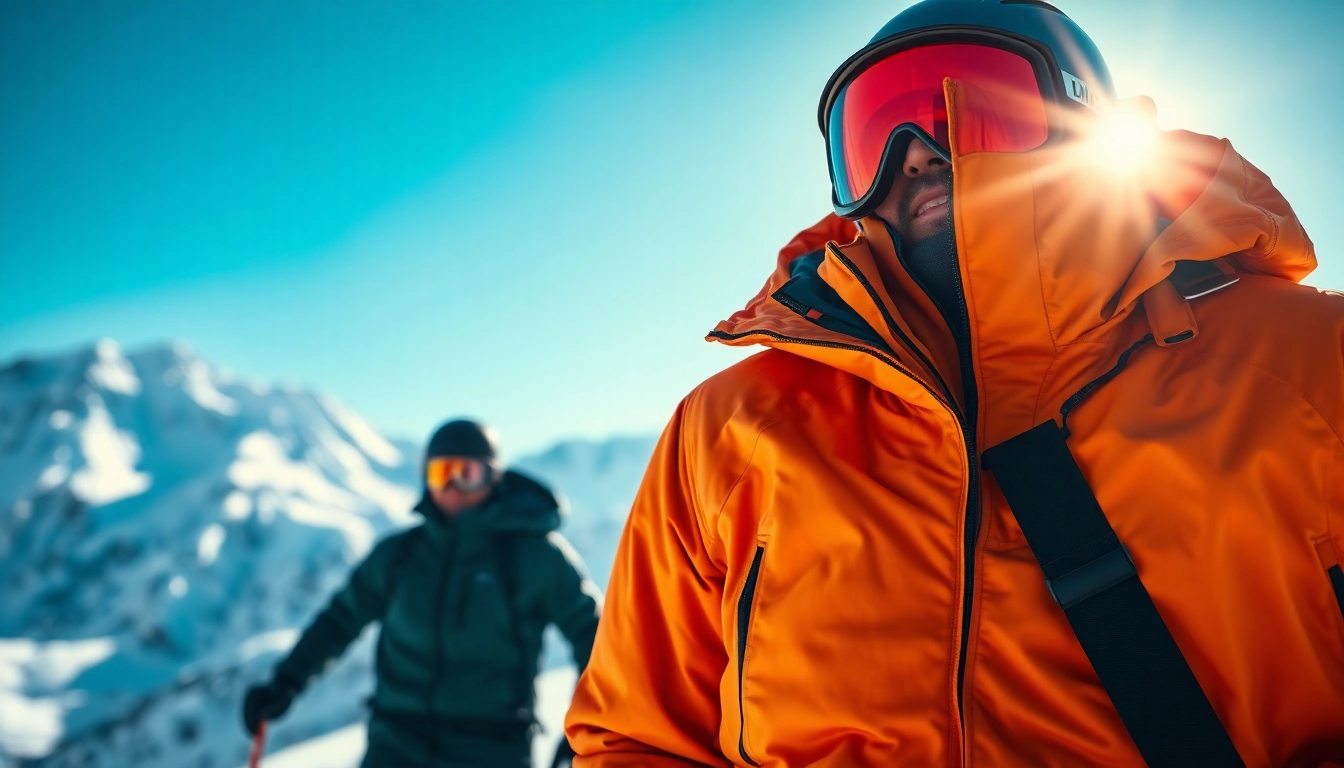
Essential Materials for Jackets Ski
Waterproof Technology
When it comes to jackets ski, waterproof technology is paramount. Skiing in wet conditions can drastically affect comfort and performance; therefore, materials with high waterproof ratings are essential. Common technologies include Gore-Tex, which offers an optimal balance of waterproofness and breathability. Other proprietary membranes, such as eVent and HyVent, also deliver excellent water resistance while allowing sweat to escape from underneath. The effectiveness of these materials is often measured by their hydrostatic head rating, which indicates how much water pressure the fabric can withstand before it starts leaking. A rating above 10,000 mm is generally considered suitable for skiing.
Breathability Components
Equally important is breathability, allowing moisture vapor from perspiration to escape while preventing external moisture from entering. A jacket that lacks breathability can lead to overheating and discomfort during rigorous activities like skiing. Look for jackets featuring fabrics with high moisture-wicking capabilities. Typically, materials with a breathability rating of 10,000 g/m²/24h or higher are preferable for skiing, enabling outdoor enthusiasts to retain comfort in varying conditions.
Insulation Types
Insulation types in jackets ski play a critical role in thermal protection. There are essentially two main types: down insulation and synthetic insulation. Down offers superior warmth-to-weight ratios and compressibility, making it an excellent choice for backcountry skiing. However, it tends to lose its insulating properties when wet. On the other hand, synthetic insulation, such as Primaloft, retains warmth even when damp and dries faster, making it suitable for wet conditions. Understanding the climate and type of skiing you will be doing can guide your insulation choice effectively.
Fit and Comfort in Jackets Ski
Understanding Sizing
Proper sizing is foundational for comfort and performance in jackets ski. When selecting a ski jacket, consider the fit style—most designs feature three categories: slim, regular, and relaxed. Many brands provide detailed sizing charts that incorporate measurements of the chest, waist, and sleeve length, as well as recommendations concerning layering options. Always ensure that both your base and mid-layers are compatible with the outer shell of your jacket.
The Importance of Mobility
Mobility is crucial for skiing, as the sport demands a wide range of motions. A jacket’s design should allow for unrestricted movement. Features such as articulated elbows, stretch fabrics, and mesh-lined underarm vents can enhance mobility while maintaining warmth and comfort. When trying on jackets ski, perform a series of movements—reach overhead, squat, and twist—to evaluate the jacket’s comfort and flexibility.
Layering Considerations
Layering is an indispensable part of skiing, allowing for adaptability to changing weather conditions. Consider a three-layer system: the base layer for moisture-wicking, a mid-layer for insulation, and an outer layer for protection against the elements. When selecting jackets ski, it’s vital to account for the bulk of your mid-layer. Make sure the jacket provides enough room to accommodate layers without compromising mobility or fit.
Design Innovations in Jackets Ski
Aesthetic Trends in Ski Apparel
Recent seasons have seen significant developments in design aesthetics for jackets ski. Bold colors and patterns are becoming increasingly popular, allowing skiers to express their personal style on the slopes. Not just limited to visual appeal, these styles often incorporate safe, reflective fabrics that enhance visibility in low-light conditions. This merging of function and fashion makes today’s ski jackets more than just functional pieces; they are a style statement.
Functional Features (Pockets, Zippers)
The functionality of jackets ski is enhanced through well-designed pockets and zippers. Look for jackets that feature multiple pockets—some designed specifically for ski passes, goggles, or other gear. Waterproof zippers and pocket flaps are essential features to consider, as they help maintain integrity against moisture. Adjustable cuffs and hem zippers can provide custom tailoring for fit and air circulation.
Eco-friendly Options
As sustainability becomes more important, many brands are creating jackets ski using recycled materials and ethical production methods. Options like recycled polyester and organic cotton are increasingly making their way into high-performance gear. Choosing eco-friendly jackets ski not only benefits the environment but can also enhance personal satisfaction and style, knowing that you are doing your part to support sustainable fashion.
Price Ranges and Value for Jackets Ski
Budget-Friendly Choices
When examining jackets ski, affordability does not necessarily equate to lower quality. Several brands offer budget-friendly options that balance cost with features such as water resistance and insulation types. Look for sales during the off-season or consider last season’s models for excellent prices. Investing in a good-quality budget ski jacket can provide satisfactory performance without breaking the bank.
Mid-Range Features
Mid-range jackets ski typically feature enhanced technologies, such as better waterproof ratings, more sophisticated insulation, and additional functional features. These jackets fill the gap between affordability and high performance, making them an ideal choice for recreational skiers looking for durability and comfort. Many mid-range options also offer stylish designs that don’t compromise on function.
Luxury Performance Brands
Luxury brands in the skiing apparel market often focus on high-performance technologies and unique designs made for extreme conditions. Premium jackets ski may incorporate cutting-edge innovations, such as advanced insulation techniques and seamless construction to minimize weight and enhance performance. These brands often cater to professional skiers or sponsors and enthusiasts who demand the utmost quality and style. While the price points are significantly higher, they often deliver unmatched durability and performance.
Maintenance Tips for Your Jackets Ski
Washing Instructions
To maintain the functionality of jackets ski, it’s crucial to adhere to proper washing instructions. Most ski jackets require a cold wash with a gentle detergent. Avoid fabric softeners, as they can degrade waterproof coatings. Follow the manufacturer’s guidelines for drying; many jackets perform best when air-dried or tumble-dried on a low heat setting to preserve the integrity of insulation and materials.
Storage Solutions
How you store your jackets ski during the off-season significantly impacts their longevity. Always hang your jacket on a sturdy hanger in a cool, dry place. Avoid folding it, as this can create creases that damage insulation and fabric properties. If possible, store it in a breathable garment bag to protect it from dust and moisture.
Repairing Common Issues
Over time, jackets ski may develop signs of wear and tear, such as broken zippers, seam leaks, or punctured fabric. Fortunately, many of these issues can be repaired. Replacement zippers and patches are available at most outdoor retailers and can save you the cost of a new jacket. Regular inspections for wear, especially after a long skiing season, can help address issues proactively before they become significant problems.
FAQs
What makes a jacket ski waterproof?
The waterproof rating indicates the material’s resistance to water penetration, ensuring dry comfort on the slopes.
How do I choose the right size for jackets ski?
Refer to the manufacturer’s sizing chart, considering factors like layering and personal comfort preferences.
Can jackets ski be eco-friendly?
Yes, many brands now use recycled materials and sustainable practices in their production of jackets ski.
What types of insulation are best for jackets ski?
Synthetic insulation and down feathers are popular choices, each offering unique warmth and compressibility levels.
How should I clean my jackets ski?
Follow specific washing instructions on the tag, usually cold water and gentle detergent, to maintain functionality.