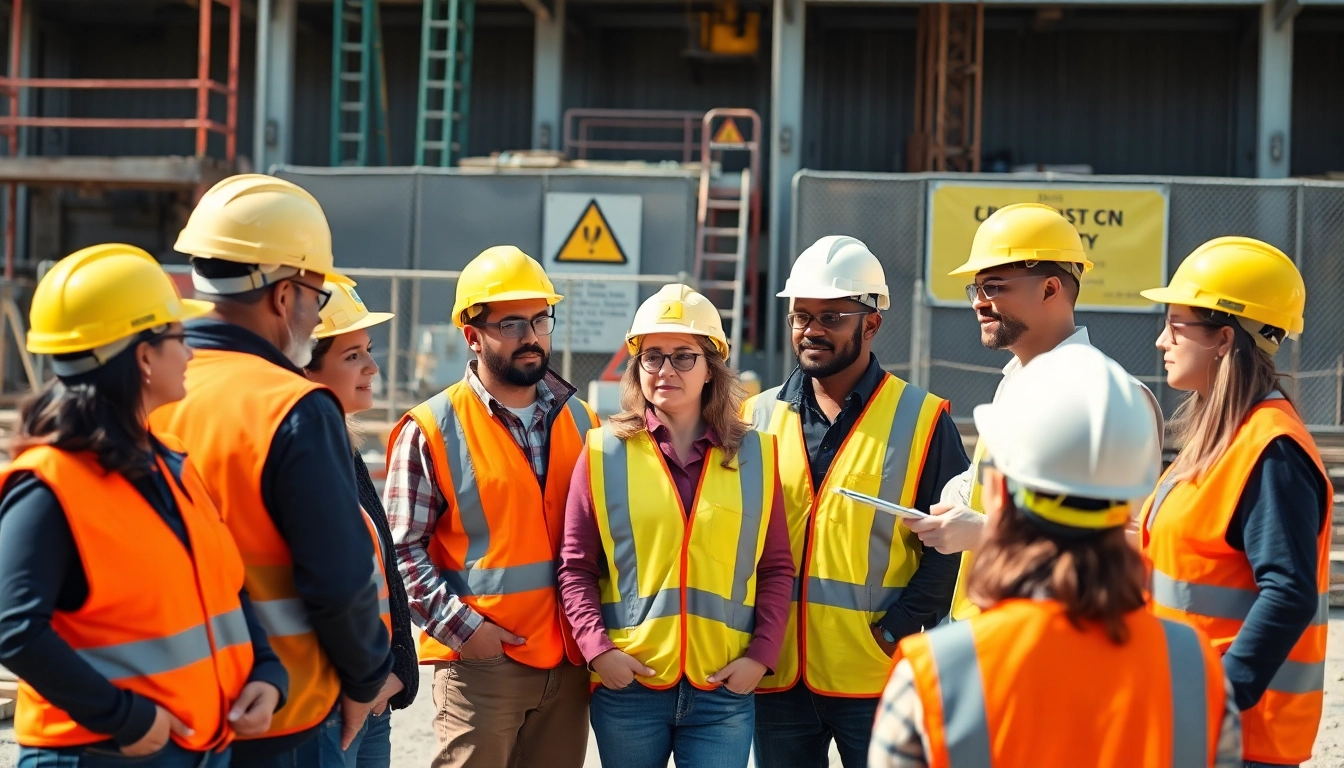
Understanding Physical Hazards
Physical hazards are present in virtually every workplace, often manifesting in ways that can cause injury or damage. Recognizing and managing these hazards is crucial for maintaining a safe and healthy work environment. A physical hazard refers to a type of workplace danger that can cause bodily harm through direct contact or environmental exposure. In this article, we will delve into the definition and types of physical hazards, their significance in a safety culture, ways to identify them, mitigation strategies, training approaches, and methods to measure the effectiveness of these strategies. Understanding these aspects can empower employers and employees alike to foster a safer workplace.
In order to grasp the full scope of this topic, it’s essential to understand that awareness and proactive measures are vital. Effective engagement and education about physical hazards can lead to a significant reduction in workplace incidents, improving overall employee morale and productivity.
Definition and Types of Physical Hazards
Physical hazards are risks that arise from the physical environment in which employees work. They include a variety of dangers that can result in harm, such as:
- Mechanical Hazards: These hazards arise from machinery or moving parts that can cause injuries such as cuts, crushing, or other physical injuries.
- Temperature Extremes: Working in environments that are excessively hot or cold can lead to heat stress or hypothermia.
- Noise Induced Hazards: Exposure to loud noises can result in hearing loss and other related health issues.
- Fall Hazards: Surfaces that are slippery or uneven can increase the risk of falls, leading to serious injuries.
- Electrical Hazards: Inadequate wiring or faulty equipment can result in electric shocks or fires.
- Fire Hazards: Sources of ignition or flammable materials can result in fire outbreaks.
- Environmental Hazards: Issues such as poor ventilation, exposure to harmful substances, or high radiation levels can seriously impact health.
The Importance of Awareness in a Safety Culture
A strong safety culture begins with awareness. Employees must be attuned to the risks they may encounter daily. This awareness can foster proactive behavior towards safety management. When workers understand the risks associated with physical hazards, they are more likely to participate in safety initiatives and report unsafe conditions. Creating a culture of safety encourages open communication, where employees feel comfortable discussing hazards without fear of retribution. Establishing such a culture can lead to a more resilient workforce that prioritizes safety and well-being.
Common Examples of Physical Hazards
Recognizing common physical hazards can significantly reduce workplace incidents. Examples include:
- Wet floors: Often leading to slips and falls, wet areas need appropriate signage and matting to prevent accidents.
- Unsafe scaffolding: Improperly constructed or unstable scaffolds pose a significant risk of falls.
- Tools and Equipment: Lack of proper maintenance can lead to equipment malfunction, which poses various risks.
- Overhead loads: When materials or tools are stored above head height without safeguards, they can fall and cause injury.
Identifying Physical Hazards in Your Environment
Identifying physical hazards in the workplace is the first step towards mitigating their risks. This involves careful evaluation and systematic inspections of the work environment.
Conducting Effective Risk Assessments
Risk assessments are a fundamental process in hazard identification. They involve analyzing the workplace to determine the potential sources of danger. A thorough risk assessment includes:
- Identifying the hazards present in the work environment.
- Assessing the risks associated with each hazard.
- Implementing control measures to mitigate those risks.
- Reviewing and updating the risk assessment regularly.
It is crucial for employers to actively involve employees in this process since they often have firsthand experience with potential hazards.
Tools and Techniques for Hazard Identification
Utilizing specific tools can greatly facilitate hazard identification. Common tools and techniques include:
- Checklists: These can assist in systematically assessing work areas.
- Inspections: Regular safety inspections can help spot new and unaddressed hazards.
- Incident Reports: Analyzing past incidents can uncover underlying hazards that need to be addressed.
- Employee Surveys and Feedback: Engaging employees in reporting their experiences can uncover hazards that management may overlook.
Involving Employees in the Identification Process
Employee engagement in hazard identification is a vital component of workplace safety. When employees are involved, they are more likely to remain vigilant and conscientious about safety measures. Strategies to involve employees include:
- Creating safety committees that include diverse employee representatives.
- Encouraging anonymous reporting of safety concerns.
- Organizing safety meetings where employees can share their observations and suggestions.
Mitigation Strategies for Physical Hazards
Once hazards have been identified, it is essential to implement effective mitigation strategies. This can significantly minimize risks and create a safer working environment.
Engineering Controls and Their Effectiveness
Engineering controls involve designing or modifying equipment, processes, or environments to eliminate or reduce exposure to hazards. Effective engineering controls include:
- Machine Guards: Installing guards on machinery can prevent accidental contact with moving parts.
- Ventilation Systems: Proper ventilation can reduce exposure to harmful dust, fumes, or gases.
- Ergonomic Designs: Assessing and designing workstations to promote proper posture can help prevent musculoskeletal injuries.
While engineering controls are among the most effective methods for reducing exposure, they should be complemented by other strategies.
Administrative Controls That Enhance Safety
Administrative controls are procedures and policies intended to enhance safety. These can include:
- Workplace Policies: Establishing clear guidelines for safe work practices can help mitigate risks.
- Shift Rotations: Rotating job tasks can minimize the risk of repetitive strain injuries.
- Regular Training: Implementing training sessions on safety protocols keeps employees informed about risks and safe practices.
Personal Protective Equipment (PPE) Necessities
While engineering and administrative controls are imperative, they may not completely eliminate hazards. In such cases, personal protective equipment (PPE) serves as the last line of defense. Essential PPE includes:
- Helmets: Protect against head injuries from falling objects.
- Gloves: Shield hands from cuts, abrasion, and chemical exposure.
- Eye Protection: Safety goggles can prevent eye injuries from chemicals or flying objects.
- Hearing Protection: Earplugs or earmuffs are necessary in noisy environments.
Training and Education on Physical Hazard Awareness
Training and education are fundamental elements in building a safety-oriented workforce. Educating employees about physical hazards enhances their ability to recognize and respond appropriately to potential dangers.
Designing Effective Safety Training Programs
When developing safety training programs, organizations must ensure they are comprehensive and engaging. Effective training programs should:
- Include practical demonstrations and hands-on experiences.
- Be tailored to the specific workplace and its hazards.
- Utilize multimedia tools to enhance learning.
- Be regularly updated to reflect any changes in policies or equipment.
Incorporating Hazard Recognition into Daily Practices
Integrating hazard recognition practices into daily routines helps reinforce safety awareness. Strategies to incorporate this include:
- Daily safety briefings or huddles to discuss potential hazards for the day.
- Encouraging employees to conduct self-assessments of their workstations.
- Promoting a culture where employees routinely inspect their areas for known hazards.
Evaluating Training Effectiveness and Retention
To ensure training programs are effective, organizations need to evaluate their impact on safety. Effective evaluation techniques include:
- Conducting follow-up quizzes or assessments to measure knowledge retention.
- Tracking workplace incidents to determine if there is a decrease post-training.
- Soliciting feedback from employees about the training’s relevance and applicability.
Measuring the Impact of Hazard Mitigation Efforts
Effective measurement of hazard mitigation efforts is essential for ongoing safety improvements. This involves tracking key performance indicators and continuous assessment.
Key Performance Indicators for Safety Success
Establishing KPIs allows organizations to objectively measure safety performance. Key indicators can include:
- Incident frequency rates: Measuring the number of incidents per number of hours worked.
- Reportable injuries: Tracking serious injuries requiring medical attention.
- Training completion rates: Monitoring how many employees complete safety training on time.
- Near-miss reports: Encouraging reporting of near-miss incidents to identify potential hazards.
Continuous Improvement Strategies for Safety Programs
Continual improvement is at the heart of an effective safety program. Strategies for continuous improvement include:
- Regularly reviewing and updating safety policies to align with best practices and regulations.
- Encouraging a culture of safety where employees can suggest improvements.
- Utilizing technology and software tools for data analysis and tracking safety metrics.
Case Studies: Successful Hazard Interventions
Learning from successful hazard interventions is valuable for implementing best practices. Case studies demonstrate how organizations have effectively mitigated risks:
For example, a manufacturing company that faced high rates of machine-related injuries conducted a thorough risk assessment, leading to the installation of comprehensive machine guards and enhanced training on safe machine operation. As a result, the company saw a 40% reduction in injuries over the course of a year, showcasing the effectiveness of proactive safety strategies.
Another example is a construction company that implemented a fall-protection program following an audit revealing multiple fall hazards on job sites. By providing harnesses, safety nets, and training, the company reduced fall-related incidents by over 60% within six months.