
Understanding the Basics of Movin and Groovin
What is Movin and Groovin?
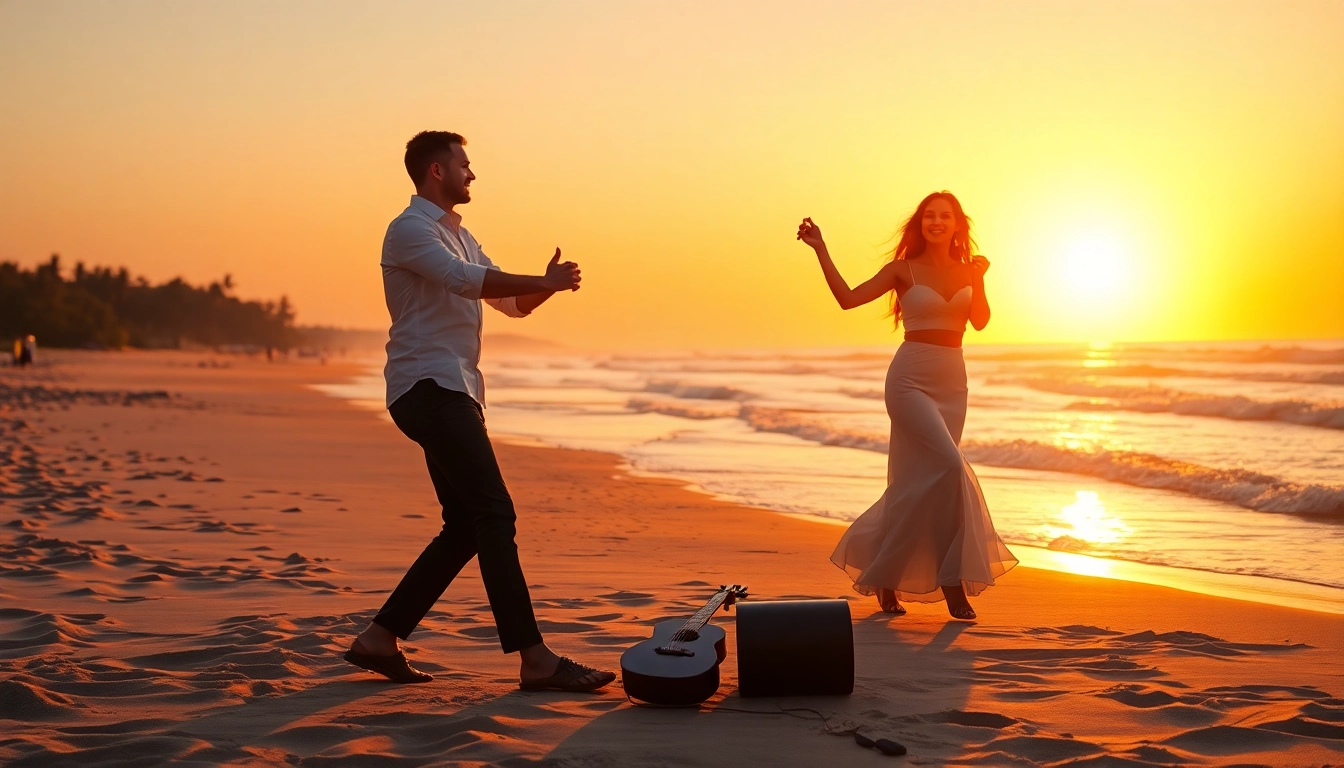
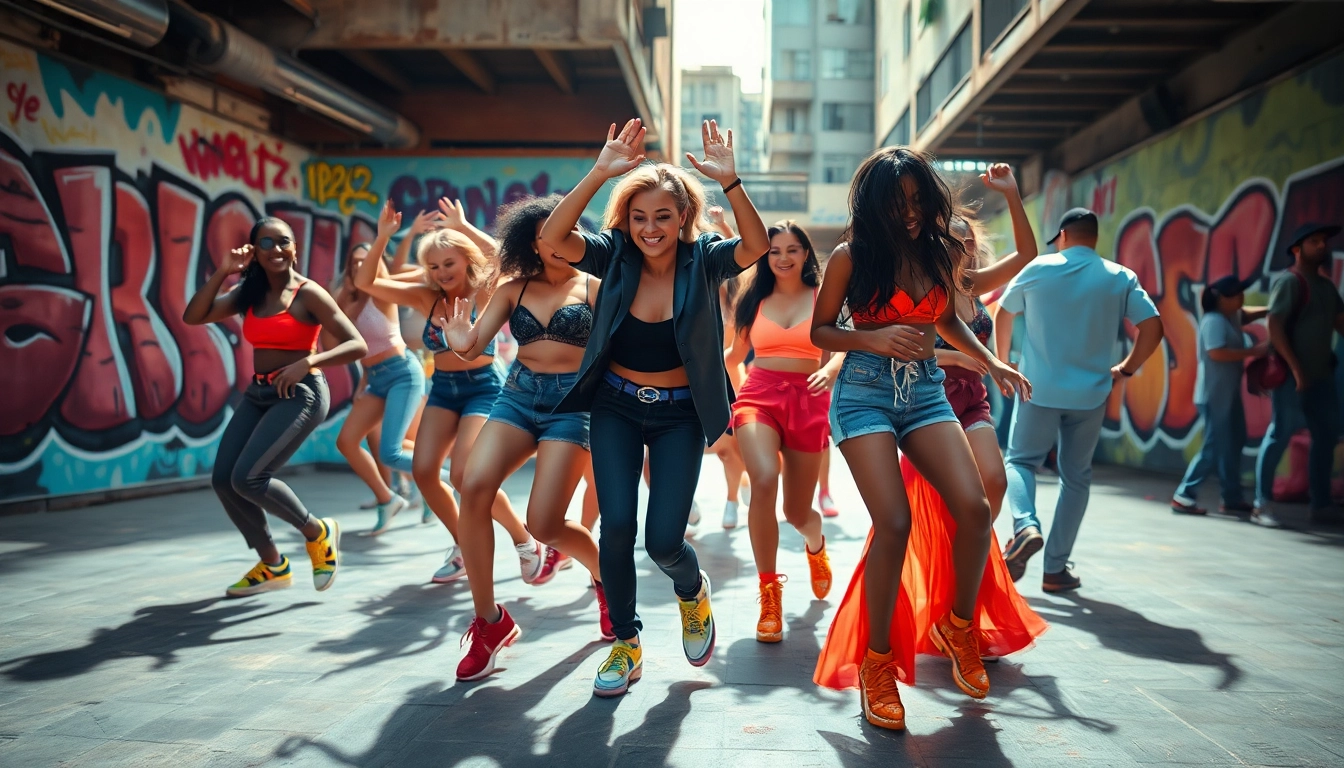
Movin and groovin is more than just a catchy phrase; it encompasses the joy, creativity, and physical activity experienced through dance and movement. Whether one is busting a move on the dance floor or engaging in simple rhythmic exercises, this concept promotes an active lifestyle filled with fun. By recognizing the significance of such movement practices, individuals can enhance their overall well-being. A vibrant community surrounds movin and groovin, fostering connections and shared experiences through dance. The essence of moving and grooving lies in the expression of self through physical engagement that lifts our spirits while keeping us healthy.
The Importance of Dance in Physical Health
Dance is an effective form of physical exercise, encompassing various styles that cater to different fitness levels and preferences. It aids in cardiovascular health by improving heart and lung functions, increasing endurance, and enhancing circulation. In addition to its physical health benefits, dance also plays a crucial role in maintaining mental health. Engaging in rhythmic movement has been scientifically proven to reduce anxiety and depression, promote positive thinking, and induce feelings of joy and satisfaction.
History of Dance Styles
The history of dance is as diverse as its forms. From the traditional dances that encapsulate cultural heritage to the contemporary styles emerging from urban settings, dance has evolved significantly over centuries. Each style, whether it’s ballet, hip-hop, or salsa, carries its unique story and emotional connection, reflecting the era and society from which it emerged. Educating oneself about these backgrounds can deepen the appreciation of how different dance forms contribute to personal and communal expression.
Types of Movin and Groovin
Common Dance Styles to Try
There’s a world of dance styles waiting to be explored. Some popular genres include:
- Ballet: Known for its grace and precision, ballet promotes flexibility, strength, and body awareness.
- Hip-Hop: An energetic style that focuses on creativity and improvisation, often seen in competitive dance battles.
- Salsa: A vibrant partner dance originating from Latin America, emphasizing rhythm and connection.
- Zumba: A dynamic fitness program that combines dance and aerobic elements to upbeat music.
- Contemporary: A versatile style that blends elements of various dance forms, emphasizing expression and emotional connection.
Dance Genres Around the World
Exploring global dance genres can enrich one’s understanding of culture and community. For instance, traditional Asian dances showcase elaborate costumes and storytelling, while African dances emphasize community and rhythm. Each region contributes uniquely shaped dance styles that reflect its people, customs, and beliefs. Participating in these diverse dances can foster appreciation for cultural differences while promoting a sense of inclusivity.
Benefits of Different Dance Forms
Each dance form comes with its unique benefits. For example:
- Ballet: Develops discipline and promotes strong posture and core strength.
- Hip-Hop: Encourages self-expression and creativity while improving agility.
- Salsa: Enhances social skills and coordination.
- Zumba: Provides a fun way to burn calories and improve cardiovascular health.
- Contemporary: Offers freedom to explore emotions and develop a personal dance style.
How to Get Started with Movin and Groovin
Choosing the Right Style for You
Understanding personal preferences is crucial when embarking on a dance journey. Factors include physical fitness, musical tastes, and desired social interaction levels. Trying out various styles through classes or online tutorials can help identify what resonates best with you.
Finding Classes and Resources
Locate dance classes in your area through community centers, dance studios, and online platforms. Many offer introductory sessions or free trials, giving newcomers the chance to explore different styles without a financial commitment. Additionally, various online resources, tutorials, and dance videos provide excellent opportunities for self-study.
How to Prepare for Your First Dance Session
Preparation is key to enjoying your first dance class. Wear comfortable clothing that allows freedom of movement, and don’t forget to bring water to stay hydrated. Arriving early can help alleviate pre-class nerves, allowing you to familiarize yourself with the space and socialize with other participants.
Movin and Groovin: Tips for Practice and Performance
Building Your Confidence
Confidence in dance comes with practice and self-acceptance. Celebrate small victories, such as mastering a new move or rhythm, and allow yourself to enjoy the process without fear of judgment. Joining a supportive community can further bolster confidence by fostering encouragement and camaraderie.
Practicing at Home vs. In Class
Each practice environment has its benefits. Home practice allows for freedom and experimentation, while class settings provide structured guidance and feedback from instructors. A balanced approach—practicing both at home and in class—will enhance growth and skill retention.
Using Music for Inspiration
Music is a powerful motivator in dance. Create playlists that resonate with your personal taste and energize your practice sessions. Explore various genres to discover new rhythms and beats that inspire movement and creativity in your dance journey.
Frequently Asked Questions about Movin and Groovin
What are the health benefits of dancing?
Dancing improves cardiovascular health, enhances coordination, increases strength, and boosts mental well-being by reducing stress and anxiety.
How do I choose the right dance style for me?
Evaluate your interests in terms of music, physical activity levels, social engagement, and personal expression to find a dance style that resonates with you.
Can I start dancing without any prior experience?
Absolutely! Many classes cater to beginners, providing a welcoming and supportive environment for everyone to learn and grow.
What should I wear for my first dance class?
Opt for comfortable, breathable clothing that allows freedom of movement and non-slip dance shoes or bare feet, depending on the class type.
How can I improve my dancing skills?
Regular practice, seeking constructive feedback, attending classes, and watching tutorials can help refine your skills and boost your confidence.